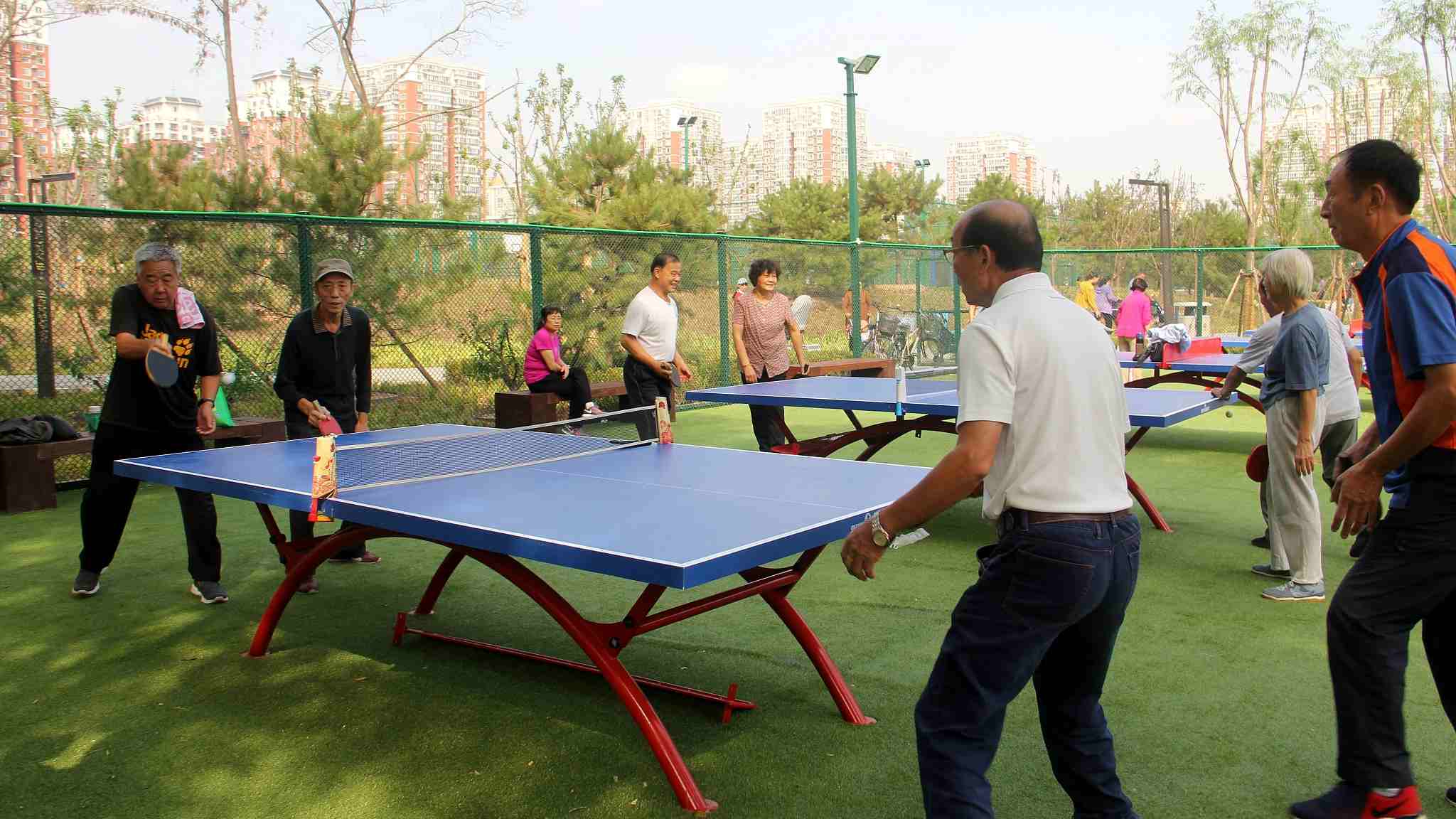
The world's population is ageing fast, prompting nightmare scenarios about pension funds being depleted, retirement ages going up drastically and millions of elderly becoming a burden to society.
But what if it wasn't so?
Even though people live longer after retirement, they are also leading healthier, more active lives in old age. Society should harness this energy, researchers say.
Staying active and engaged
Last year, about 962 million people - or 13 percent of the world's population - were aged 60 or older, according to UN data. This is expected to go up to 2.1 billion (21 percent) by 2050, and 3.1 billion (28 percent) by 2100.
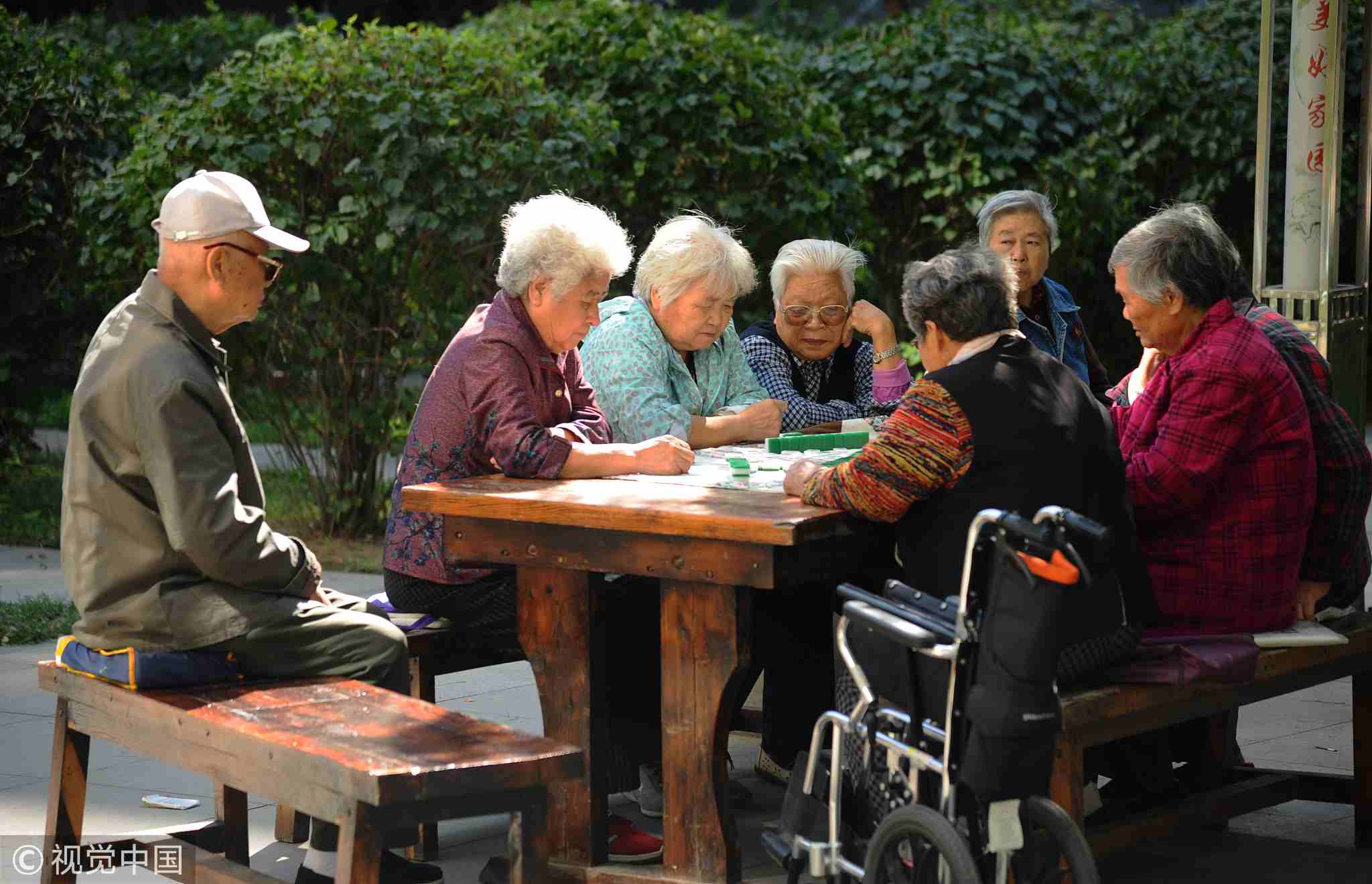
A group of elderly Chinese play mahjong in Shenyang, northeast China's Liaoning Province, September 22, 2018. /VCG Photo
A group of elderly Chinese play mahjong in Shenyang, northeast China's Liaoning Province, September 22, 2018. /VCG Photo
But just because people have reached a milestone or entered retirement does not mean they can no longer contribute to society.
Asghar Zaidi of the London School of Economics (LSE) and Seoul National University, developed the Active Ageing Index (AAI) precisely for this reason, measuring things like employment, voluntary work, physical exercise, financial independence and participation in community activities.
"We have to move away from this old-fashioned thinking that older people are dependent," he told CGTN after presenting his new AAI for China ahead of the International Day of Older Persons on October 1.
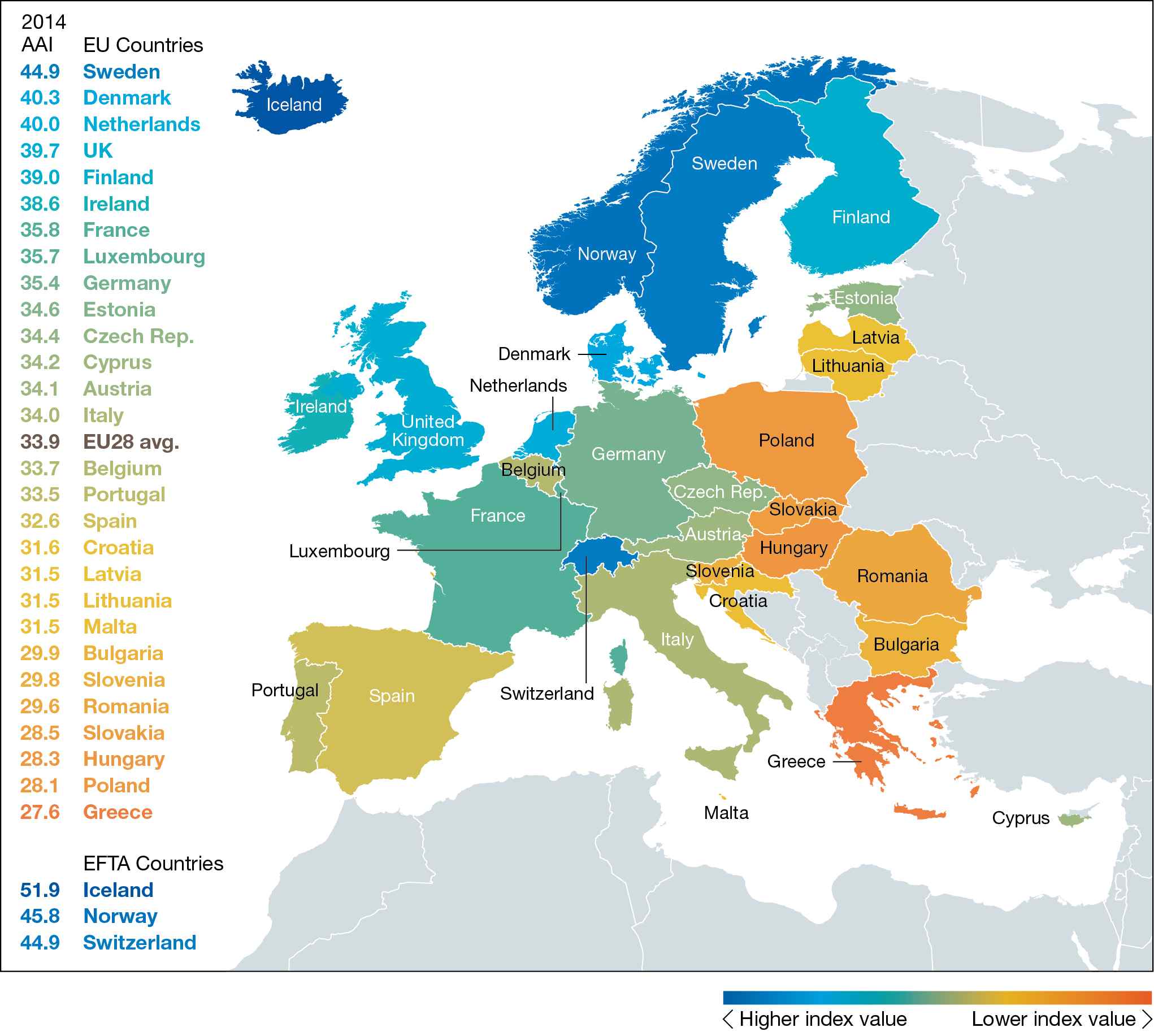
Active Ageing Index for Europe, drawn from Zaidi and Stanton (2015), 'The Analytical Report', UNECE/EC. /Graphic courtesy of Asghar Zaidi
Active Ageing Index for Europe, drawn from Zaidi and Stanton (2015), 'The Analytical Report', UNECE/EC. /Graphic courtesy of Asghar Zaidi
"Many countries are still living in that world where people reach 60 or 65 and they cannot do anything beyond that age... Whereas now we see people are productive and active for a much longer time."
Not just about work
Even caring for grandchildren or enrolling in training courses can make a difference.
"Active ageing is not just about employment, it is a much broader sense of being active and engaged and being a full member of the society... by providing care, voluntary services, lifelong learning," Zaidi said, speaking on the margins of an EU-China conference on population ageing in Beijing.
"And if you are not willing to do any of that, just being self-reliant and independent is another form of active ageing."

Senior citizens demand better pensions from the government at a demonstration in Madrid, Spain, September 26, 2018. /VCG Photo
Senior citizens demand better pensions from the government at a demonstration in Madrid, Spain, September 26, 2018. /VCG Photo
But society needs to help too, by empowering people and providing the right environment for them to get involved.
This is where the AAI comes in: by highlighting policy priorities and pointing to areas where countries should bring in reforms, Zaidi argues.
The Active Ageing Index
His first AAI focused on the EU and unsurprisingly, Sweden, Denmark, the Netherlands and Finland got high marks, while central and eastern European countries like Hungary, Slovakia, Poland and Greece came in last.
The reaction was swift and several countries embarked on reforms in a bid to boost their score.
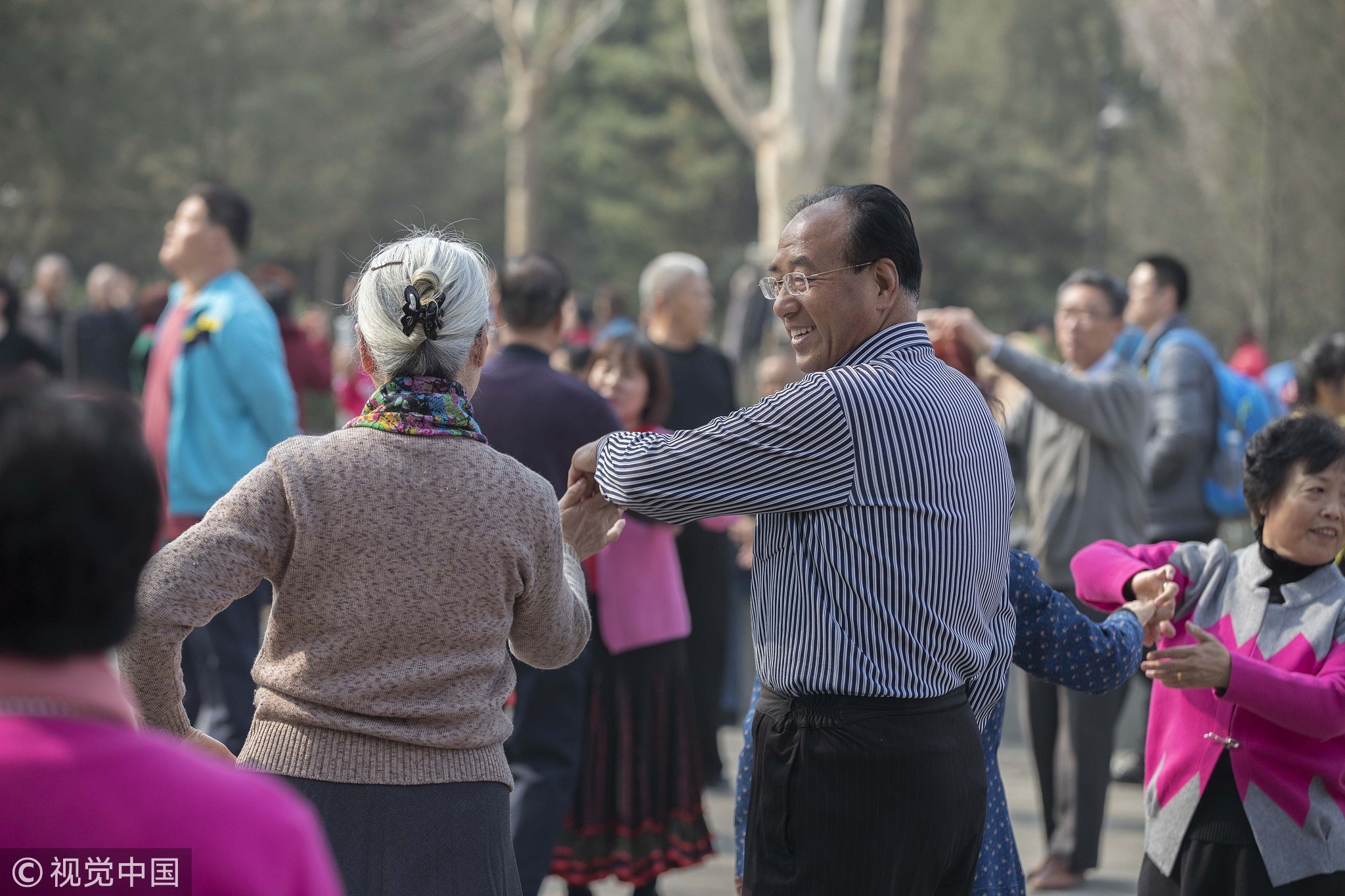
Elderly dancers perform in Baihua Park, Jinan City, Shandong Province, March 19, 2017. /VCG Photo
Elderly dancers perform in Baihua Park, Jinan City, Shandong Province, March 19, 2017. /VCG Photo
Now Zaidi is hoping to start talks with policymakers in China based on his findings here.
If included in the EU table, China would have come in seventh, scoring especially high on employment for older people and physical fitness. Indeed, visit a park on any given day and you will see pensioners exercising, dancing and showing off their diabolo skills.
Where there is room for improvement is in areas like pension income, independent living and lifelong learning, according to Zaidi.
Adjusting policy
But his study - looking at China as a whole - is just the start.
"What would be very interesting - and we have the data for that - is to be able to compare east with west, or some of the provinces, see how they fare in comparison to each other and whether there are certain practices, certain policies at the local level that can be replicated in other provinces."
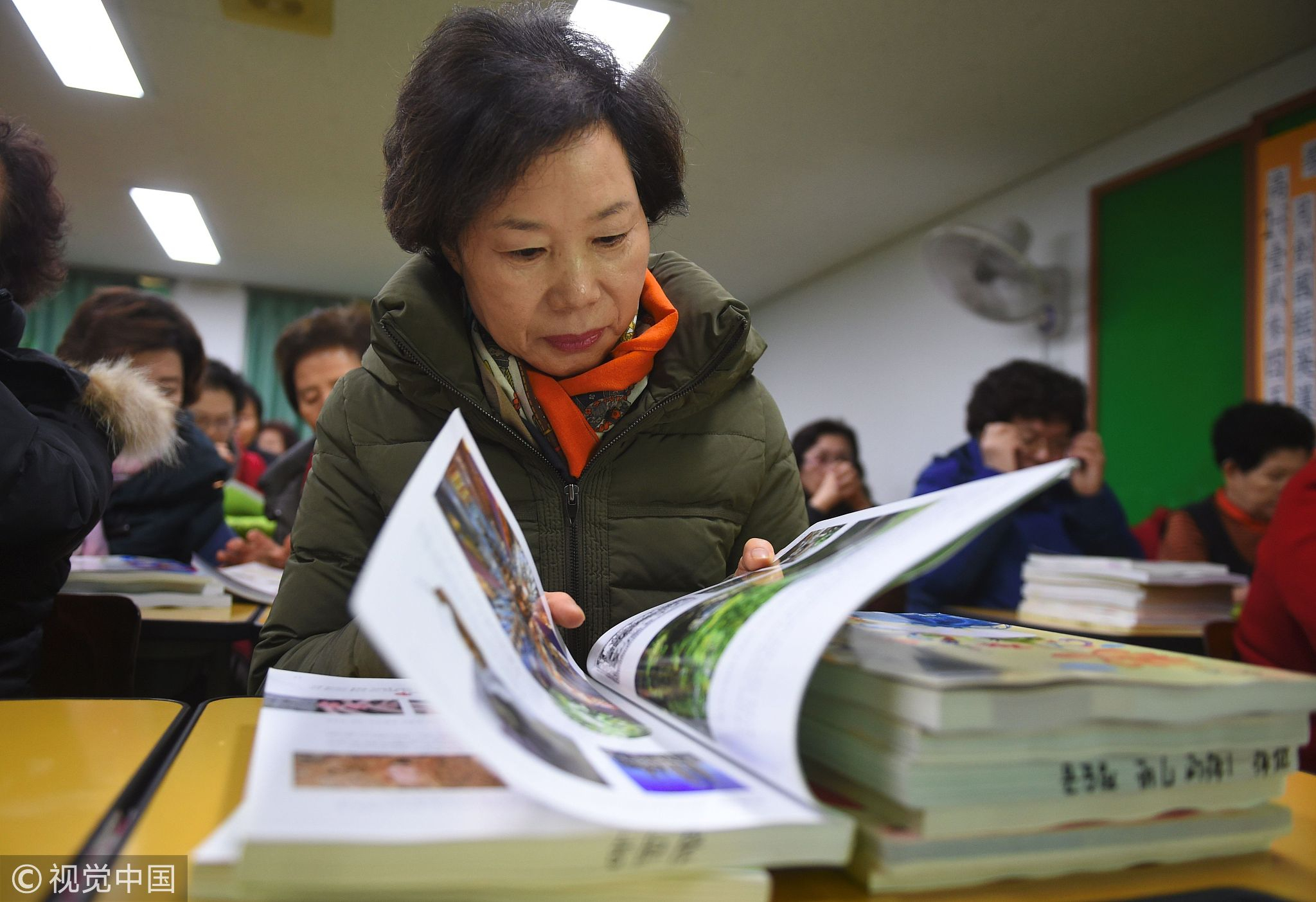
South Korean students aged 60 and up look through text books after their entrance ceremony for Ilsung Women's School in Seoul, March 2, 2017. /VCG Photo
South Korean students aged 60 and up look through text books after their entrance ceremony for Ilsung Women's School in Seoul, March 2, 2017. /VCG Photo
Eventually, he hopes the study can be expanded to the entire Asia-Pacific region to provide a fuller picture and allow countries to compare policies and learn from each other's experiences.
At the moment, policies worldwide are much too rigid and out of sync with both the pace at which people are ageing and their increased activity levels.
Lifestyle tips
Not just policy makers, but every individual also needs to look ahead and make plans.
Average life expectancy is due to rise from 71 to 77 over the next 50 years, and in countries like Japan, Singapore and Switzerland it could top 88, according to the UN's 2017 World Population Prospects.
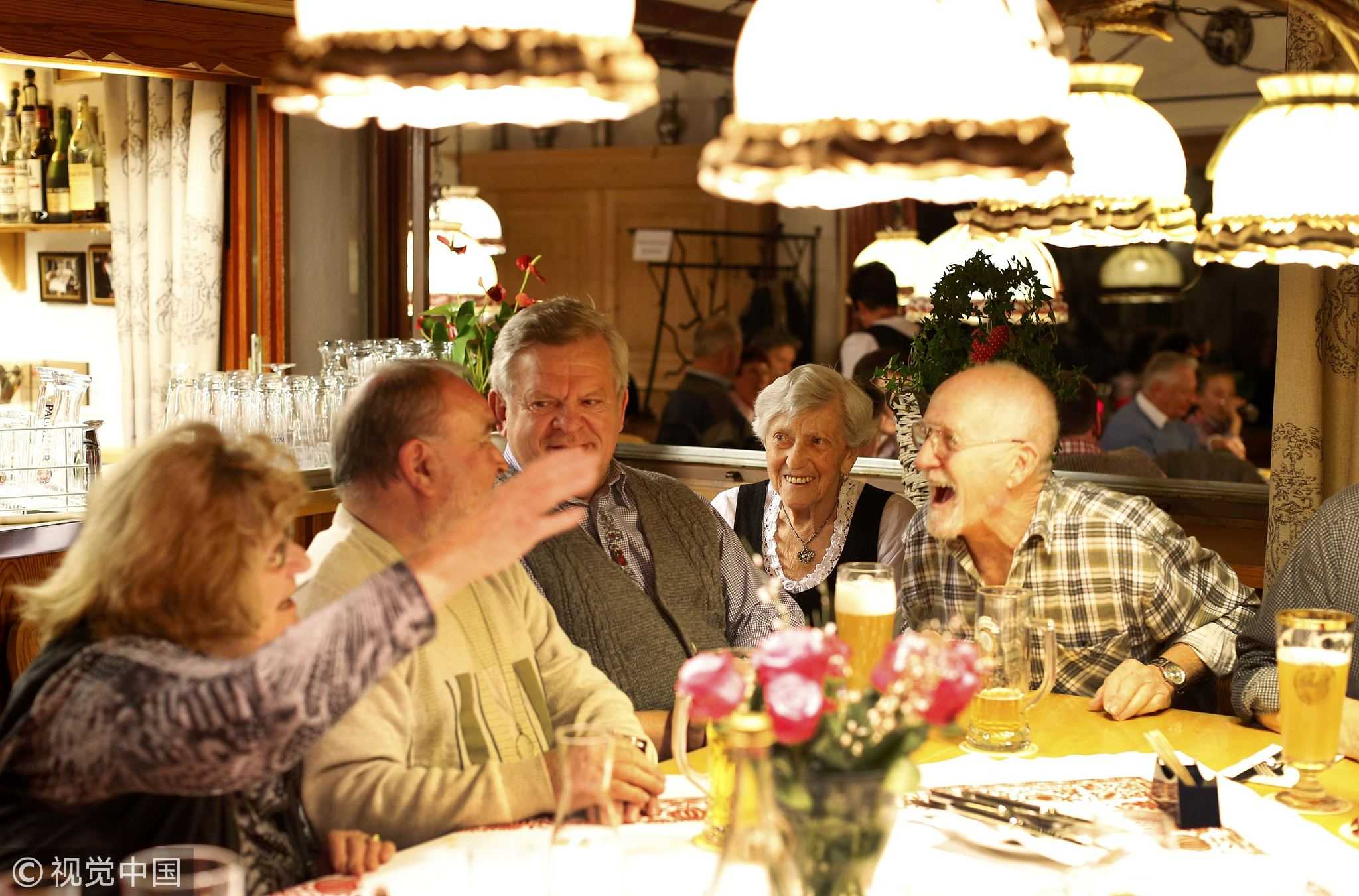
German waitress Kathi Kink (2nd R) aged 91, sits with guests in her restaurant in Naring, Germany, February 1, 2015. /VCG Photo
German waitress Kathi Kink (2nd R) aged 91, sits with guests in her restaurant in Naring, Germany, February 1, 2015. /VCG Photo
This means young people today could live 20-25 years after they retire. If they want those years to be fulfilling, they need to start building up their pension fund, health, hobbies and a network of friends now, urged Zaidi, who envisages a day when there will no longer be a retirement age.
Already the idea of healthy or active ageing has been embraced by the World Health Organization (WHO) and the European Commission, which have made it one of their policy priorities.
The OECD has meanwhile been advocating "giving people better choices and incentives to continue working at an older age" as a way to tackle the ageing problem.
Asia has only had to grapple with the issue recently, but it will fast become a major challenge. Thanks to countries like China, India, Pakistan and Indonesia, 60 percent of the world's population above 60 will be in this region by 2050, the UN forecasts.

 ["china","europe"]