
Business
15:57, 26-Jun-2018
Bamboo brings opportunities to farmers
Updated
15:05, 29-Jun-2018
 ["china"]
Share







Copied
02:43
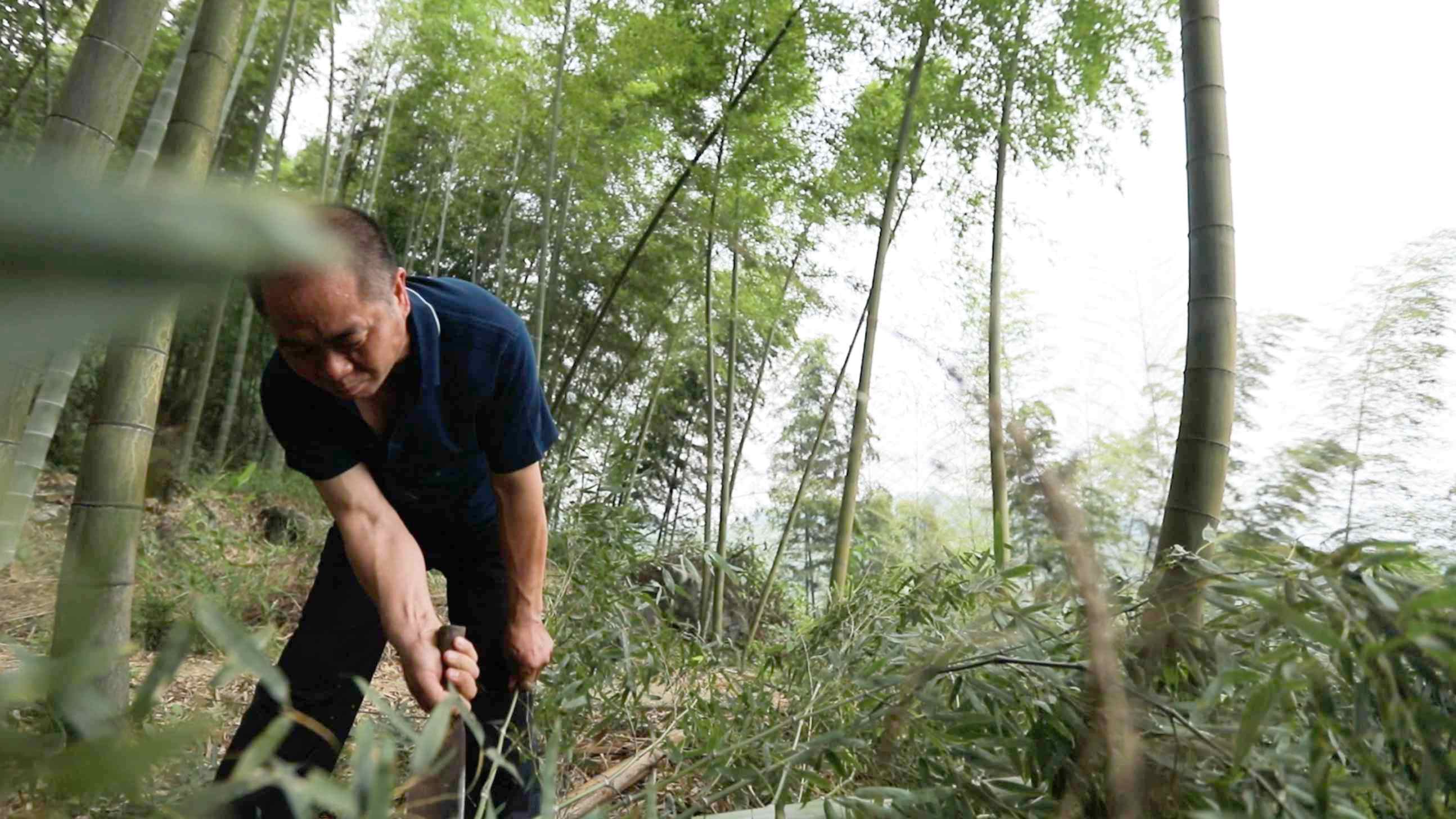
Yibin, a city in southwest China’s Sichuan Province, has abundant bamboo resources which improved incomes of local people.
In 2017 alone, the bamboo industry in this city generated a total revenue of 1.1 billion US dollars, offering new choices for millions of local farmers including Zhao Zhiquan.
Zhao, who is 52-year-old, has been nurturing a bamboo forest for over two decades with his own hands.

Local farmer Zhao Zhiquan talks to CGTN reporter. /CGTN Photo
Local farmer Zhao Zhiquan talks to CGTN reporter. /CGTN Photo
The bamboo forest was a part of the government’s policy to reconvert the farmland into forestry since 1997.
The bamboo brings him 10,000 US dollars earnings each year, an income he could not imagine twenty years ago.
Bamboo has a lifespan of 50 to 100 years. New plants only comes when the old bamboo is cut down, and it grows much faster than traditional pulpwood.
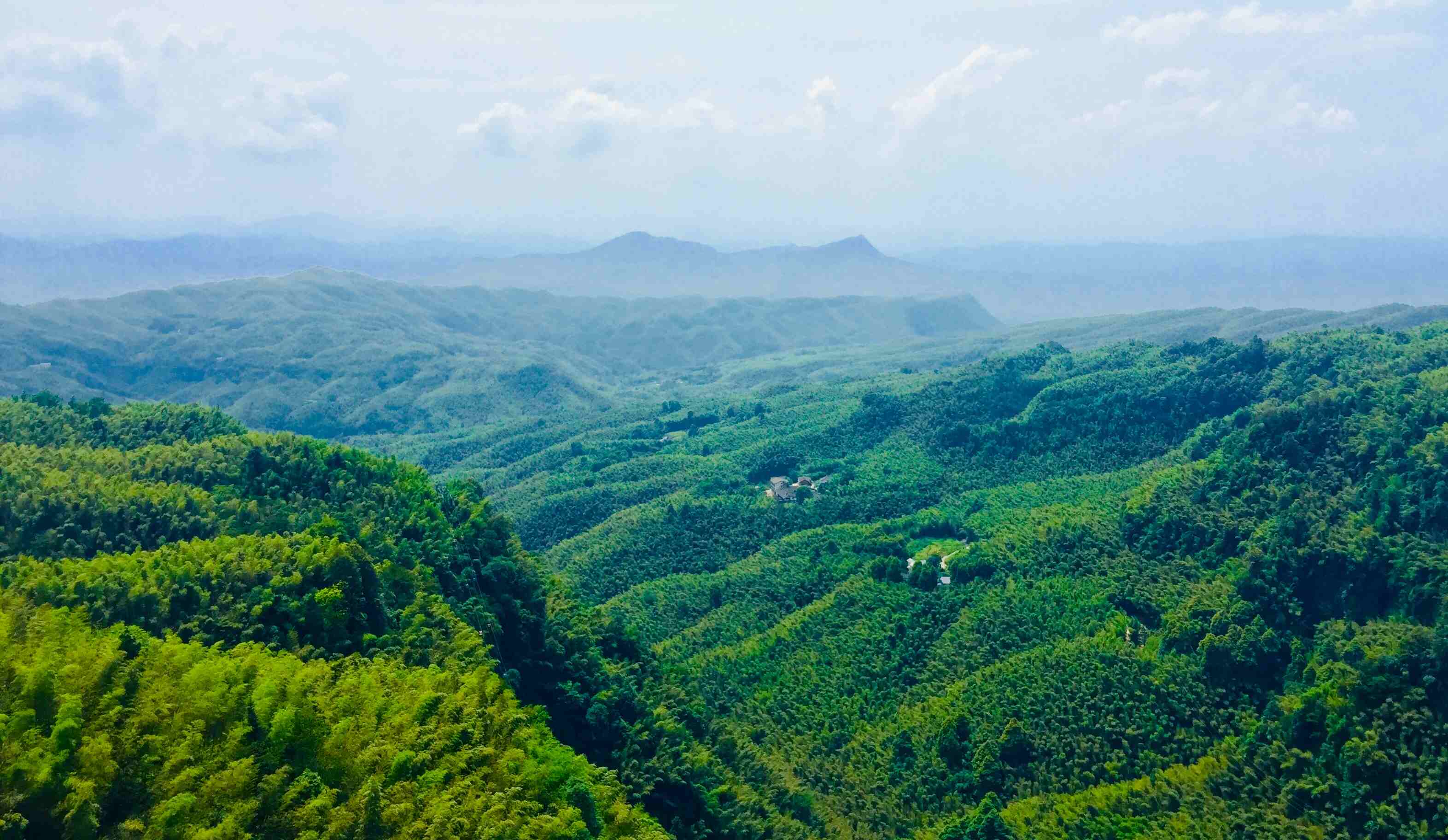
Bamboo forest in Yibin, Sichuan Province, China /CGTN Photo
Bamboo forest in Yibin, Sichuan Province, China /CGTN Photo
Zheng Renhong, Director of Forestry Bureau, Changning county of Yibin City told CGTN that “The biggest advantages of bamboo is it is green and sustainable. "

Zheng Renhong, Director of local Forestry Bureau, speaks to CGTN in the bamboo forest. /CGTN Photo
Zheng Renhong, Director of local Forestry Bureau, speaks to CGTN in the bamboo forest. /CGTN Photo
The local government encourages farmers to develop a whole bamboo industrial chain. In 2017, bamboo farmers earned an average of 500 US dollars from the industry.
In addition to selling bamboo directly, Zhao also developed other trade, like using bamboo leaves as livestock feeding.
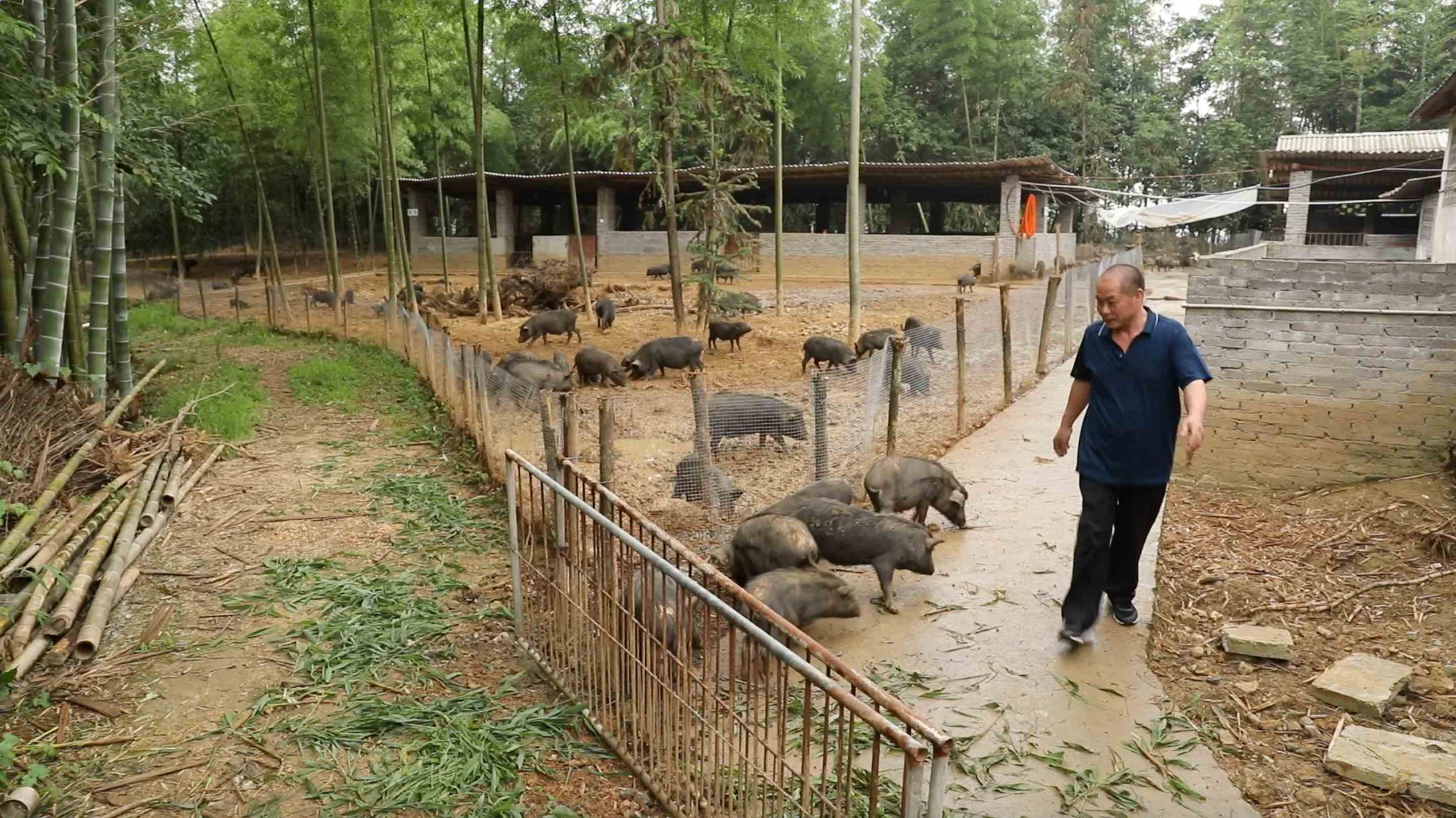
Zhao feeds pigs with bamboo leaves. /CGTN Photo
Zhao feeds pigs with bamboo leaves. /CGTN Photo
He said he expected the government could help him to bring in more new technologies to diversify bamboo business.