
Business
22:11, 05-Oct-2018
Time-honored Chinese brands seek cross-industry collaboration
Updated
21:45, 08-Oct-2018
 ["china"]
Share







Copied
02:48
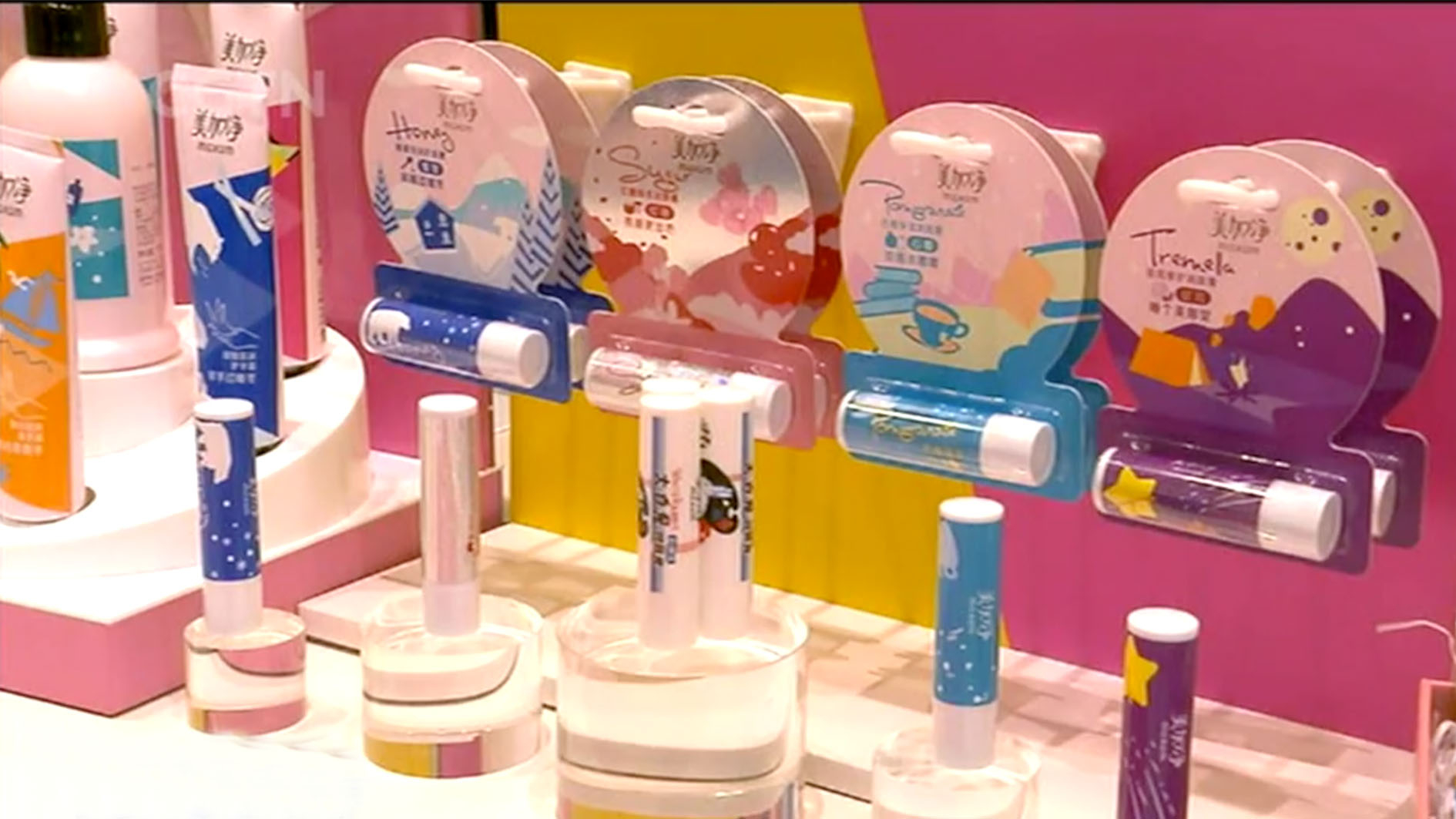
As the tastes of Chinese consumers change, cross-industry collaboration may be the next big trend.
In late September, a classic candy-inspired lip balm went on a trial sale on Tmall, Alibaba's largest e-commerce platform. Priced at 78 yuan, or more than 10 US dollars a set, the limited edition with 920 tubes were sold out in seconds.
The lip balm is a collaboration between China's White Rabbit candy with cosmetics firm Maxam.
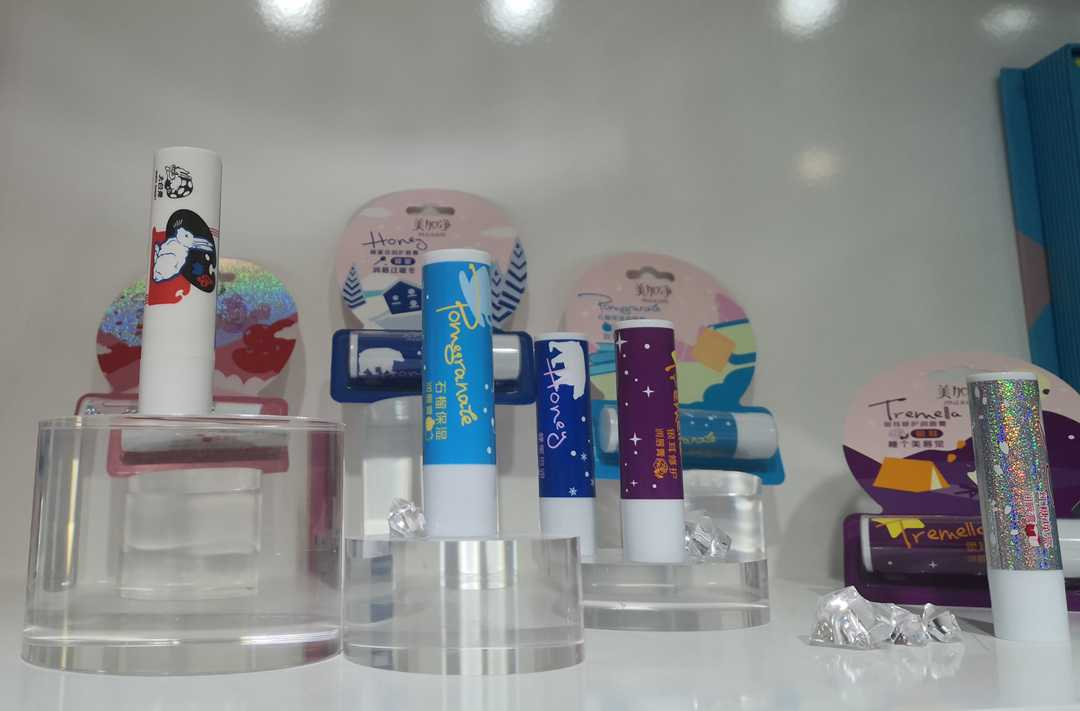
The classic candy-inspired lip balm sold out in seconds on Tmall, Alibaba's largest e-commerce platform, September 20, 2018. /CGTN Photo
The classic candy-inspired lip balm sold out in seconds on Tmall, Alibaba's largest e-commerce platform, September 20, 2018. /CGTN Photo
Now many online stores have launched pre-order services for the official sale of the lip balm.
The White Rabbit candy, made by food manufacturer Guanshengyuan, is a familiar childhood snack for many Chinese people. Now it has come back in style as a lip balm, but it retains the retro design and milky aroma.
Some have joked on social media that they might end up eating the lip balm, which has sparked heated discussions on food safety.
Shanghai Jahwa, Maxam's parent company, says the two brands have taken safety issues very seriously.
"Together with food scientists from Guanshengyuan, we decided to use food-grade formula with milk essence from the White Rabbit candy. On the other hand, we don't want it to be too sweet since it's a skincare product," said Yu Wei, chief marketing officer of Shanghai Jahwa United.
Having just celebrated its 120th birthday, Jahwa has turned itself into a pioneer of cross-industry collaboration. In June, its flagship product Liushen Florida Water, a widely-used mosquito repellent, collaborated with Chinese alcopop brand Rio to produce a special-flavored cocktail.
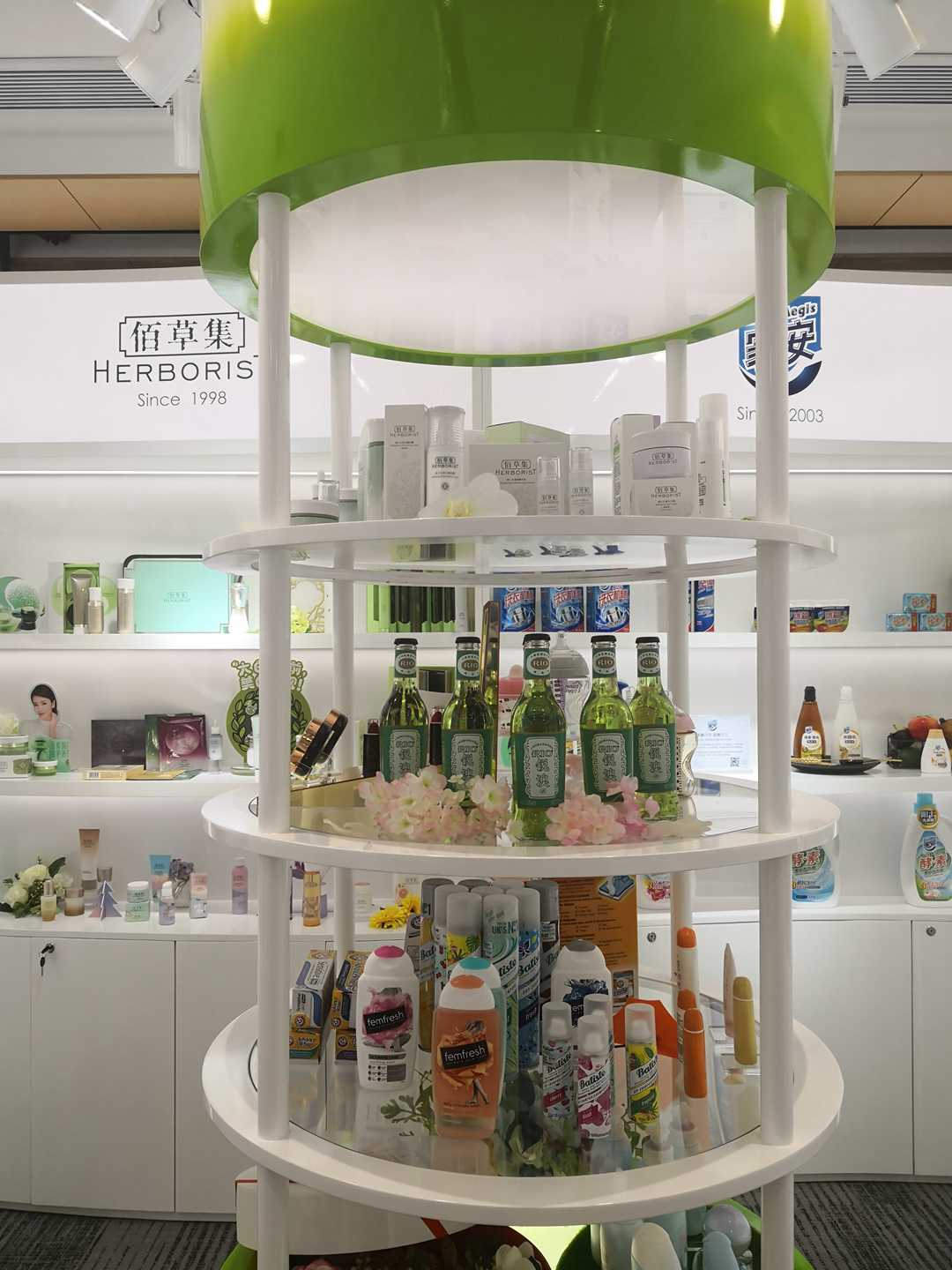
Shanghai Jahwa's flagship product Liushen Florida Water, a widely-used mosquito repellent, collaborated with Chinese alcopop brand Rio to produce a special-flavored cocktail in June 2018. /CGTN Photo
Shanghai Jahwa's flagship product Liushen Florida Water, a widely-used mosquito repellent, collaborated with Chinese alcopop brand Rio to produce a special-flavored cocktail in June 2018. /CGTN Photo
"First, we would like consumers to feel surprised about the combination. Second, it depends on whether the two brands can really fit with each other. Now, we are also in talks with some international fashion brands as they want to enter the Chinese market with a more approachable image," Yu Wei said, adding that these factors lead to cross-industry pairings.
Meanwhile, e-commerce sites like T-mall provide just the platform these traditional brands need to connect with a more fashion-forward audience.
"To support these traditional Chinese brands, Tmall has set up a special team. According to our figures, each brand could gain about of 90 percent of its new customers through launching cross-industry products on our platform," said Liu Bo, manager of Tmall's business department.

Liu Bo (R), manager of Tmall's business department, talks about the growing cross-industry collaboration trend for Chinese brands with CGTN reporter Wang Mengzhen. /CGTN Photo
Liu Bo (R), manager of Tmall's business department, talks about the growing cross-industry collaboration trend for Chinese brands with CGTN reporter Wang Mengzhen. /CGTN Photo
While many consumers are willing to try these novel products out of curiosity, whether or not they'll buy them again is still unknown. Consumers share their views with CGTN.
"In the long run, I will consider a second purchase if the product really works and its price is reasonable,” said a female customer.
“The image of these old brands is deeply rooted in my mind. So if their products are stepping so far outside their element, I won't risk trying," said another customer, a young man.
So how can these old Chinese brands keep up with consumer demand? Lao Guoling, an associate professor at Shanghai University of Finance and Economics, told CGTN that the survival of these old brands relies on the quality and reputation of their products over the years.
"Nowadays, apart from digital thinking, these traditional brands have to combine innovative packaging with good quality to make a perfect match,” Lao said.
Lao added that the success has a lot to do with government support. Shanghai is leading the way as local authorities have launched a three-year action plan to reshape the reputation of 50 old Shanghai brands and further boost the city's consumption.