
Opinions
10:11, 08-Aug-2018
The Heat: The future of Brexit: negotiation underway amidst calls for new referendum
Updated
09:36, 11-Aug-2018
 ["china"]
Share







Copied
01:15
Two years after the yes-or-no referendum on Brexit, the UK is now struggling to reach an agreement with the European Union (EU). Opinions on whether to enter a hard, soft or even no-deal Brexit are highly divided as the “exit day” on 29 March, 2019 is approaching.
According to the Financial Times, British business leaders are fed up with the political stalemate. Several big companies – including BP, Nestle, and Vodafone – warned the government that the procrastination of clarifying the final deal has begun to hurt the economy.
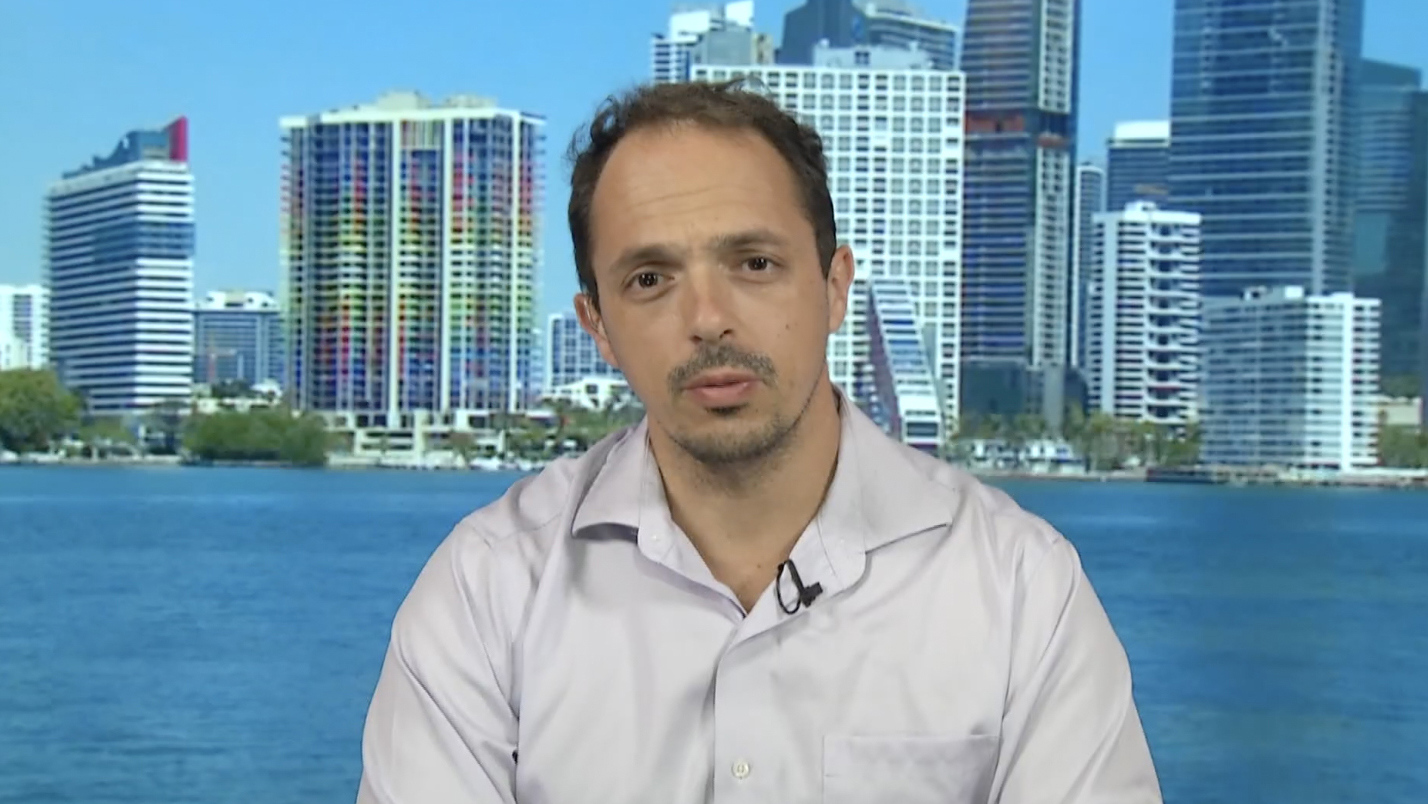
Remi Piet, a research fellow at the University of Miami, weighed in on that point. In a recent political talk show, he suggested that the efforts that Prime Minister Theresa May is making to find a common bridge with other heads of the EU turned out to be unsuccessful, and as a result, “the impact on British economy is going to be dreadful.”
To make things worse, the discussion is heading toward the opposition direction.
“What we have in Westminster is a political deadlock,” said David Smith, the Washington DC bureau chief for The Guardian. “Trade Secretary Liam Fox even suggested a 60/40 chance of no deal at all.”
Keen leavers from the Brexit camp like Foreign Secretary Boris Johnson, and Brexit Secretary David Davis resigned from the team because of disagreements with May, who softened her tone and proposed a closer alignment than what “Brexiteers” favor.
Reaction from the EU side is also negative. Remi Piet described the European Union representative as a “hardball player” with the UK.
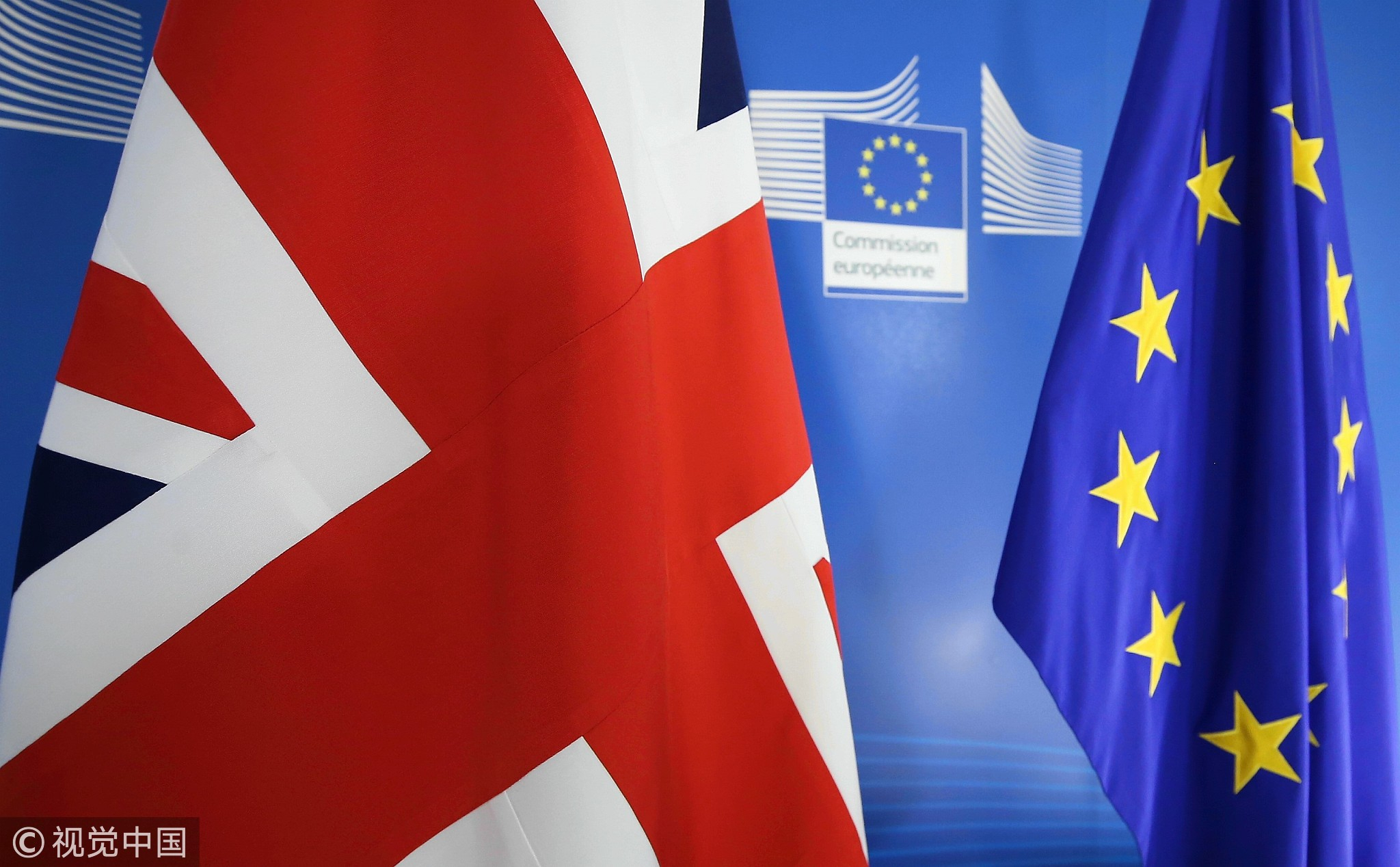
July 26, 2018: Flags are seen ahead of a joint press conference of EU Chief Brexit Negotiator Michel Barnier and British Secretary of State for Exiting the European Union Dominic Raab (both not pictured) in Brussels, Belgium. / VCG Photo
July 26, 2018: Flags are seen ahead of a joint press conference of EU Chief Brexit Negotiator Michel Barnier and British Secretary of State for Exiting the European Union Dominic Raab (both not pictured) in Brussels, Belgium. / VCG Photo
“Barney is intransigent, but that’s his role of the representative of the EU,” explained Remi. “What England wants is to maintain the status quo for import and export of goods, but move back in terms of integration of financial services and immigration.”
”That’s not the proper way to play this game; you can’t divorce halfway with EU or even decide on your terms of a divorce.”
In face of the varying degrees of anti-EU sentiment across all EU countries, “the last thing the EU will do is to make leaving the EU look easy and straightforward, even beneficial for the country leaving,” according to Joe Twyman, the founder and director of public opinion research firm Deltapoll.
“It’s in nobody’s interest to make these negotiations,” he added. “Everyone involved, whether it’s the EU or the conservative party, don’t want it to look easy because otherwise, it will not play well with their domestic supporters.”
According to a survey by Google, the most important reason that the determined leavers presented is the immigration issue. David pointed out that both political fears and current British economic situation echo with the countries’ long-standing immigrant sentiments.
“People who struggle economically were encouraged by the left campaign to scapegoat immigrants,” David said.
Apart from economic terms, other factors are widening the gap between residents and immigrants.
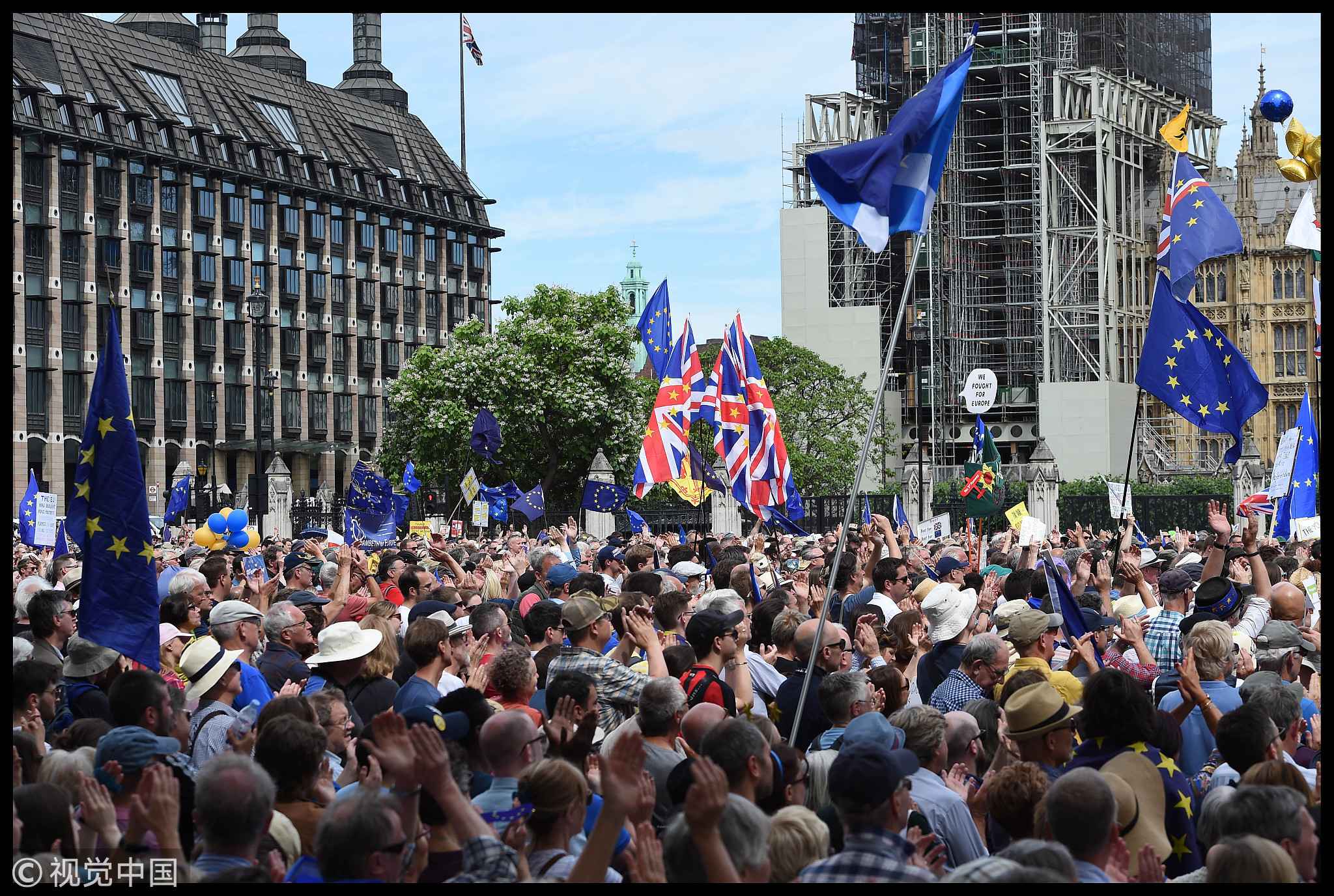
June 23, 2018: Tens of thousands of pro-EU protesters cram into Parliament Square at a rally calling for a second EU referendum to stop Brexit in London. / VCG Photo
June 23, 2018: Tens of thousands of pro-EU protesters cram into Parliament Square at a rally calling for a second EU referendum to stop Brexit in London. / VCG Photo
“People believe the country or the area has changed in a way that they are not comfortable with,” suggested Joe. “It can be in cultural, social, political or even religious terms. Some people started to doubt whether Britain is still a Christian country.”
Despite all the barriers of achieving a smooth Brexit, the chance of a second referendum, according to many political analysts, is fairly small. David pointed out that May and other potential successors have “ruled it out.” The more practical issue, he suggested, is to have a referendum on what type of Brexit to look forward to.
But it isn’t without hope. Research from Deltapoll showed that the number of supporters of a second referendum is growing, although not overwhelmingly.
On the other hand, seven out of ten respondents supported Brexit in principle, either out of their original will as leavers, or the belief that democracy should be upheld. Interestingly, when it comes to the conclusion of a Brexit deal, only three percent of respondents actually support the final outcome.
There is only roughly eight months before the official exit date arrives, and the time even shrinks to three months if you consider how long lawmakers need to ratify the deal.
According to Reuters, May is still positive about winning a good Brexit deal, because “reaching a good deal is not only in the interests of the UK, it is in the interests of the EU and its 27 members.”
The Heat with Anand Naidoo is a 30-minute political talk show on CGTN. It airs weekdays at 7:00 a.m. BJT and 7:00 p.m. Eastern in the United States.