
Health
14:51, 25-Apr-2018
Scientists explain link between exercise and appetite loss
 ["china"]
Share







Copied

Ever wonder why intense exercise temporarily tamps down your appetite?
Researchers from Albert Einstein College of Medicine reveal that the answer is all in your head – more specifically, your arcuate nucleus, according to a study published on Tuesday.
“Our study provides evidence that body temperature can act as a biological signal that regulates feeding behavior, just like hormones and nutrients do,” says coauthor Young-Hwan Jo, a neuroscientist at Albert Einstein College of Medicine.

Short-term appetite suppression is a well-known consequence of vigorous exercise, according to Jae Hoon Jeong, the paper's first author. It turns out the same is true in mice.
Jo’s group had mice run a treadmill for 40 minutes and found that their brains were heated and they ate less for the next few hours.
Given the role in regulating eating, the scientists focused on the hypothalamus to find out what will be responsible for this effect.
It turned out that in mice, neurons in the hypothalamus – specifically, in the arcuate nucleus (ARC) of the hypothalamus – produce heat-sensitive receptors called TRPV1.
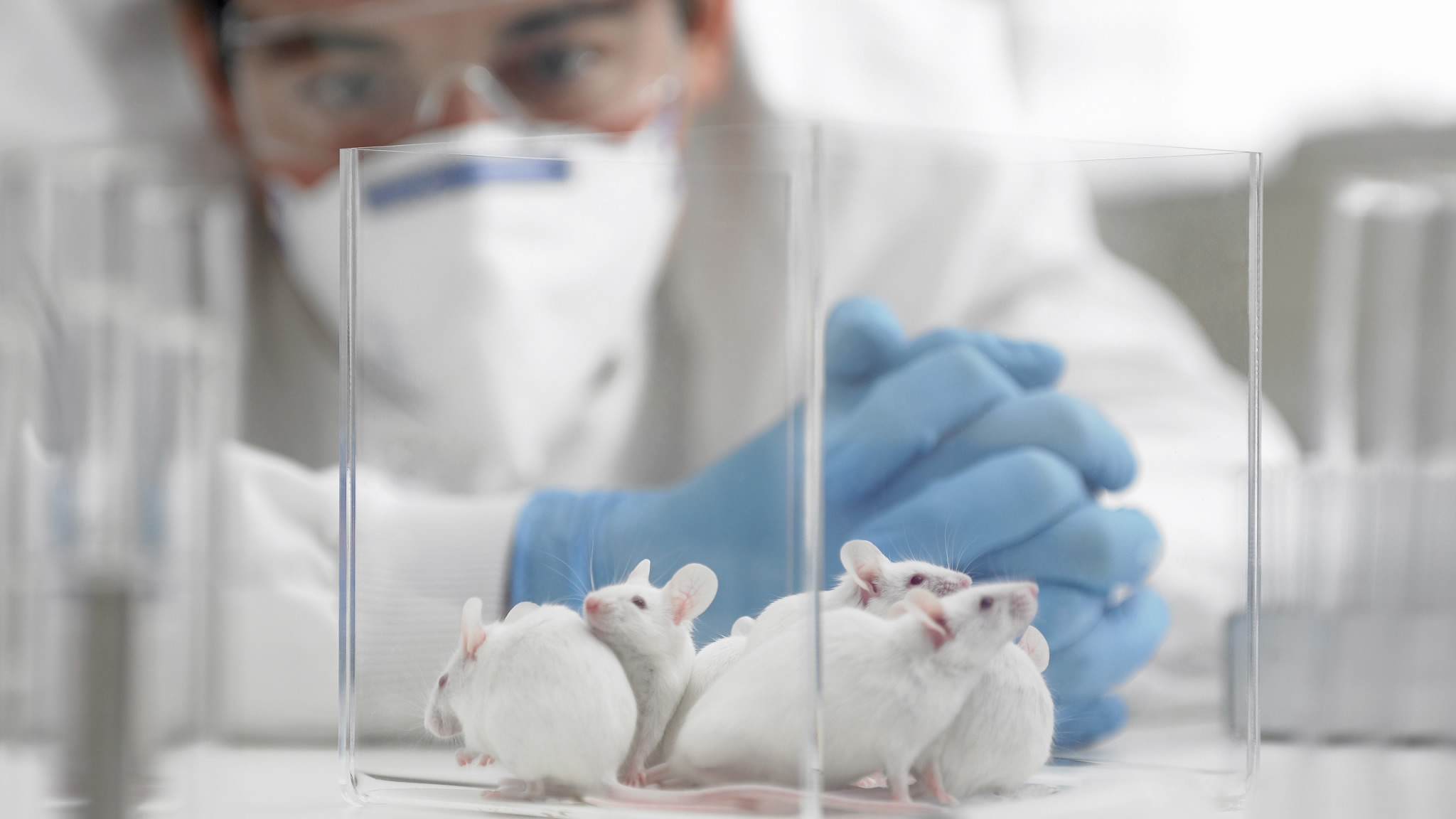
VCG Photo
VCG Photo
The investigators revealed that flipping on TRPV1 could suppress mice’s appetites. On the flip side, disrupting the receptor wiped out the appetite-suppressing effects of exercise.
“Hence, our results propose that elevated hypothalamic temperature can activate temperature-sensitive TRPV1-like receptors in [these] neurons, which may result in a decreased intake,” the researchers write in their report.
Source(s): Xinhua News Agency