
China
18:24, 14-Sep-2018
EU-China ties can underpin global stability, new envoy says
Updated
17:58, 17-Sep-2018
 ["china"]
Share







Copied
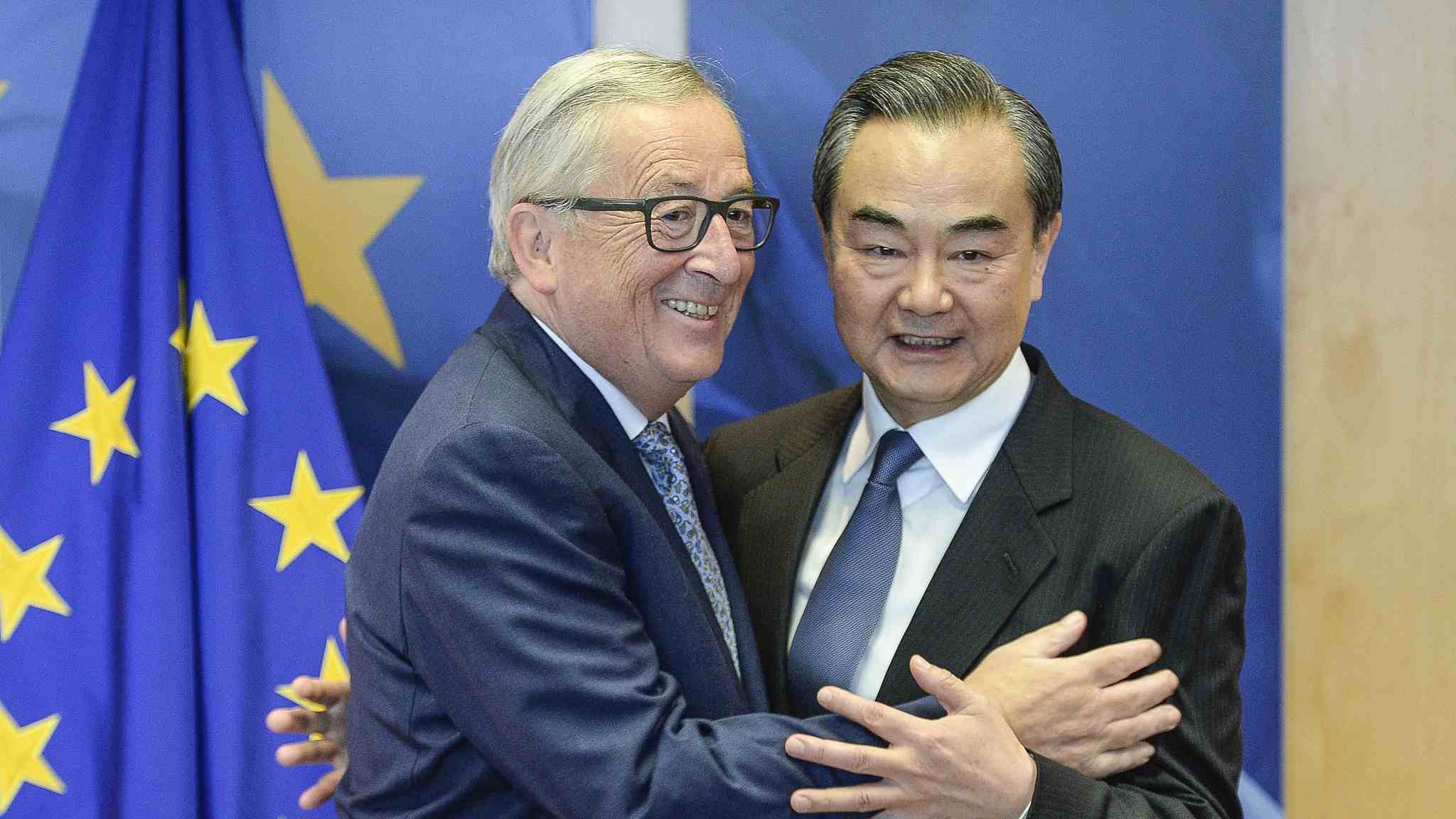
EU-China relations should become the cornerstone in international affairs, the EU's new ambassador to China said Friday, as the US retreats from the world stage and trade friction with its partners continue.
The three largest economic powers in the world – the European Union, China and the US – represent a triangle and "the urgency is to strengthen the foundation of the triangle, which I think is Europe-China," Ambassador Nicolas Chapuis told reporters in Beijing.
A "redistribution of power is taking place today" and amid the current shifting global situation, "Europe and China must be building blocs of stability and prosperity," the Frenchman went on.
"The EU and China can do a lot to alleviate the disruptions we are seeing in trade and the global economy," he added, declaring that he was "here for action, for joint action, and increasing the pace of joint action."
Chapuis echoed European Commission President Jean-Claude Juncker, who in his State of the Union address on Wednesday said that "Europe's hour" has come and called for the EU to be a "global player" as well as a "global payer."
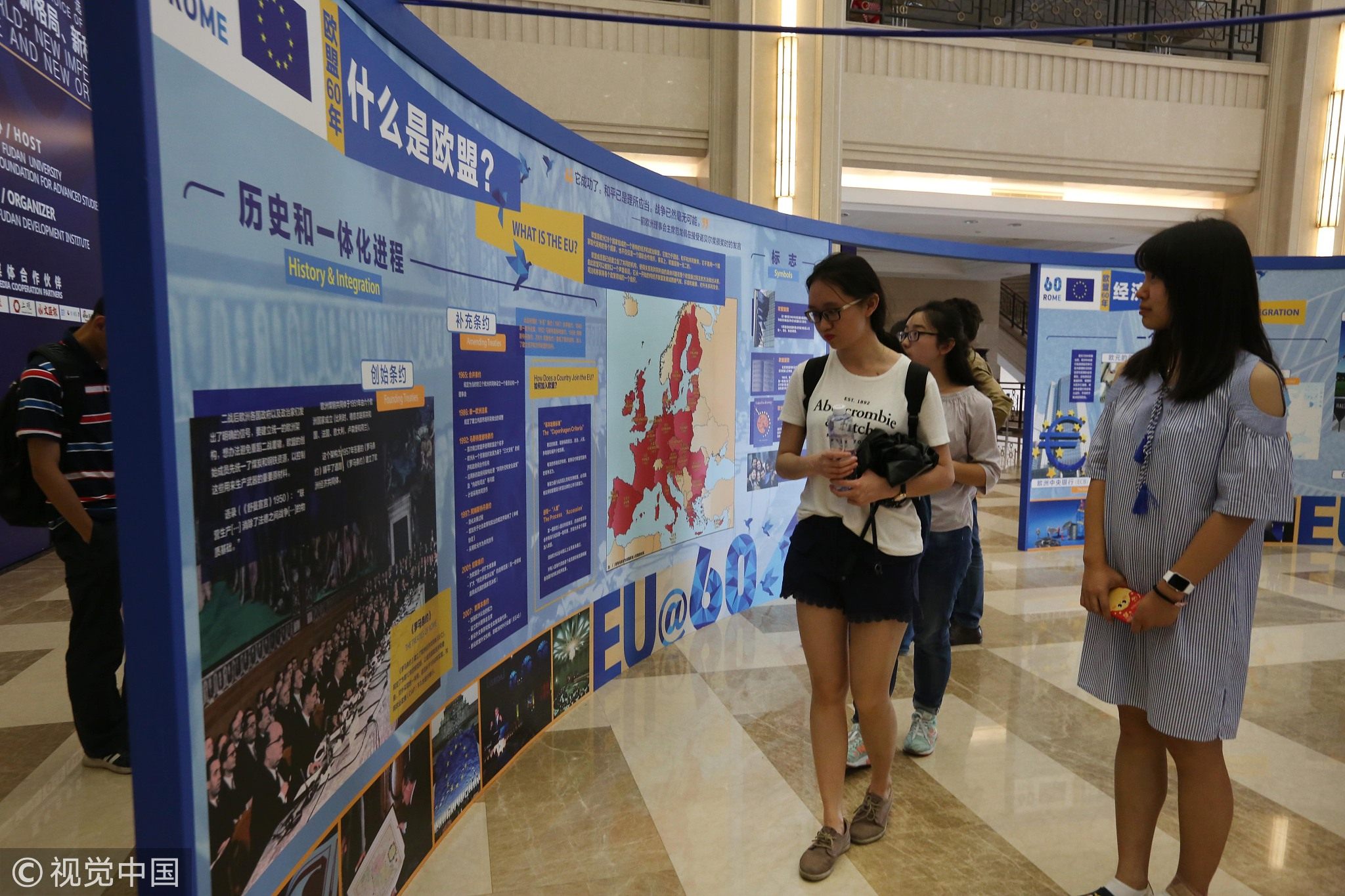
Visitors at an EU exhibition at Fudan University in Shanghai, China, May 21, 2017. /VCG Photo
Visitors at an EU exhibition at Fudan University in Shanghai, China, May 21, 2017. /VCG Photo
The EU no longer wants to be seen as just a soft power and "strengthening the EU-China relationship will show how the EU can grow," Chapuis, a career diplomat with several previous stints in China, said.
Asked whether Juncker's speech, which included a call to make the euro a global trading currency, indicated increasing EU independence from the US, Chapuis exclaimed an unequivocal "yes!"
The ambassador also warned against measures that targeted China's economy. "China is a global engine of growth… disruption of that engine will bring harm not only to China, but to the rest of the world."
With 1.5 billion euros (1.76 billion US dollars) worth of goods traded on average every day between the two regions, Europe is already China's number-one trade market.
Brussels and Beijing are also working together to reform the World Trade Organization, and negotiations continue to agree on a comprehensive bilateral investment deal.
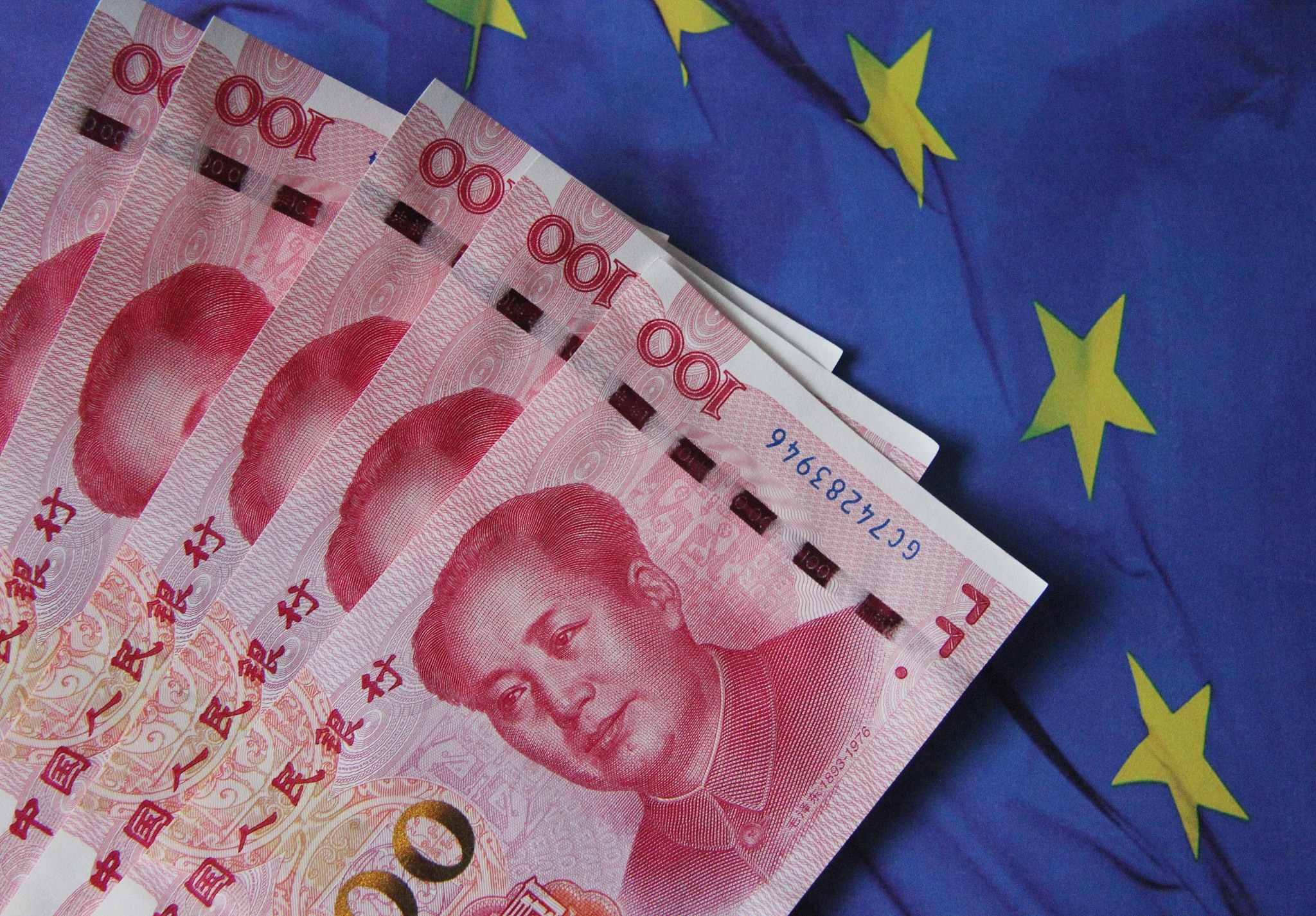
Chinese banknotes against an EU flag. /VCG Photo
Chinese banknotes against an EU flag. /VCG Photo
Last year, China invested about 32 billion euros in the EU, while six billion euros flowed in the other direction, according to EU data.
Chapuis said that while the base of investment growth had slowed over the past three years, the long term trend was "remarkable."
Critics however have voiced concerns about the rise in Chinese acquisitions in Europe, as well as market access restrictions for European companies in China.
Responding to these concerns, Chapuis was adamant: "We do not want less Chinese investment, we want more. Come!"
"But we want to make sure investments are sustainable, create jobs, benefit the people of our countries and do not endanger national interests," he added.
Chapuis stressed that he had hit the ground running, arriving in Beijing on Sunday before presenting his credentials to Chinese leadership on Monday.
Three EU commissioners and two delegations from the EU parliament are due to visit China next week, the ambassador added, while more are expected in November for events including the China International Import Expo in Shanghai.
(Top picture: European Commission President Jean-Claude Juncker (L) welcomes Chinese Foreign Minister Wang Yi at European Commission headquarters in Brussels, Belgium, June 1, 2018. /VCG Photo)