
Business
20:35, 30-Aug-2018
Putin announces moves to soften Russian pension reform
Updated
19:45, 02-Sep-2018
 ["other","Russia"]
Share







Copied
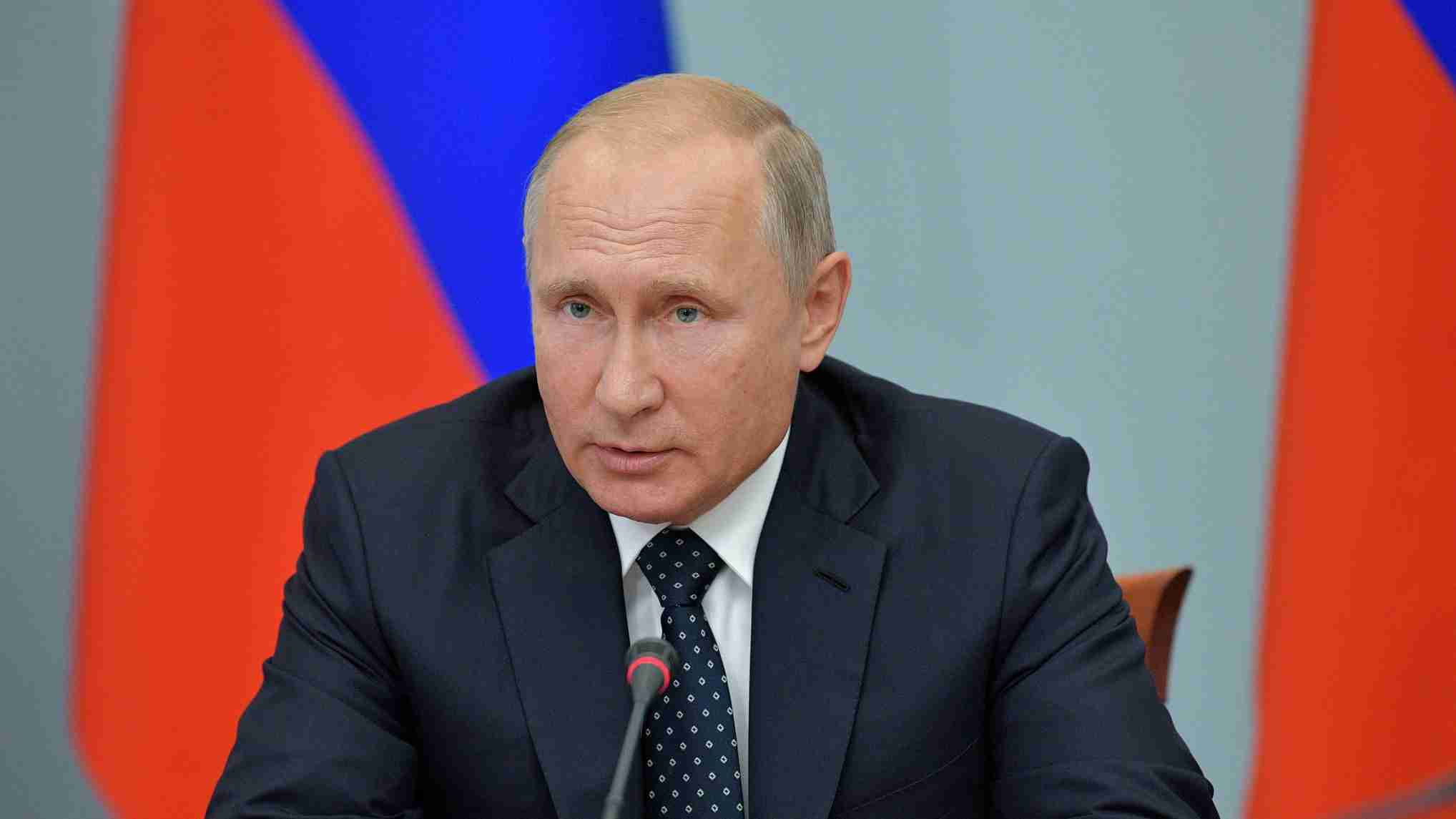
Russian President Vladimir Putin said on Wednesday that moves to implement controversial pension reforms could not be delayed any further, but proposed a series of measures to cushion their effects.
In July, the Russian State Duma passed a bill gradually extending the age of retirement to 65 from 60 for men and to 63 from 55 for women from 2019, which triggered protests throughout Russia.
In a televised address to the nation, Putin said "it is really impossible to postpone it further. It would be irresponsible and could lead to serious consequences in the economy and social sphere and most negatively affect the fate of millions of people."
However, in recognition of the unpopularity of the bill, Putin proposed lowering the retirement age for women by three years to 60.
"The retirement age for women should not increase more than for men. Therefore, I consider it necessary to reduce the proposed increase in the retirement age for women to five from eight years proposed by the bill," Putin said.
A mother of three should be allowed to retire three years earlier, a mother of four -- four years earlier. Women with five or more children should be able to retire at 50, he added.
Putin also proposed keeping the retirement age for men set in the bill at 65.
Read more: Facing up to an aging world
According to RT, Putin told media in July that pension reform "is a very sensitive issue for a large number of our citizens", adding that it was a question that "has been discussed for many years".
The Russian president, speaking in Kaliningrad, conceded that he liked none of the options concerning increases to the retirement age, but underlined the necessity of reform, saying without new laws "either the whole pension system would go bust" or the state reserve fund would be used "to cover the pensions deficit".
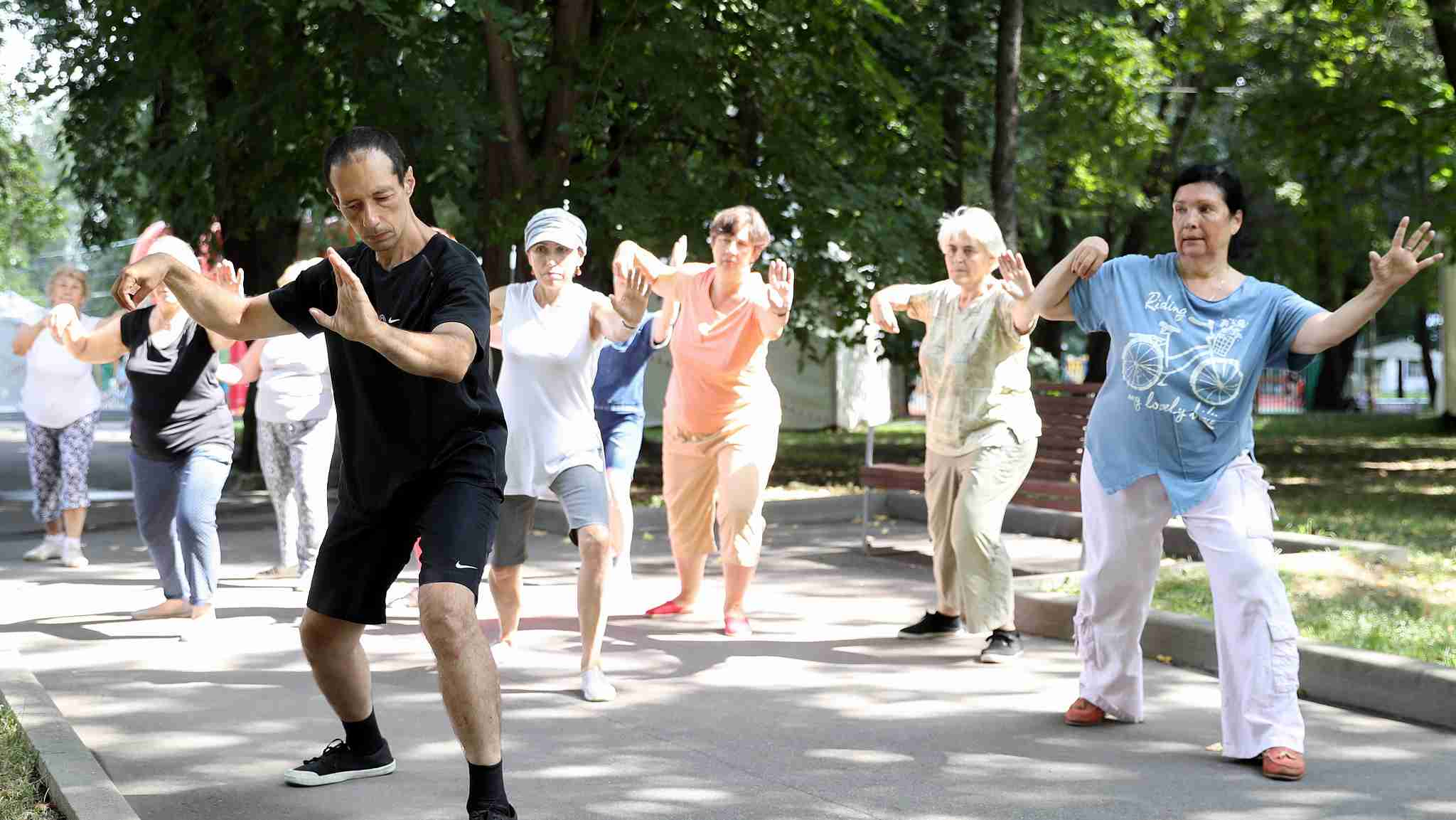
Senior citizens practice qigong in Moscow's Krasnaya Presnya Park, August 5, 2018. /VCG Photo
Senior citizens practice qigong in Moscow's Krasnaya Presnya Park, August 5, 2018. /VCG Photo
Russia currently has around 46.5 million pensioners, who will not be affected by the proposed changes.
More than one-quarter of the entire population is of retirement age, with the government forecasting by 2036 every working adult will have at least one pensioner to support.
A study released through the Russian Finance Ministry suggested that the original pension reform bill would have led to savings of 27.3 billion US dollars per year. That would be enough to raise pension payouts by 30 percent by 2034, and free up extra funding to go into infrastructure, healthcare and education.
The pension reform bill awaits two more readings in the Duma, and has to be approved by the upper house before being signed into law by Putin.