
Culture
07:51, 29-Apr-2018
'Don't rush us!' Sumo ducks decision on men-only rule
 ["china"]
Share







Copied
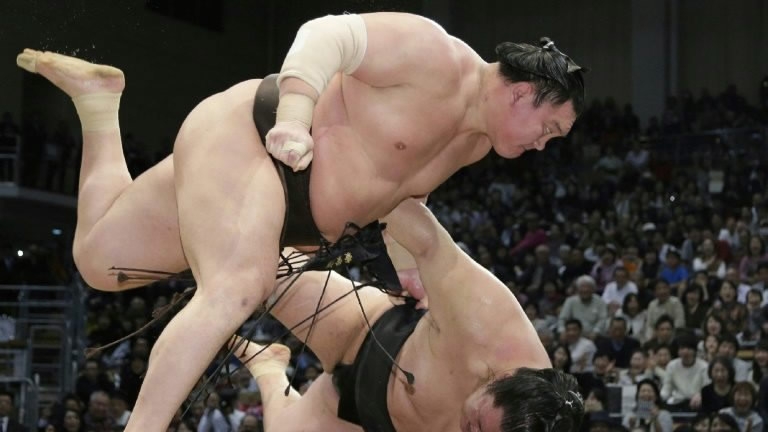
Japanese sumo officials
opted Saturday to postpone a decision on overturning the ancient sport's
"men-only" policy following allegations of deep-rooted sexism.
Plagued
by scandal in recent years, sumo was plunged into further controversy
earlier this month after a comedy of public relations errors by the
Japan Sumo Association (JSA) that were almost universally slammed as
sexist.
The JSA was forced to apologise after women who rushed to
the aid of a local mayor who had collapsed during a speech at a regional
event were repeatedly told to leave a sumo ring.
Just days after
that incident triggered unwanted headlines, a female mayor from the
western city of Takarazuka was barred from delivering a speech inside
the ring.
The trouble-prone JSA was then further criticised after
trying to prevent girls from participating in a children's sumo event in
Shizuoka prefecture, citing "safety concerns."
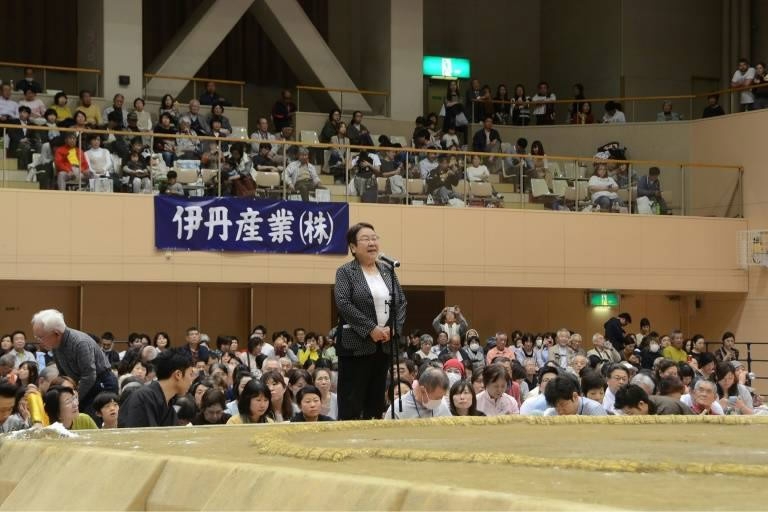
Tomoko Nakagawa, the mayor of the Japanese city of Takarazuka, was barred from delivering a speech inside the hallowed sumo ring. /AFP Photo
Tomoko Nakagawa, the mayor of the Japanese city of Takarazuka, was barred from delivering a speech inside the hallowed sumo ring. /AFP Photo
In an attempt to
arrest the latest public relations disaster to hit the roly-poly sport,
officials met on Saturday, but failed to reach a decision on reversing
their men-only rule.
"(This policy) has continued for hundreds of years," sumo gym chief Oguruma told local media following the hour-long meeting.
"We can't change it in an hour."
Sumo dates back some 2,000 years according to historians and retains many Shinto religious overtones.
Its dirt rings, known as
"dohyo", are viewed as sacred in the Japanese Shinto faith and women --
considered to be ritually unclean -- are not allowed to enter for fear
of desecrating the hallowed soil.
However, after videos of the
women offering medical help being shooed from the ring in Maizuru,
northwest of Kyoto, went viral, the JSA has come under increased fire,
prompting them to convene to discuss potential policy changes.
JSA director Toshio Takano called for more time to bring change to the male-dominated sport.
"We are talking about an extremely difficult issue," he said. "Therefore we need to take our time over it."
The
closeted sumo world has been rocked by a string of damaging scandals in
recent years, from allegations of bout-fixing to drugs arrests and
violent bullying -- the most serious case resulting in the death of a
teenage wrestler in 2007.
Last year, grand champion Harumafuji was
charged over a brutal assault on a rival wrestler while out drinking,
ending his career.
However, sumo is not the only sport in Japan to face criticism for its exclusive policies.
The
private club chosen to host golf at the 2020 Tokyo Olympics was forced
to lift its controversial ban on female membership last year after
pressure from Tokyo Governor Yuriko Koike and the International Olympic
Committee.
Source(s): AFP