
Opinion
09:27, 10-May-2019
Chinese Brand Day: A brand day for Chinese brands
 ["china"]
Share







Copied

Editor's note: Du Jiayi is a lecturer from Shanghai University of International Business and Economics. The article reflects the author's opinion, and not necessarily the views of CGTN.
May 10 marks the historical significance for Chinese enterprises since it was approved as Chinese Brand Day since 2017. With valuable intellectual property portfolios and global distribution networks, some Chinese giants like Lenovo and Huawei have gained high brand power scores overseas. Answering the Belt and Road Initiative, China has entered a new era of globalization.
Based on Google data and consumer survey, advertising agency group WPP issued "Brand Top 50 Chinese Global Brand Builders 2018" report which indicates the performance of Chinese brand in awareness and consideration outside China.
This pioneering research finds out that the perception of "Made in China" is shifting. Negative perceptions of Chinese product such as imitation are declining. The report highlights "Created in China."

The second China Brand Day preparatory meeting is held in the friendship hall of the Shanghai exhibition center, March 13, 2019. /VCG Photo
The second China Brand Day preparatory meeting is held in the friendship hall of the Shanghai exhibition center, March 13, 2019. /VCG Photo
And the good news is the younger generations are more positive about Chinese brands than the old generations, outside China. The younger generations choose brands based on benefits rather than the country of origins. They care for the product creativity, affordable prices and diversity.
Chinese brands are delivering and communicating quality and relevance and closing the "awareness gap." Consumers increasingly regard China as a potential choice for innovative brands. And these brands also change the way people look at China.
In some traditional sectors such as automobiles and luxury goods, Chinese brands still can't compete internationally and perceived inferior to international peers. But new, Internet-driven Chinese brands such as mobile-gaming and e-commerce are gaining more success overseas since they provide consumers innovative devices and service and improve their lives. The Internet makes the global reach possible.
Chinese Technology brands build up digital technology and ecosystems to integrate e-commerce, mobile payment apps and other services. They tell consumers compelling brand stories and distinguish themselves from other brands. With an insatiable appetite for new and cutting-edge technology, these brands localize themselves in different regions and build a connection with overseas consumers.
Xiaomi, China's smartphone maker brand has decided to triple its store number in Western Europe in 2019. Oppo, another Chinese brand, will also enter three new regions in Europe by the end of 2019. Despite the ongoing U.S.-China trade war, these Chinese technology brands have earned the European market.
Chinese apps like TikTok developed by ByteDance and mobile-gaming developed by Tencent are catching on with global consumers. According to the data by Sensor Tower, apps developed by Chinese brands have earned 674.8 million U.S. dollars in the U.S. during the first quarter of 2019. TikTok's Chinese name is Doujin. Creating a new name in different regions is part of the brand strategy. These Chinese apps use social media such as Facebook to launch marketing campaigns and acquire users on substantial speed.
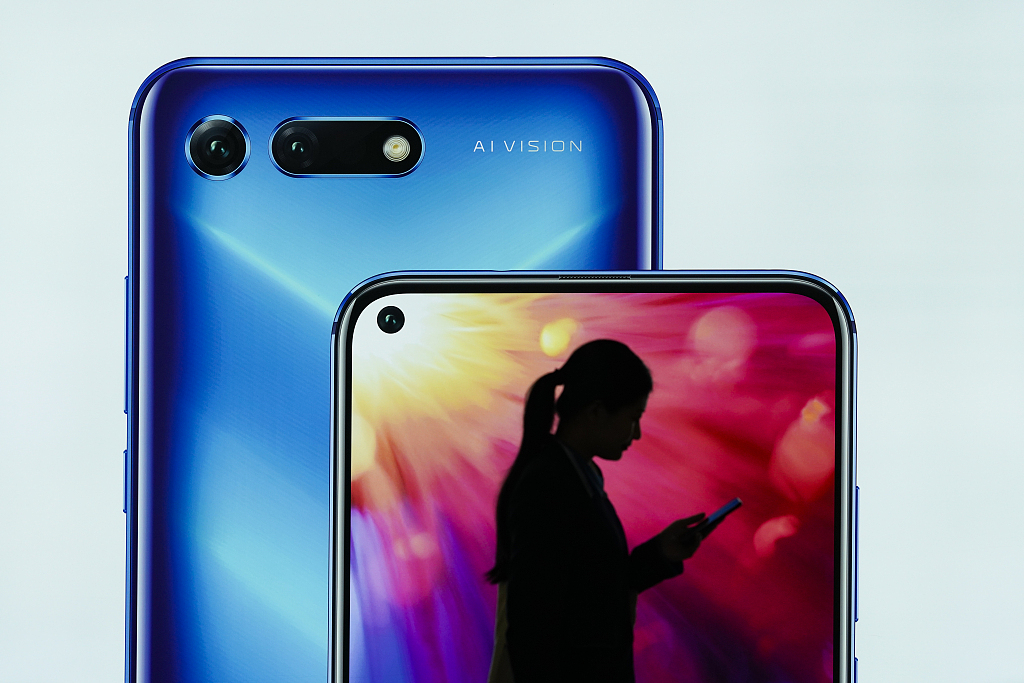
Pedestrians pass in front of a giant advertisement lightbox for Huawei's P20 smartphone at Shenzhen airport, February 28, 2019. /VCG Photo
Pedestrians pass in front of a giant advertisement lightbox for Huawei's P20 smartphone at Shenzhen airport, February 28, 2019. /VCG Photo
More and more Chinese companies establish their footprint worldwide simultaneously, and they don't wait to become giant in China before expanding to other countries as the Chinese companies used to do. From the first day, they mark themselves globally, and the expansion of brands is quicker. Strongly entrepreneurially-driven Chinese companies show their ambitions on the world stage.
The way for Chinese brands to go internationally is still rocky, and they are far from hitting the ceiling. Many obstacles remain ahead for Chinese brands. The overall awareness of Chinese brands is still low compared with western brands, especially in the mature and developed countries. Trust of Chinese brands needs to be improved.
Many younger generations outside China begin to choose Chinese brands, but they still have a concern about information transparency and lack of emotional connection with Chinese brands. Chinese brands need to communicate with them in better ways. Digital marketing has increasingly become the main way for overseas consumers to understand Chinese brands. The role of social media is particularly evident in emerging market countries.
As late Chinese leader Deng Xiaoping said: "We should have our own flagship products and establish our own world-renowned brands, or we will be bullied by others." Chinese brands are being more self-confident on the world stage and adopt a long-term outlook on global brand-building. It takes time and brands are not built overnight.
(If you want to contribute and have specific expertise, please contact us at opinions@cgtn.com.)