
World
13:11, 24-Jul-2018
Trillions of dollars lost by not educating girls – report
Updated
12:58, 27-Jul-2018
 ["africa","other","Latin America"," Asia"," Middle East"]
Share







Copied
A staggering 132 million girls or so around the world between the ages of six and 17 are not in school.
And the fact that so many are deprived of a proper education translates into trillions of dollars in lost lifetime productivity and earnings, a new World Bank report estimates.
The problem is worse in low-income countries, where less than less than two-thirds complete their primary education and only one in three complete lower secondary school.
The report sets out ways in which the lives of women are enhanced in such areas as earnings and standard of living, fertility and health as a result of adequate schooling.
"Women with primary education (partial or completed) earn only 14 to 19 percent more than those with no education at all, " it says. "By contrast, women with secondary education may expect to make almost twice as much, and women with tertiary education almost three times as much as those with no education."
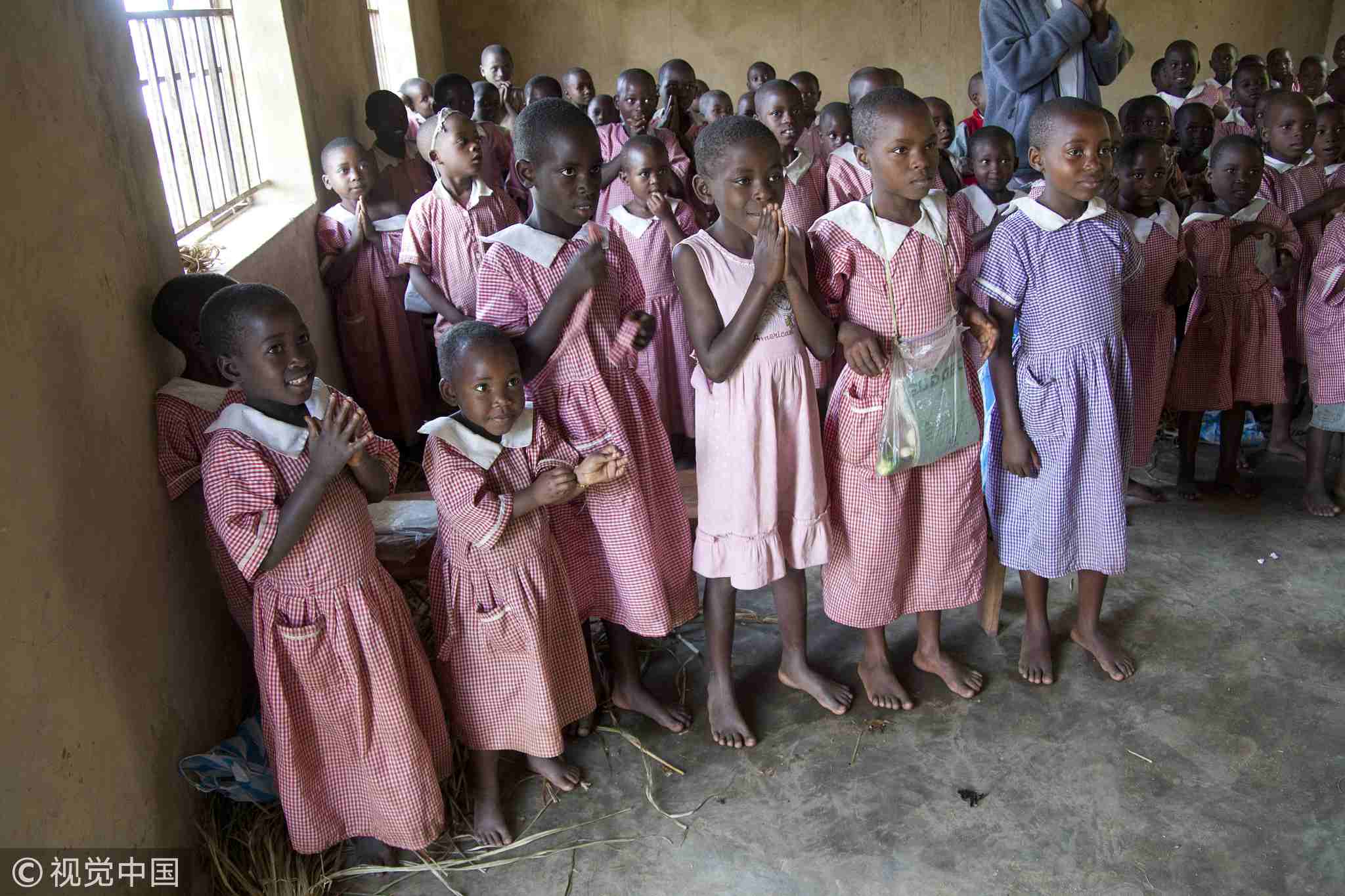
The report acknowledges that substantial progress in the education of girls has been made over the last two decades, but says there is still much more to be done. /VCG file photo
The report acknowledges that substantial progress in the education of girls has been made over the last two decades, but says there is still much more to be done. /VCG file photo
It also says that universal secondary education could reduce total fertility by a third in the 18 developing countries analyzed, through better contraceptive use and a reduction in child marriage.
Each additional year of secondary education is associated with lower risks of marrying as a child and having a child before age 18 by six percentage points on average, according to the report.
Better education also improves decision-making in such areas as health and household matters.
In effect, it makes girls more likely to actively participate in their communities when they become women.
“We cannot keep letting gender inequality get in the way of global progress,” World Bank CEO Kristalina Georgieva was quoted as saying on the release of the report. “Inequality in education is yet another fixable issue that is costing the world trillions. It is time to close the gender gap in education and give girls and boys an equal chance to succeed, for the good of everyone.”
The report actually estimates that the limited educational opportunities for girls unable to complete universal secondary education cost countries between 15 and 30 trillion US dollars in human capital wealth.
More needs to be done
"The higher estimate is based on current benefits from higher educational attainment," the World Bank explains. "The lower estimate considers a scenario in which the educational expansion could reduce by as much as one half the benefits from higher educational attainment."
"This could happen if the economy fails to grow at a rate that can generate sufficient jobs to absorb the more educated women entering the labor market, and/or if the educational expansion were to negatively affect education quality due to the lack of adequate investments in inputs required to ensure learning."
The report acknowledges that substantial progress in the education of girls has been made over the last two decades, but says there is still much more to be done as they still have on average lower levels of educational attainment than boys in many countries, especially at the secondary and tertiary levels.
"Investing in proven programs and policies will be key to ensure a better future for girls and enable countries to fulfill their development potential," it says. "This makes economic sense. It is also the right thing to do."
More broadly, under the United Nations Sustainable Development Goals, countries have pledged to ensure that by 2030 all girls, as well as boys, complete "free, equitable and quality primary and secondary education leading to relevant and effective learning outcomes." At current rates of progress, many countries are unlikely to achieve this target, the report says.
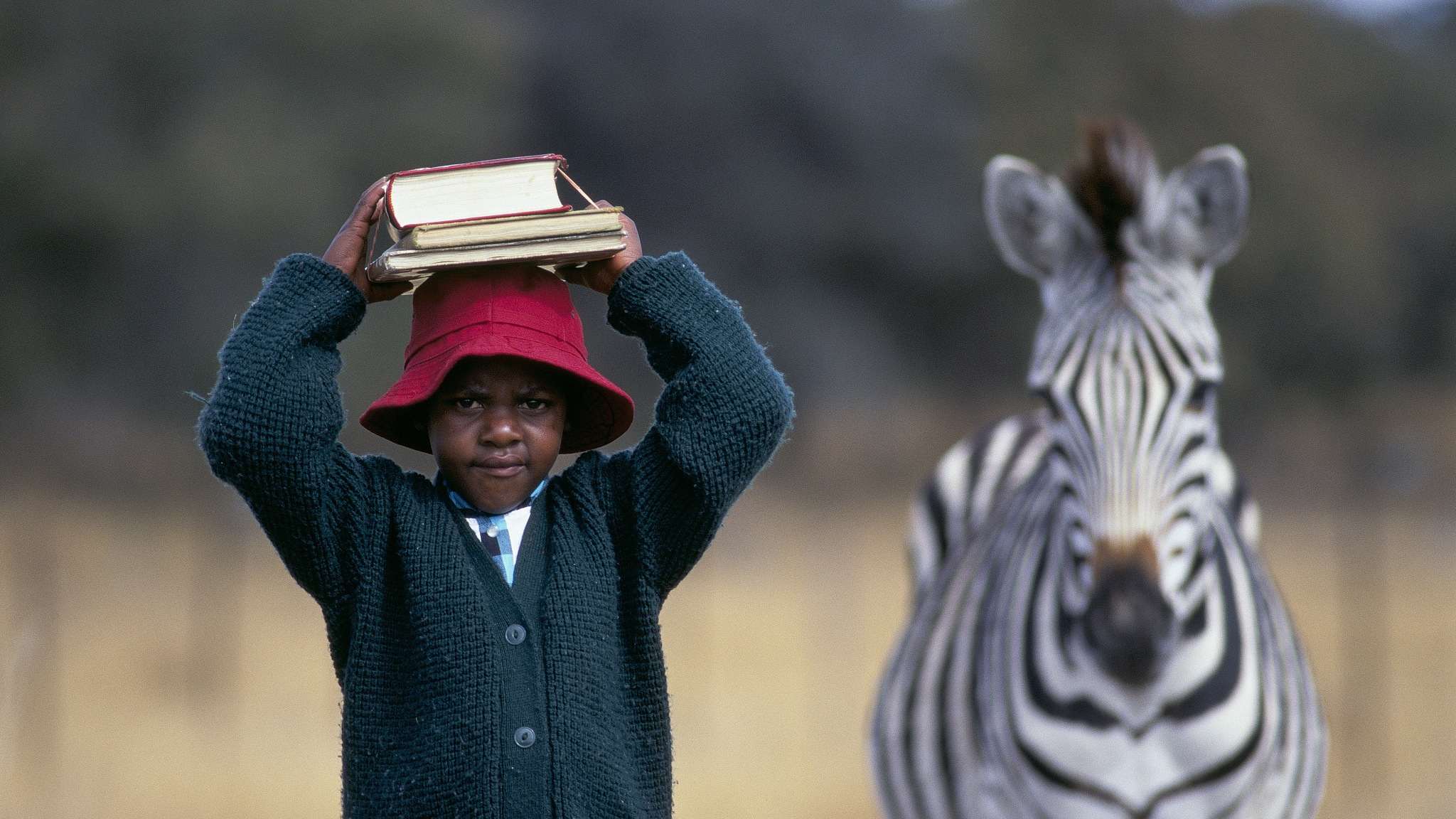
(Top photo: Schoolgirl meets zebra near Harare, Zimbabwe. /VCG file photo)