
Business
09:50, 18-Oct-2018
Federal Reserve expected to defy Trump with further rate rises
Updated
08:54, 21-Oct-2018
 ["north america"]
Share






Copied
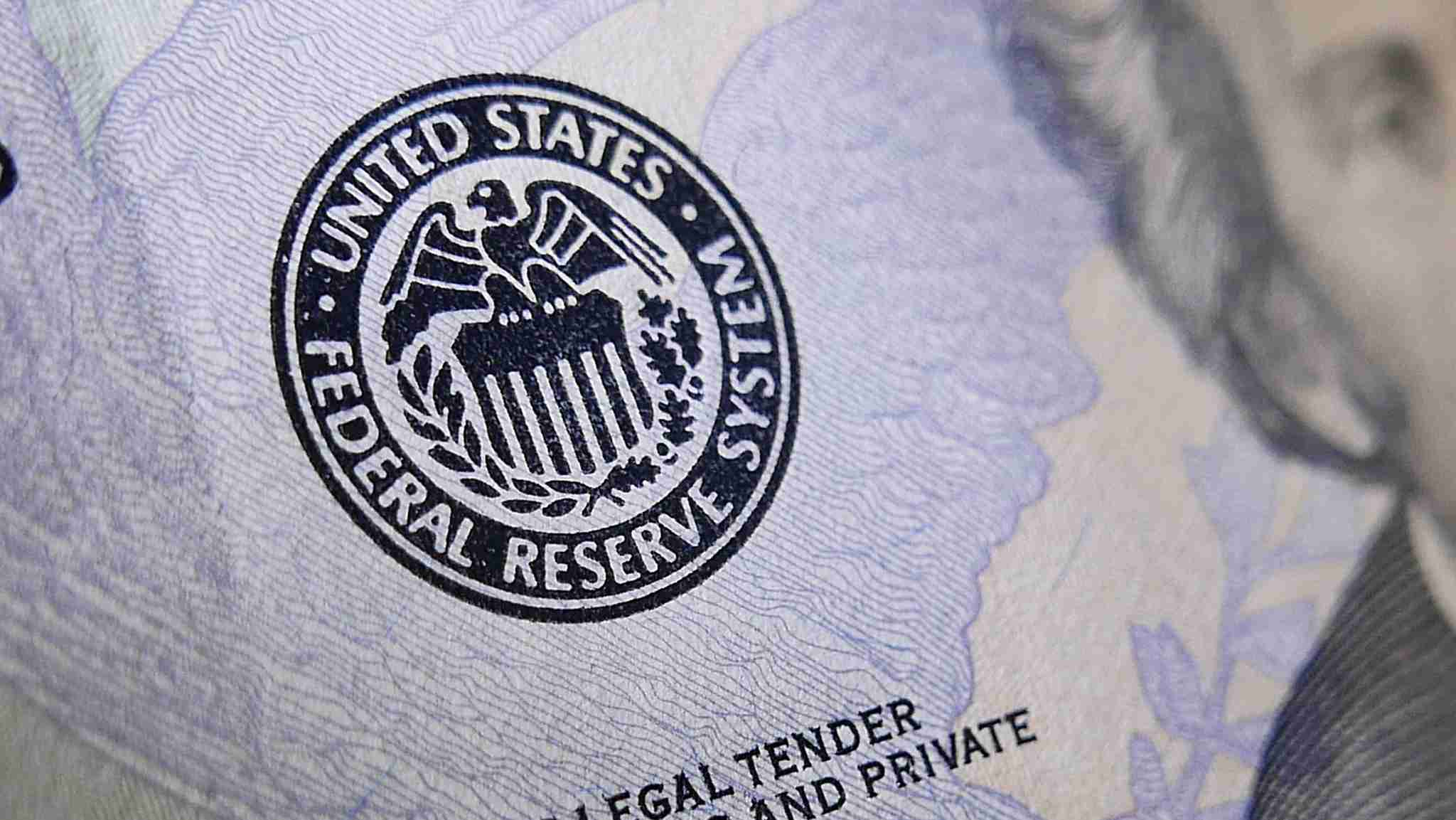
The US Federal Reserve is set to defy criticism from Donald Trump by further increasing interest rates, despite the US president calling the central bank his "biggest threat" earlier this month.
Every Fed policymaker backed the central bank's
September decision to raise the target policy rate to between 2
percent and 2.25 percent, according to minutes of the September 25-26 meeting published Wednesday.
Participants in the Fed's rate-setting committee
also "generally anticipated that further gradual increases" in short-term
borrowing costs "would most likely be consistent" with the kind of continued
economic expansion, labor market strength, and firm inflation that most of
them are anticipating, the minutes showed.
"This gradual approach would
balance the risk of tightening monetary policy too quickly, which could lead
to an abrupt slowing in the economy and inflation moving below
the Committee's objective, against the risk of moving too slowly, which
could engender inflation persistently above the objective and possibly
contribute to a build up of financial imbalances," the minutes said.
US stocks closed slightly lower and US Treasury yields gained a bit as traders
continued to bet on further rate hikes ahead.
Trump told Reuters in August he was "not thrilled" with Fed Chair
Jerome Powell for raising interest rates, and has since escalated his
criticism, this week saying the central bank is his "biggest threat," and
last week calling the Fed "crazy," "loco," "ridiculous," and "too
cute."
Though the minutes did not refer to any of Trump's criticism, its
message of further rate increases suggests that policymakers are not fazed by
it.
The
broadly united front could bolster expectations the central bank will raise
rates a fourth time this year in December, but the minutes also show the
committee remains split on how much further to raise rates next year.
The US economy has been growing
more quickly this year than many economists believe is possible without
generating higher inflation, with the jobless rate at its lowest level
in decades.
Source(s): Reuters