
Opinions
16:01, 27-Sep-2018
Opinions: Finding the innovation edge
Updated
15:16, 30-Sep-2018
 ["china"]
Share







Copied

Editor's note: John Kao is the founder and executive chairman of EdgeMakers and a former professor at Harvard Business School (1982-1996), where he specialized in innovation and entrepreneurship. The article reflects the author's opinions, and not necessarily the views of CGTN.
These days, countries around the world are racing for the high ground of innovation.
For example, China has become a major player on the global innovation stage as it invests heavily in AI leadership and makes the transition from "Made in China" to "Created in China." Being innovative is seen as the key to economic and social progress, the way to find an "edge" in an uncertain world.
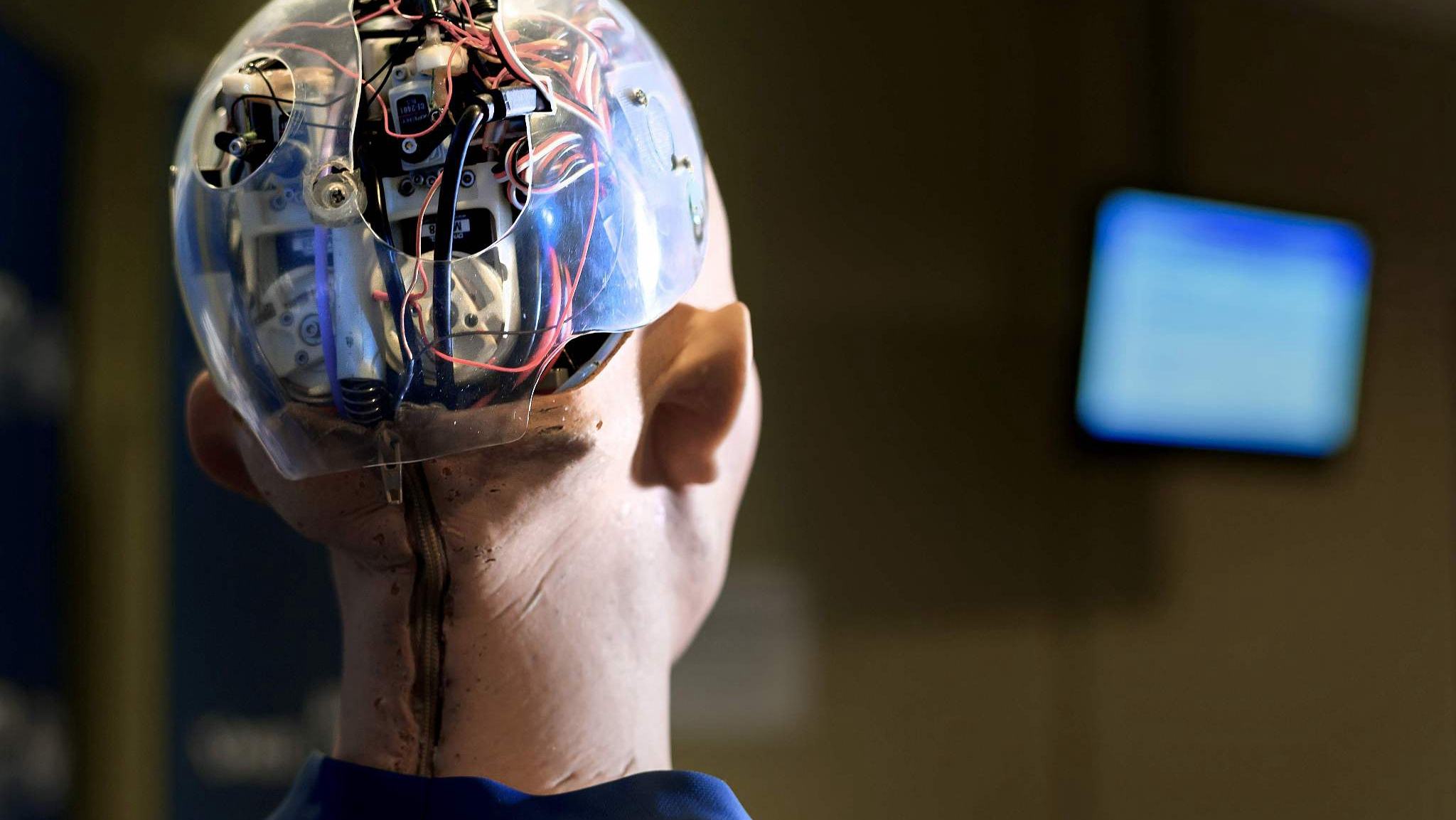
"Sophia", a human-like robot developed by Hong Kong-based humanoid robotics company Hanson Robotics is pictured during the "AI for Good" Global Summit hosted at the International Telecommunication Union (ITU) on June 7, 2017, in Geneva. /VCG Photo
"Sophia", a human-like robot developed by Hong Kong-based humanoid robotics company Hanson Robotics is pictured during the "AI for Good" Global Summit hosted at the International Telecommunication Union (ITU) on June 7, 2017, in Geneva. /VCG Photo
Yet there are some fundamental gaps in our collective understanding of "how" innovation should work at a societal level. These days, innovation is in danger of being oversold at the same time that it is desperately needed to address the complex challenges that face global civil society.
In years to come, our knowledge about how to practice innovation will need to grow significantly, particularly in light of the demands of what the World Economic Forum calls the "Fourth Industrial Revolution," an era of dramatically increased technological complexity and societal uncertainty.
We want innovation to help us, but the current state of the art is fragmented and incomplete. Innovation has equated with the psychology of "creative habits," a makerspace, the ability to think like a designer, or how to emulate a favorite entrepreneurial role model.
Innovation is thought to come from wacky ideas sessions, a lean startup workshop, design thinking charrettes and brainstorming sessions. It's fair to say that we lack clear, generally accepted definitions of innovation that set the agenda for meaningful action.
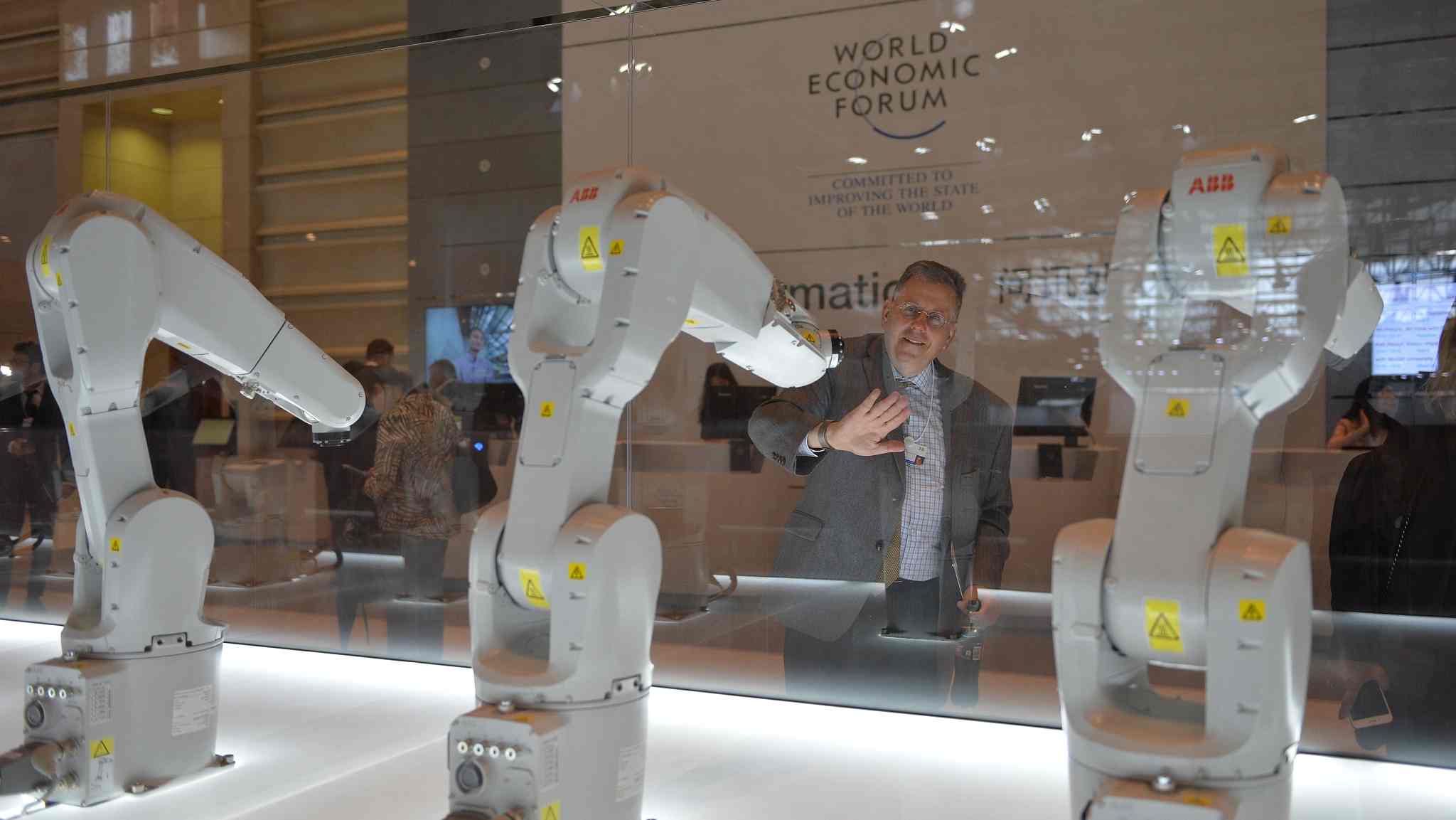
AI tech show at the Summer Davos Forum on September 18, 2018, in Tianjin, China. /VCG Photo
AI tech show at the Summer Davos Forum on September 18, 2018, in Tianjin, China. /VCG Photo
And the confusion is even greater around how to do innovation. We lack alignment around and understanding of the capabilities, learning models, best practices, standards and stewardship approaches needed to get to the next wave of innovation -- what I optimistically call Innovation 2.0.
Far from being "all done," we are at best five minutes into the innovation "movie." It's time to bring innovation to innovation. More to the point, it's time to ask what innovation wants from us, what we can do to realize the promise of innovation. We need to rescue innovation from cliches and parochial thinking, from being just another fad; the managerial "new black."
Instead, we need to cultivate learning, understanding and practice regarding innovation to move it in the direction of a teachable, learnable discipline. We need to close the gap between "getting" innovation and getting innovation "done."
The upside? An infinitely renewable source of solutions for a world in turmoil.The downside? Failed expectations and limited results.
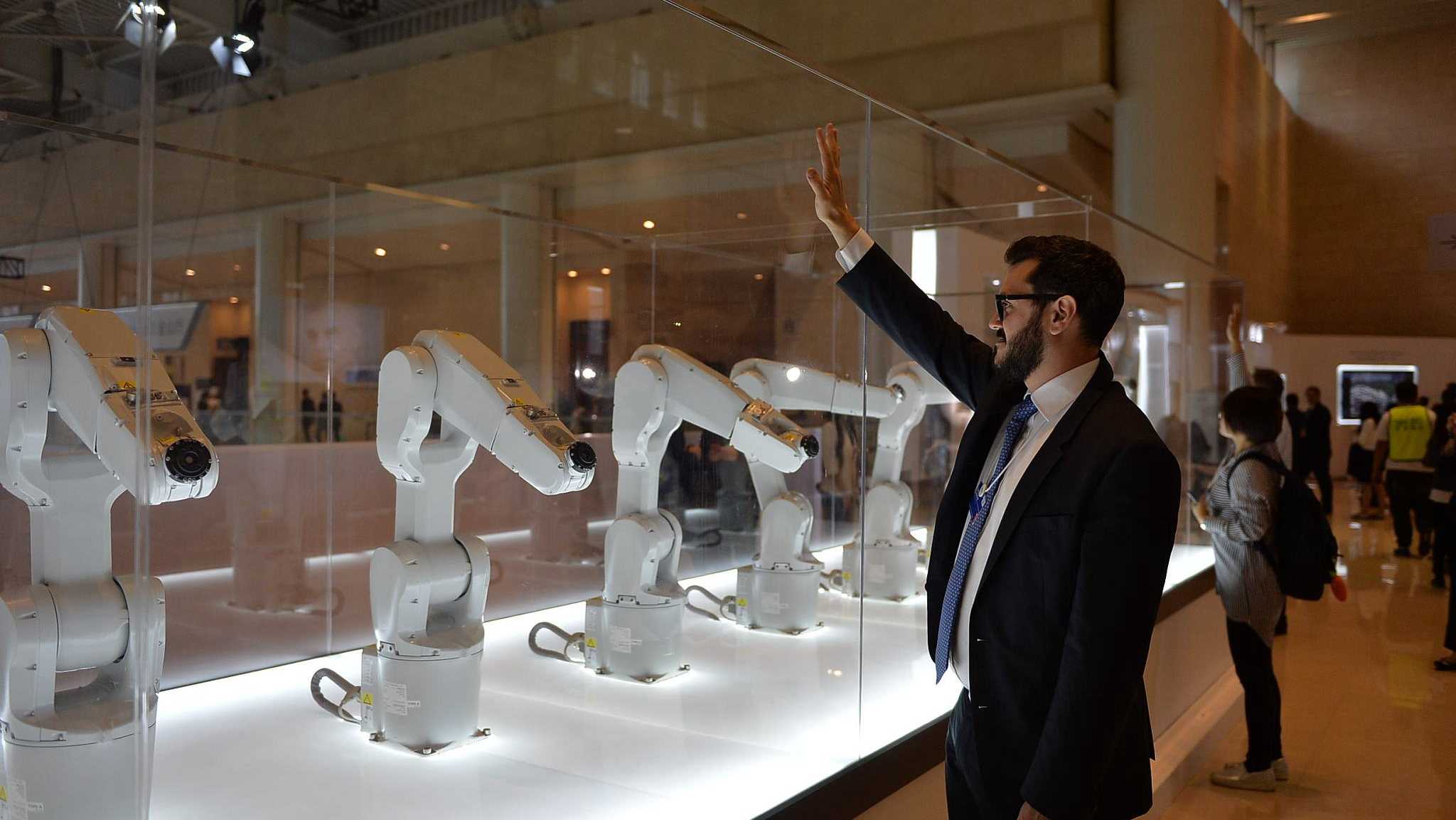
AI tech show at the Summer Davos Forum on September 18, 2018, in Tianjin, China. /VCG Photo
AI tech show at the Summer Davos Forum on September 18, 2018, in Tianjin, China. /VCG Photo
In what follows, I will address three issues that must be addressed if innovation is to fulfill its potential.
First, innovation needs to be rescued from being a mere bumper sticker or feel good exhortation to "be more creative." We need clarity about what innovation is and isn't. Webster's Dictionary defines innovation as "creativity applied to some purpose to realize value."
My own definition sees innovation as "a portfolio of capabilities (applying to the individual, group, organization or society) that enables the continuous realization of a desired future."
Second, if innovation is about relevant capabilities, how should we go about developing them? Investment, time and practice are required. For example, if you want to play the piano, you need to sit at a piano and practice.
Similarly, skill at innovation doesn't come from reading a book or hearing a lecture; there are no quick fixes. No amount of PowerPoint or white papers contain the capabilities needed to do innovation in a meaningful and sustained way. But how do you learn and practice these capabilities?
Third, this leads to the observation that innovation originates with people. As I like to say, if you want innovation, you need people who know how to do it. And if you want people who know how to do it, you have to help them learn how to do it.
These days, the world of employment is in turmoil. New entrants into the workforce can expect to have multiple jobs in areas which have not been invented yet. Education here is both the problem as well as the potential solution.
The institution of education as we know it today is for the most part rooted in an industrial era that prizes standardization and testing. While employers seek creative, entrepreneurial talent who can thrive in uncertainty, most schools continue to prepare students for a world that is rapidly disappearing.
We need to bake a set of what I call the "new fundamentals" into the way we teach the young. The discipline of innovation requires diverse capabilities. An innovator has to know how to generate and develop ideas.
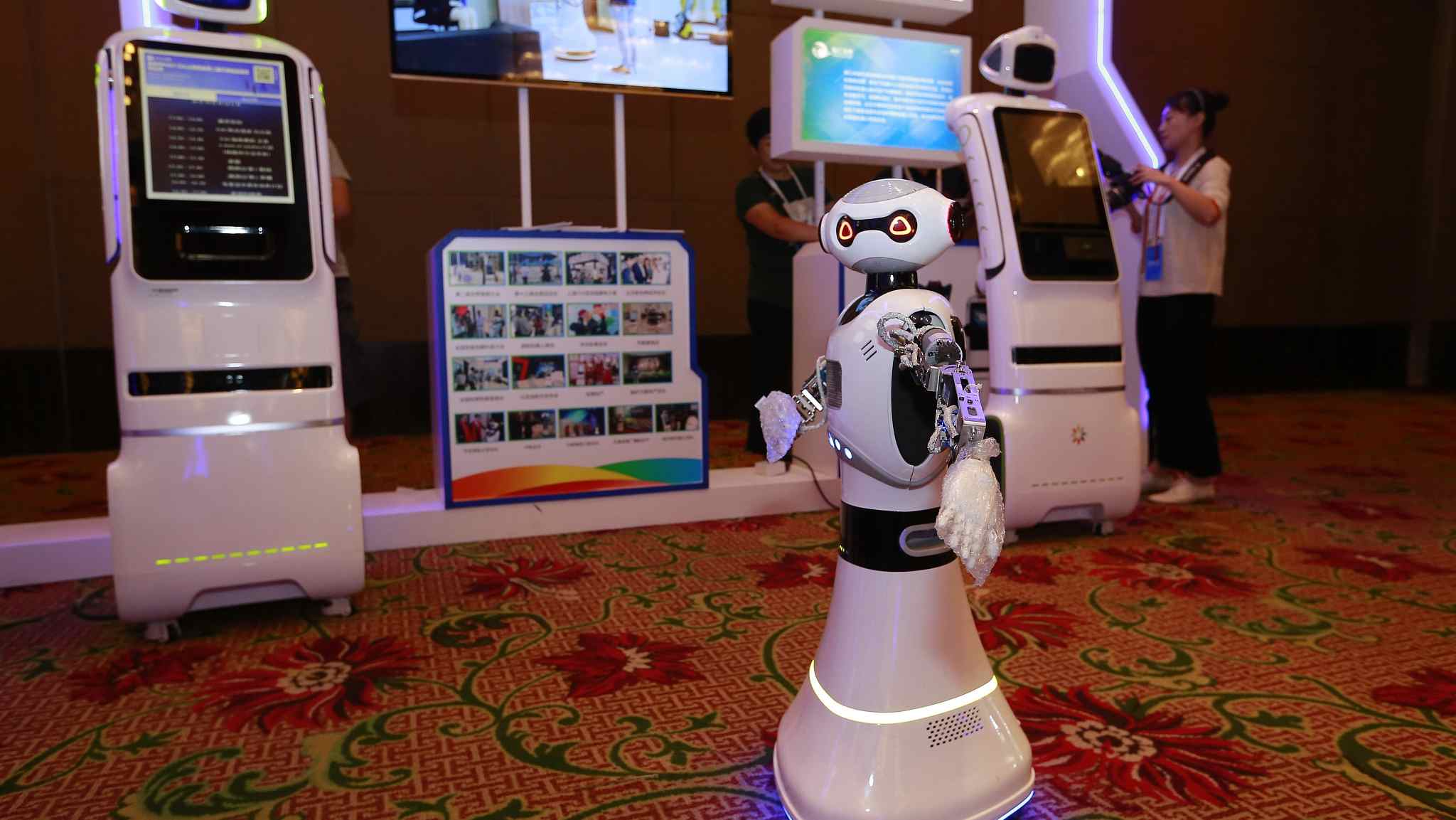
Robots are displayed at the 9th (Binhai Tianjin) International Eco-City Forum & China International Summit on Innovation of Digital Economy on September 7, 2018. /VCG Photo
Robots are displayed at the 9th (Binhai Tianjin) International Eco-City Forum & China International Summit on Innovation of Digital Economy on September 7, 2018. /VCG Photo
He or she needs to be a skilled storyteller and able to make ideas influential. He or she must be an excellent collaborator with the character, communication and capacities to inspire others. He or she must be digitally fluent and possess the entrepreneurial skills to launch his or her ideas.
He or she must have essential cognitive capacities as well: the ability to clearly define a problem as a point of departure; the ability to suspend judgment and tolerate contradictions and paradoxes; the ability to break apart ideas (divergent thinking) as well as bring them together (convergent thinking); and the facility to arrive at a tangible result and then recommission the innovation journey.
As disruption accelerates, the potential for meaningful transformation increases as does the need for innovation on behalf of all of us. We have no time to waste, but must strive to transform innovation into a genuine discipline that will fulfill its potential to transform the way we live.
(If you want to contribute and have specific expertise, please contact us at opinions@cgtn.com.)