
Business
17:47, 01-Oct-2018
US consumers reap what trade tariffs have sown
Updated
17:05, 04-Oct-2018
 ["north america"]
Share







Copied
00:46
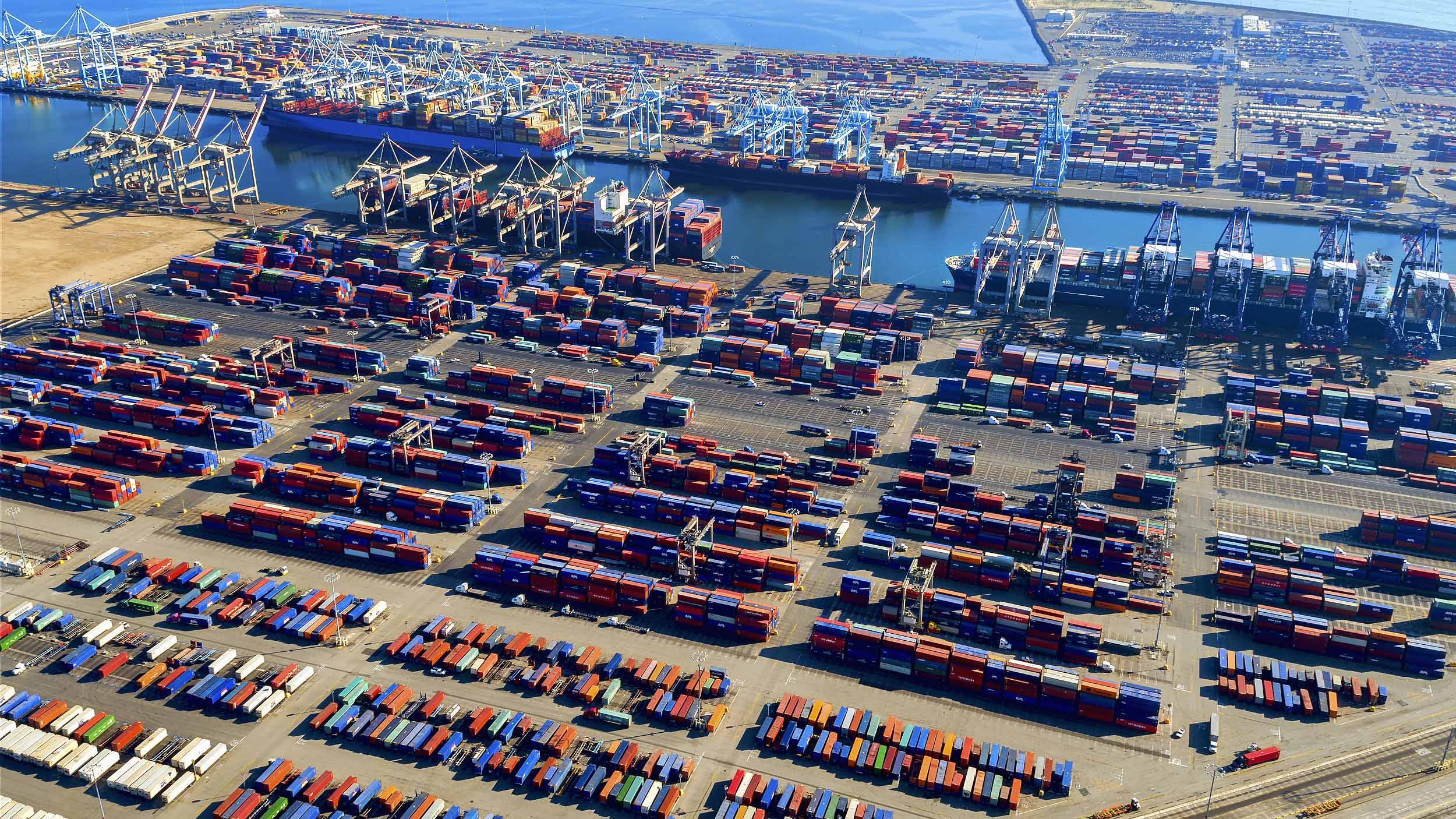
A new preliminary report shows that the United States' trade deficit in goods widened for the third consecutive month in August and was edging close to the record high of 76 billion US dollars in July 2008, according to the US commerce department.
China's retaliatory tariff is the main issue seeping into US exports. The report showed that US exports fell 1.6 percent since American food, feed and beverage exports to China tumbled 9.5 percent last month.
02:52
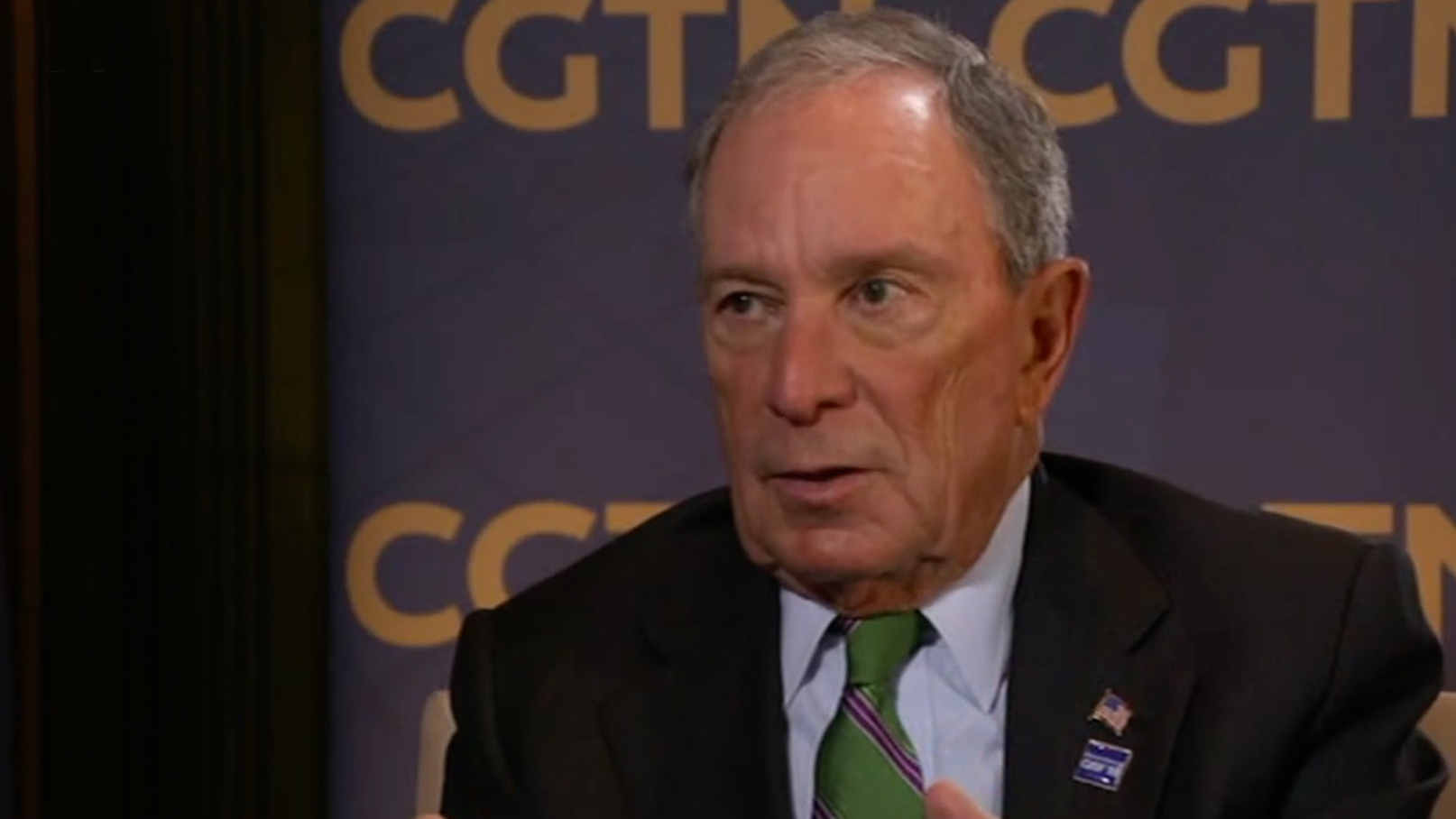
Former New York mayor and business leader, Michael Bloomberg, noted that initiating a trade war to settle the issue is not only hurting the US' reputation but also its consumption. He said, “In terms of the economy, this is just hurting America. We are the country that thrives on free trade… the mistake, I think, it was made in America.”
China's Overseas Direct Investment released a report showing China investing more than 158 billion US dollars overseas last year, and down more than 19 percent year-on-year. Meanwhile, more investments flowed to Europe, Africa and countries along the Belt and Road region.
Michael Bloomberg added, “They (Chinese) are going to buy domestic products, and our consumers are going to pay more.”
04:40
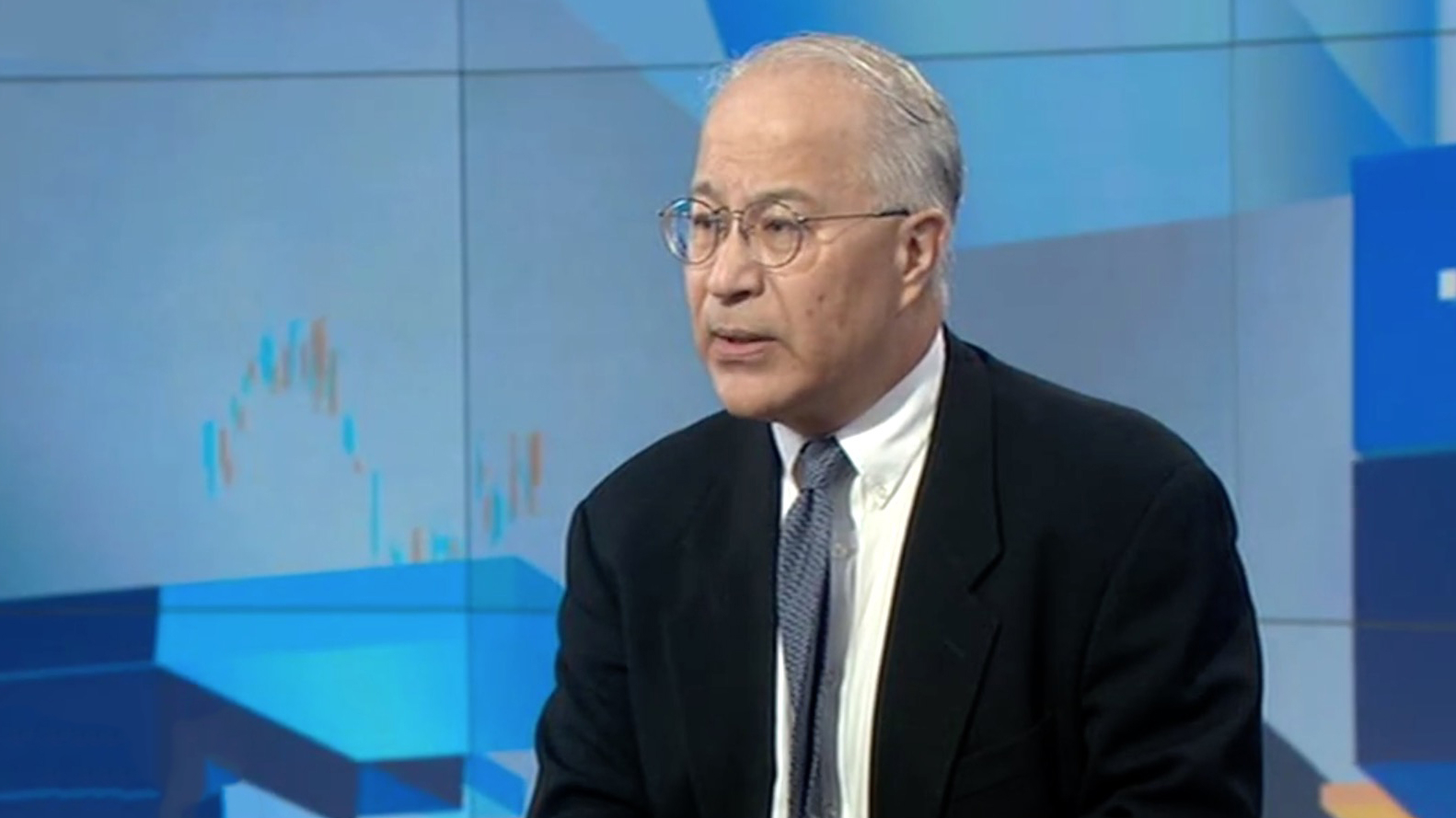
Meanwhile, current affairs commentator Einar Tangen commented that full-blown trade tension drives uncertainty. “More people would not be investing, and they are sitting on their hands. They do not know where they should put their next investment. And those uncertainties are going to hurt the world economy.”
However, it could be good timing for China to develop its own market as the US closes its doors.
“I think China will probably look at this situation, and say we have Belt and Road, we have RCEP, there would be areas where we can develop a new market, and we could put investment in, and create a global shared economy,” Tangen said.