
TV Show
16:09, 20-Mar-2019
Is white supremacy on the rise?
 ["china"]
Share







Copied
01:34
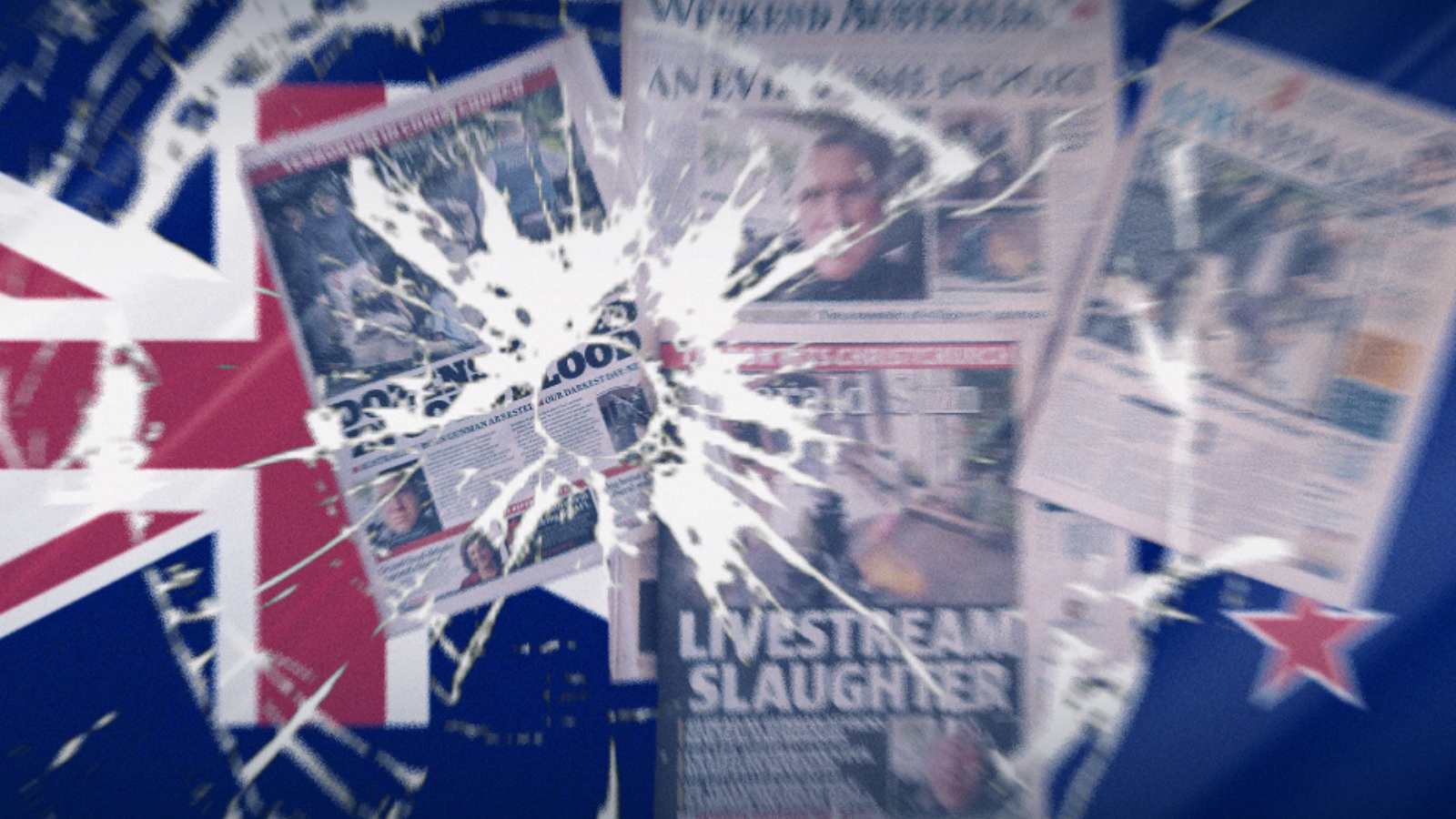
On March 15, a 28-year-old Australian man carried out a terrorist attack on two mosques in Christchurch, New Zealand. At least 50 people were killed and many more injured. The suspect, who describes himself as a white supremacist, was arrested and charged with murder by New Zealand police.
The Christchurch mosque massacre was the deadliest attack targeted at Muslims in the West in modern times. As people across the globe mourn, questions have been raised about why there is such a deep hatred against Muslims and immigrants in New Zealand, which is known for its multiculturalism. Given the very low levels of gun violence in New Zealand, why was this time so different?
David Mahon, the Executive Chairman from Mahon China Investment Management, said that this event is unprecedented and we could see it as an isolated event. However, some politicians in New Zealand used to play a role that may mislead the media and its people.
Winston Peters, the deputy prime minister of New Zealand, gave a speech in the wake of London Bridge Attacks in 2017, urging Muslims to turn in potential terrorists. As a result, he transmitted Islamophobia into the public, so in that sense, this radical thought is nurtured in New Zealand.
Rick Dunham a visiting scholar from Tsinghua University added that white nationalists not only target Muslims, they also hate immigration in general. But one thing is for sure, Islam's image is not good in the media, from the terrorist attacks on September 11, 2001, to the establishment of Islamic State of Iraq and the Levant (ISIL). Muslims are often demonized by the Western media and they often play the bad guy in many movies.
00:43
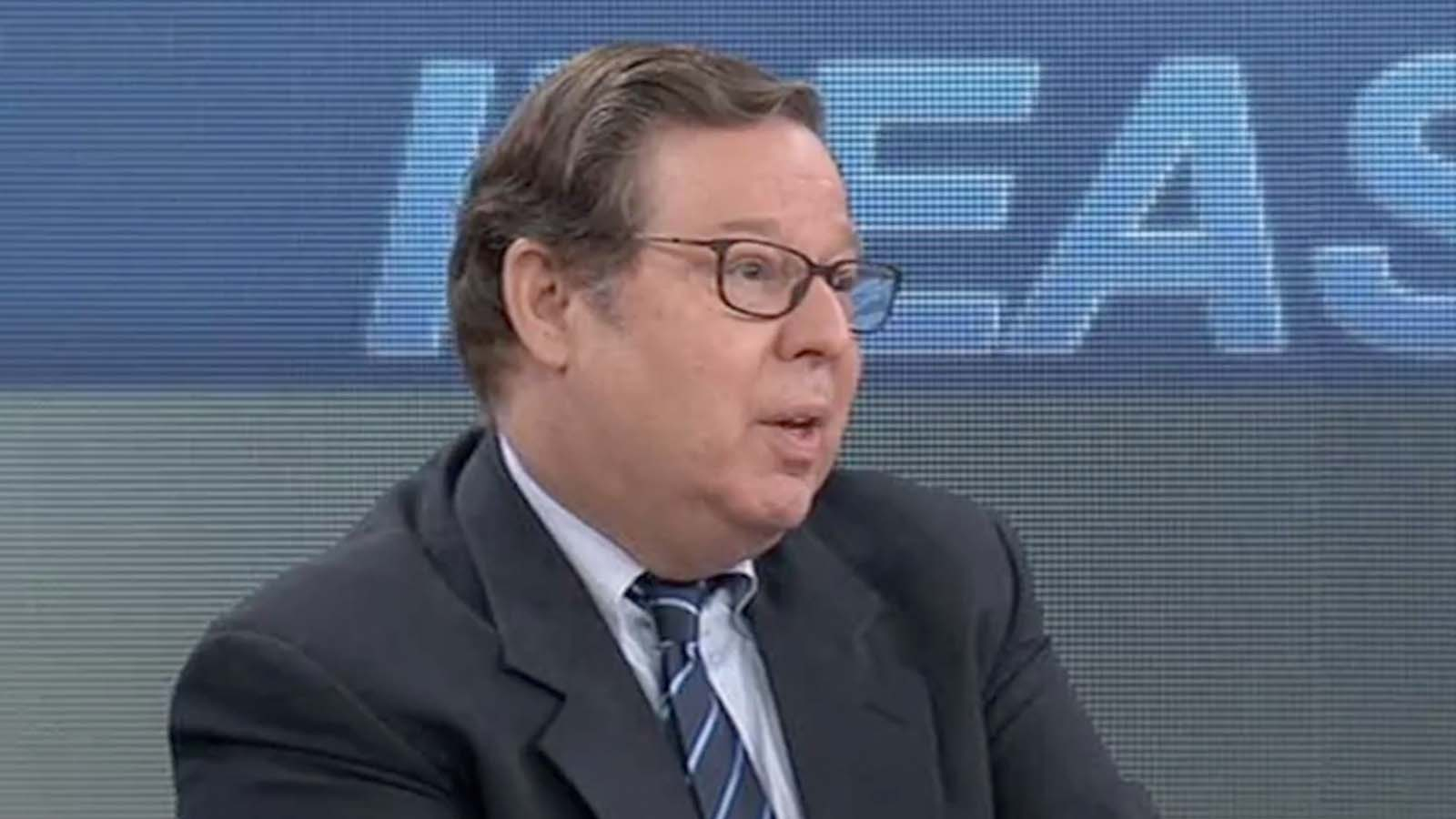
“But if you think the number of atrocities in America, 80 percent of the them are committed by domestic Americans,” said David Mahon. Although the objective numbers are there, people still judge and fear Muslims subconsciously. “Islamophobia is not just 9-11, it was hundreds of years old, it was actually part of the identity of European Christians, my forebears, they thought as a fact that these people (Muslims) are wrong, so it is quite a deep thing,” Mahon told CGTN.
01:23

When talking about the rise of white supremacy, Rick Dunham said that there are two factors. “One is the triumph of populism and the legitimizing and empowering of haters who were afraid to express themselves publicly,” he said. Dunham used the Charlottesville rally in August 2017 as an example, pointing out that U.S. President Donald Trump refused to condemn the members of the alt-right. Instead, Trump said, "I think there is blame on both sides." “Second is the social media and internet allowing them to communicate with a like-minded community safely, and a lot of anger and radicalization come from that,” Dunham told CGTN.
00:50

(If you want to contribute and have specific expertise, please contact us at opinions@cgtn.com.)