
Health
11:46, 25-Sep-2018
French vaccine skepticism a health hazard
Updated
11:28, 28-Sep-2018
 ["china"]
Share







Copied
02:19
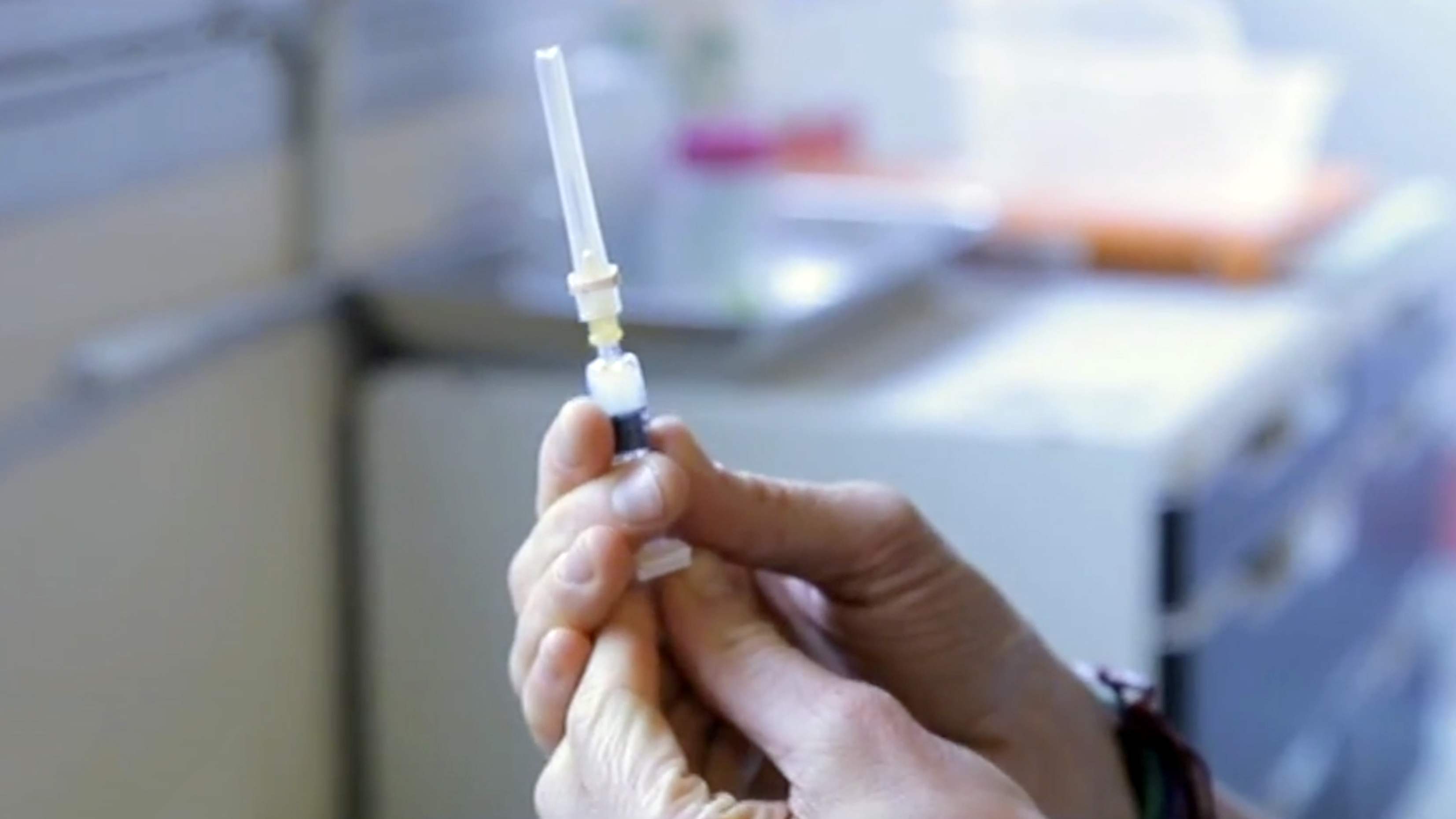
A measles epidemic has hit Europe with over 40,000 adults and children affected in the first six months of this year and more than 40 people killed. Measles causes skin rashes and flu-like symptoms. The virus spreads through coughing and sneezing.
Nine countries, including Iceland, Norway, Luxembourg and Slovenia, reported zero cases, according to the European Centre for Disease Prevention and Control that collects all the data in Europe.
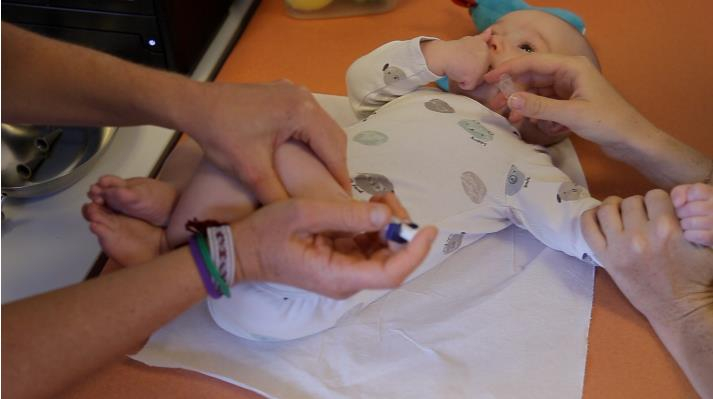
A baby in a French vaccination center. /CGTN Photo
A baby in a French vaccination center. /CGTN Photo
Measles continues to spread across Europe because vaccination coverage in most European countries remains sub-optimal.
Dr. Eric Caumes, the professor of Infectious Diseases at the Pitié-Salpêtrière AP-HP Hospital in Paris thinks that this epidemic could have been avoided. “Dying of measles today in a so-called developed country is scandalous. It's even more exasperating because prevention is extremely simple. We have a very, very effective vaccine, which can be administered very easily.”

Dr. Caumes, the professor of Infectious Diseases, La Pitié-Salpêtrière AP-HP in Paris. /CGTN Photo
Dr. Caumes, the professor of Infectious Diseases, La Pitié-Salpêtrière AP-HP in Paris. /CGTN Photo
The World Health Organization advises adults and teenagers who don't already have had the measles to get the vaccination as soon as possible.
In Italy and France however, there is a growing lack of trust in vaccines. There are several reasons for this.
“It really started in 2009 with the pandemic flu vaccination campaign, which was a big fiasco in France. This led to a rise in debate and controversies about vaccination. Today, patient groups and environmental organizations, focusing on the use of aluminum and conflicts of interest, are contributing to a climate of doubt,” explained sociologist Jeremy Ward.

Children playing in a vaccination center in Paris. /CGTN Photo
Children playing in a vaccination center in Paris. /CGTN Photo
Additives aim to boost the immune response but are sometimes blamed for severe side effects. France still has the highest number of vaccine skeptics in the world, 45 percent according to a 2016 study, while the global average is 13 percent.
To fight the low levels of vaccination, the French government made vaccination against all kinds of infectious diseases, including measles, obligatory for all babies born after January 1 of this year.