
Picture
12:34, 22-Aug-2018
Italian scientists use bacteria to recreate the Mona Lisa
Updated
11:49, 25-Aug-2018
 []
[]
Share







Copied
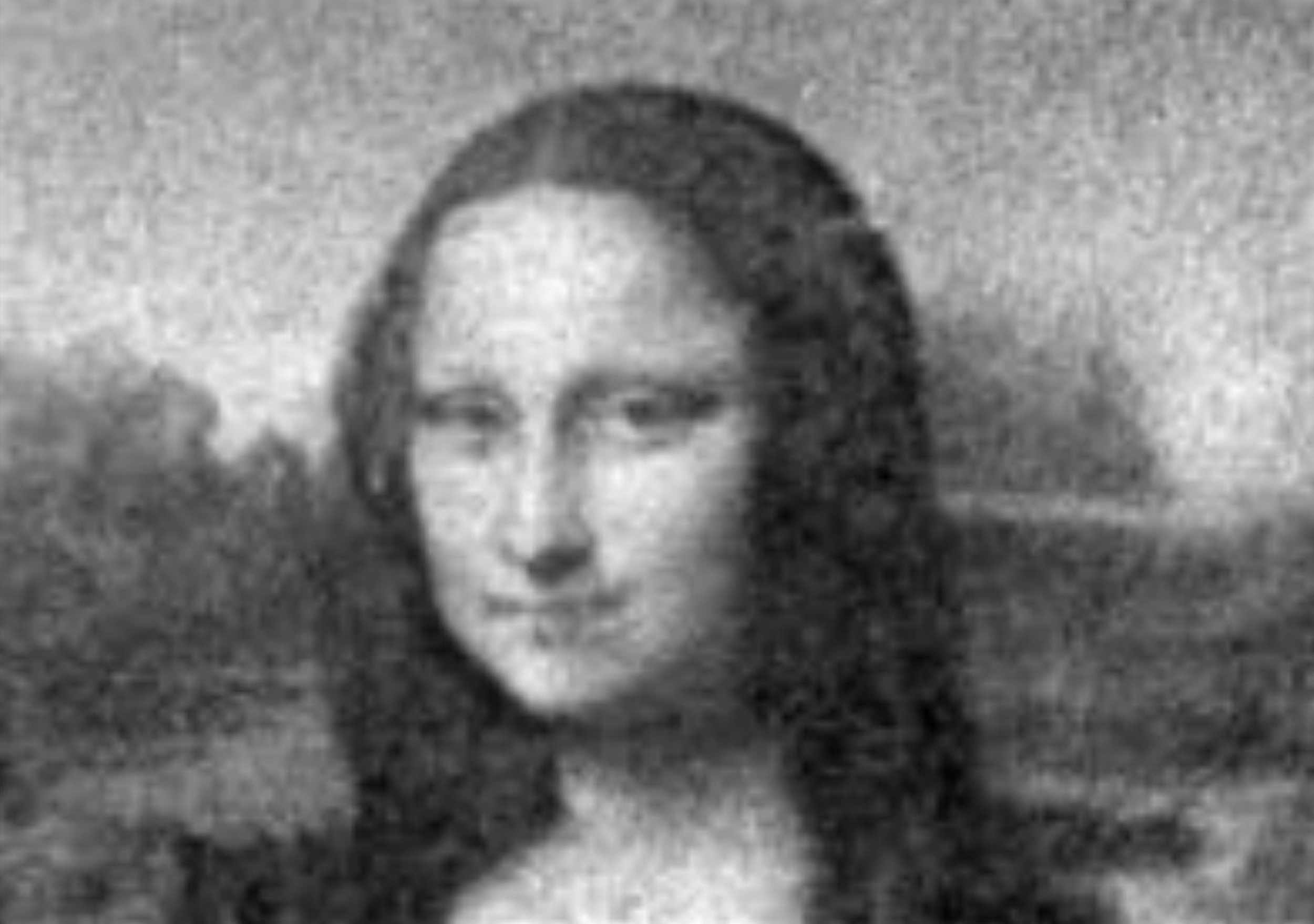
A research team from the Nanotechnology Institute of Sapienza University in Rome has used genetically-modified bacteria to recreate microscopic pieces of art, including Leonardo da Vinci’s iconic Mona Lisa. /VCG Photo
A research team from the Nanotechnology Institute of Sapienza University in Rome has used genetically-modified bacteria to recreate microscopic pieces of art, including Leonardo da Vinci’s iconic Mona Lisa. /VCG Photo
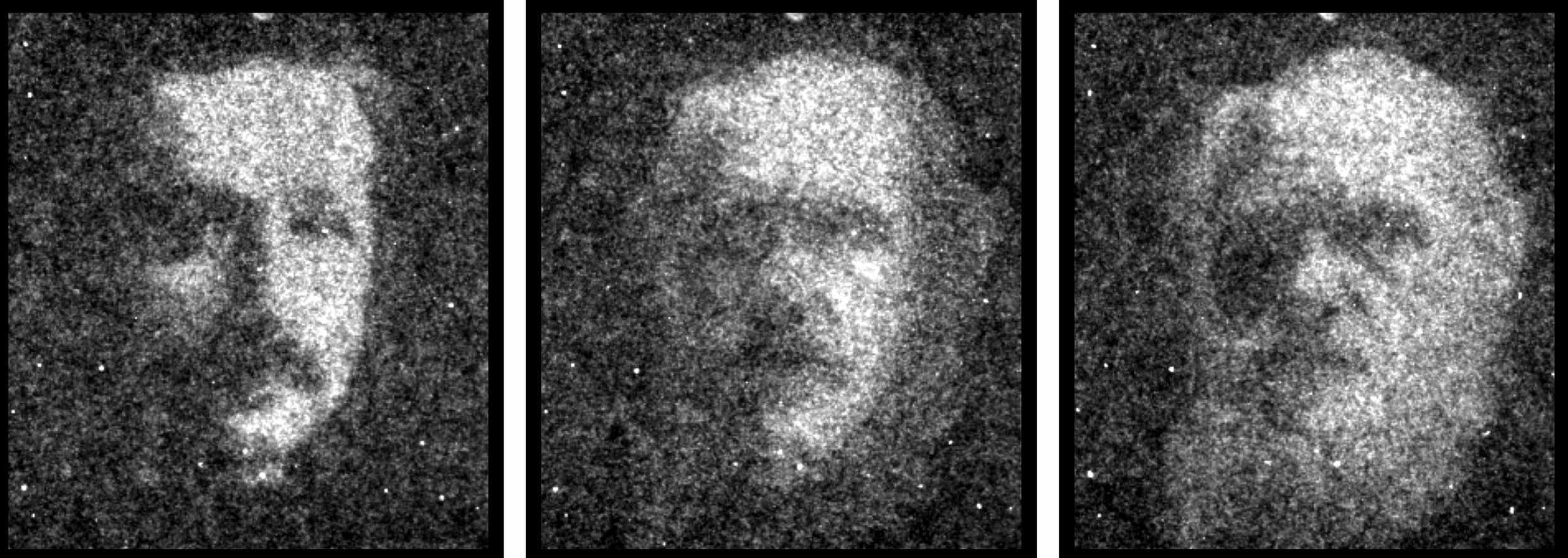
The scientists used light to direct the movements of the bacteria to “draw” the portraits. One day, they believe they will be able to move large amounts of bacteria by using this method. /VCG Photo
The scientists used light to direct the movements of the bacteria to “draw” the portraits. One day, they believe they will be able to move large amounts of bacteria by using this method. /VCG Photo
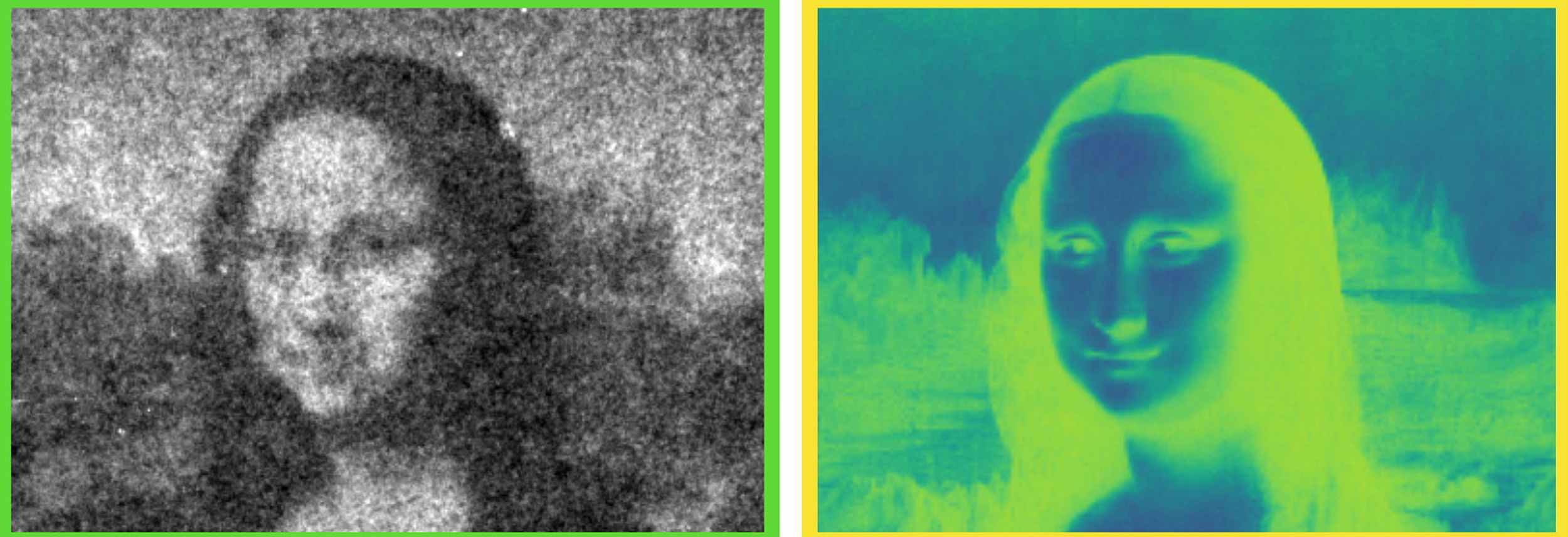
The Mona Lisa portrait was formed with one million pieces of light-sensitive E. coli. The researchers have also created portraits of two of the world’s most famous scientists: Albert Einstein and Charles Darwin. /VCG Photo
The Mona Lisa portrait was formed with one million pieces of light-sensitive E. coli. The researchers have also created portraits of two of the world’s most famous scientists: Albert Einstein and Charles Darwin. /VCG Photo