
Business
16:27, 25-May-2018
Erdogan vows to beat inflation as Turkish election campaign begins
 ["other","Turkey"]
Share







Copied
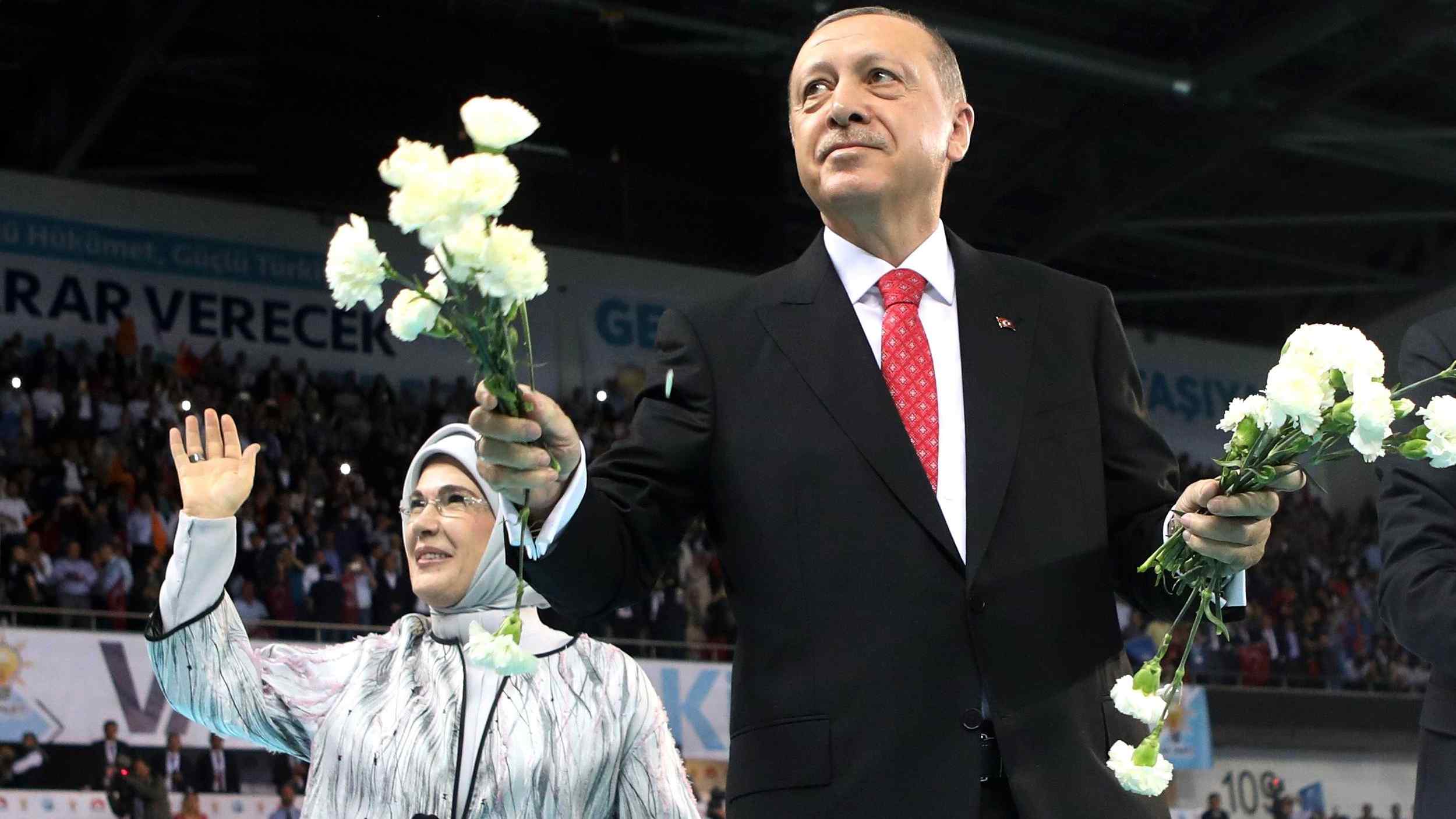
Turkish President Recep Tayyip Erdogan on Thursday pledged to resolve high inflation and turn Turkey into a high-income country, as he launched his election campaign amid growing concerns about the economy.
Unveiling his manifesto at a Justice and Development Party rally in Ankara, Erdogan said “strict measures in the fight against inflation will be taken immediately after the June 24 elections,” promising that confidence and stability would remain the “merits of our economy.”
The president gave no further details on how he would fight inflation, but has in the past voiced strong opposition to increasing interest rates.
Erdogan, who has been in power for 15 years, set a target of making Turkey a high-income country by 2023 – a difficult task given the ongoing inflation and currency woes currently battering the economy.
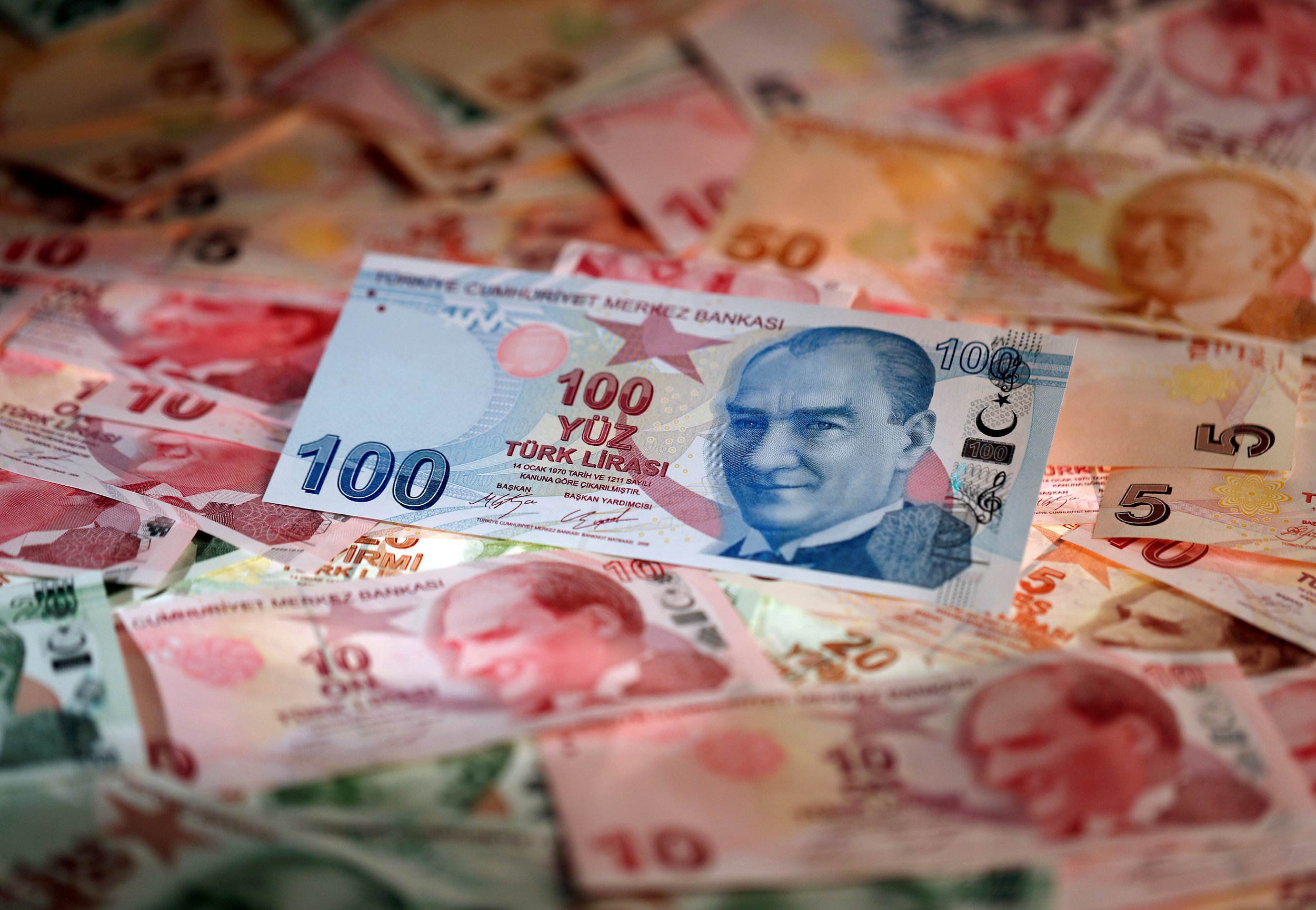
Erdogan did not mention the problems facing the lira, which has plummeted by almost 24 percent since the start of the year, making it one of the worst-performing emerging market currencies.
After calling interest rates “the mother and father of all evil” in an interview earlier this month, Erdogan has come under fire for failing to step in and halt the record drops in the lira.
On Wednesday, the central bank finally moved to increase interest rates, initiating a sharp rise from 13.5 to 16.5 percent that initially reversed the lira’s drop.
VCG Photo
VCG Photo
However, the lira again fell on Thursday by as much as four percent, with investors clearly still lacking confidence in Turkey’s economy, despite Erdogan’s term in office coinciding with strong economic growth.
Turkey’s GDP grew by 7.4 percent in 2017, but a Reuters poll of 53 economists earlier this year predicted expansion would fall to 4.1 percent this year.
Like Argentina and other struggling emerging markets, the strong US dollar and risk-averse investors have all been major factors in the lira’s slump, which in turn has increased inflation and pushed up prices.
Ignoring the advice of economists and other officials, Erdogan’s resistance to increasing interest rates – he has even suggested lowering them – has seen international investors avoid Turkey.
Ahead of the upcoming election, voters will be most concerned with the rising cost of living. Official data show food prices went up 5.84 percent between January and April, a rise which will hurt working-class voters – Erdogan’s core supporters – the hardest.
However, many of Erdogan’s supporters believe the falling lira is part of a foreign conspiracy. A recent survey by MetroPOLL saw 42 percent of respondents say “games by foreign forces on Turkey” were to blame for recent economic woes.
Twenty-five percent of those polled blamed “the government’s wrong economic policies,” suggesting the election on June 24 will again show how divided Turkish voters are over Erdogan.
An opinion poll held by MAK on Wednesday suggested Erdogan’s party and its allies would get exactly 50.0 percent in the parliamentary vote, while Erdogan himself would receive a narrow 51.4 percent majority in the presidential election.