
Opinions
17:32, 25-May-2018
Sharing or Renting: Is China’s shared economy a fluke?
 ["china"]
Share







Copied
By Laura Schmitt
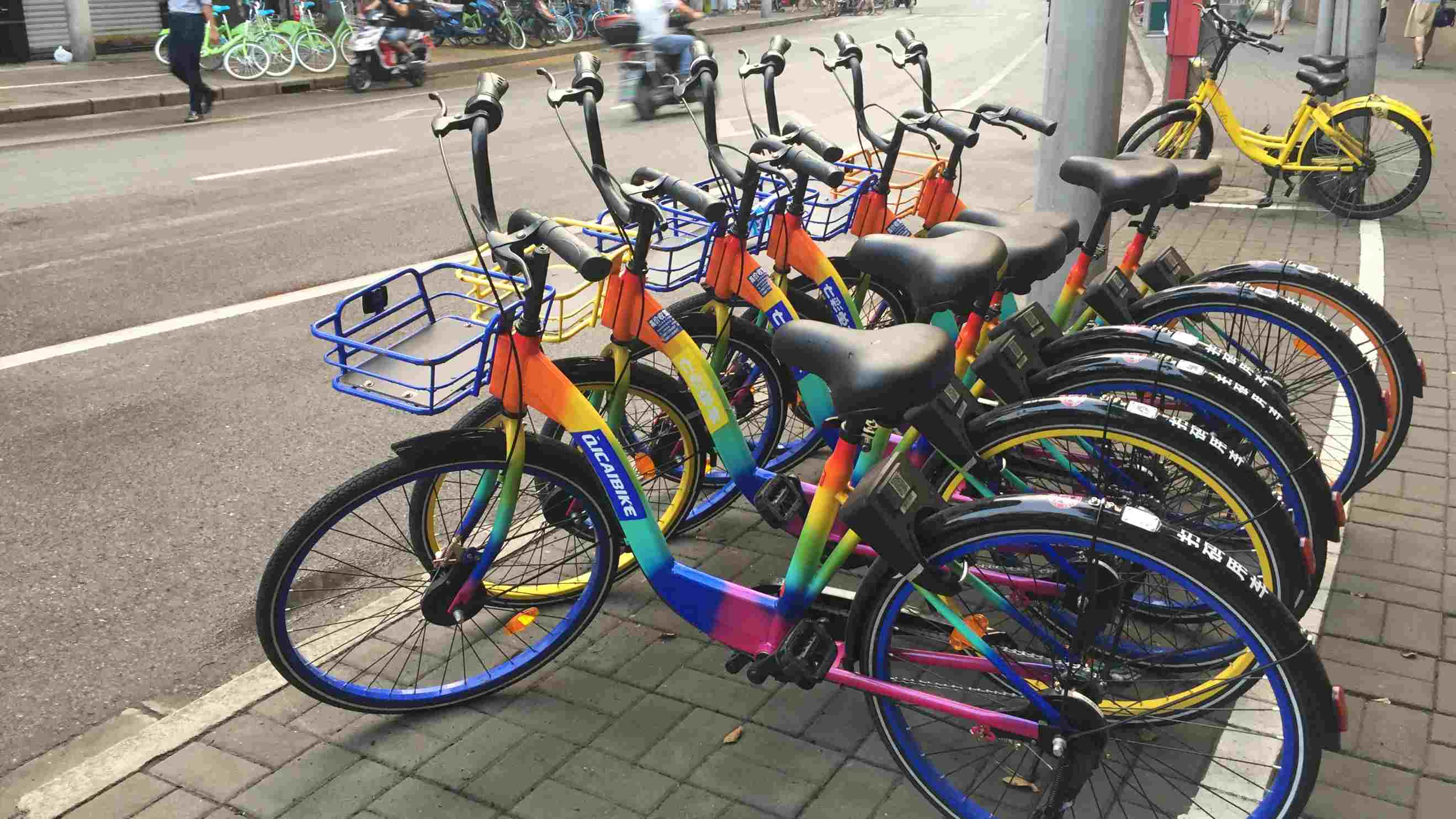
Shared bikes are being hailed as one of the four great modern inventions to come out of China, along with mobile payment, high-speed trains and online shopping. Introduced four years ago, shared bikes have become such an integral part of urban life; it’s almost impossible to remember a time when they didn’t grace the streets of most Chinese cities.
Shared bikes have proved popular, thanks to the convenience they afford to short-hop commuters. But their sudden appearance has given rise to a number of challenges, which various parties have been attempting to deal with. They range from the hundreds of bike-sharing companies struggling to stay afloat in the overcrowded market, to the city authorities working desperately to eliminate the piles of discarded bikes on the streets.
Bikes are merely at the forefront of what’s being called the shared economy. Their success has inspired entrepreneurs to come up with other ideas; for example, shared battery packs.
In an age where no one leaves home without their mobile phone, a readily-available battery-pack accessed simply by scanning a QR code, can be a life-saver.
01:46
With the necessary technology in place, there seem to be no limits to where the shared economy can expand. However, so en vogue is the “shared” tag, some companies slap it onto existing concepts such as gyms and office spaces, simply to make them more marketable.
This raises the question: What really constitutes a shared economy?
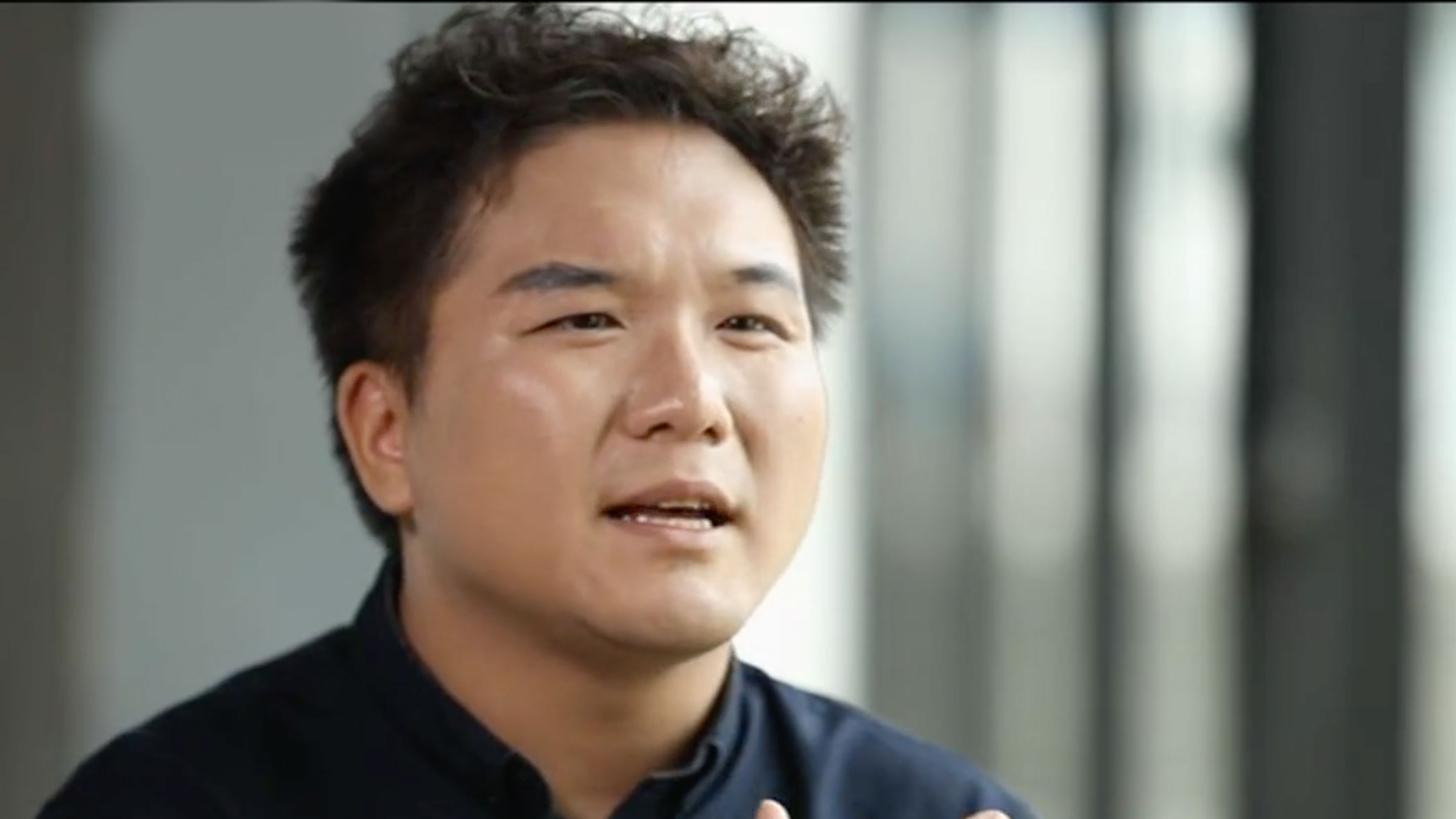
Financial analyst Li Muyang has made waves online with his conclusion that not even shared bikes really adhere to the true spirit of the shared economy.
“People share things they don’t always use in the US,” he says. “That’s a genuine ‘shared economy.’ But this isn’t the case in China. The shared items are produced and provided by business players. So, it’s actually rental by time-sharing.”
Li argues that true sharing would see companies reducing demand for a product by ensuring that a large number of people use just one. However, in a bid to gain the upper hand, China’s bike-sharing companies are flying in the face of the underlying concept of a shared economy, by flooding the market.
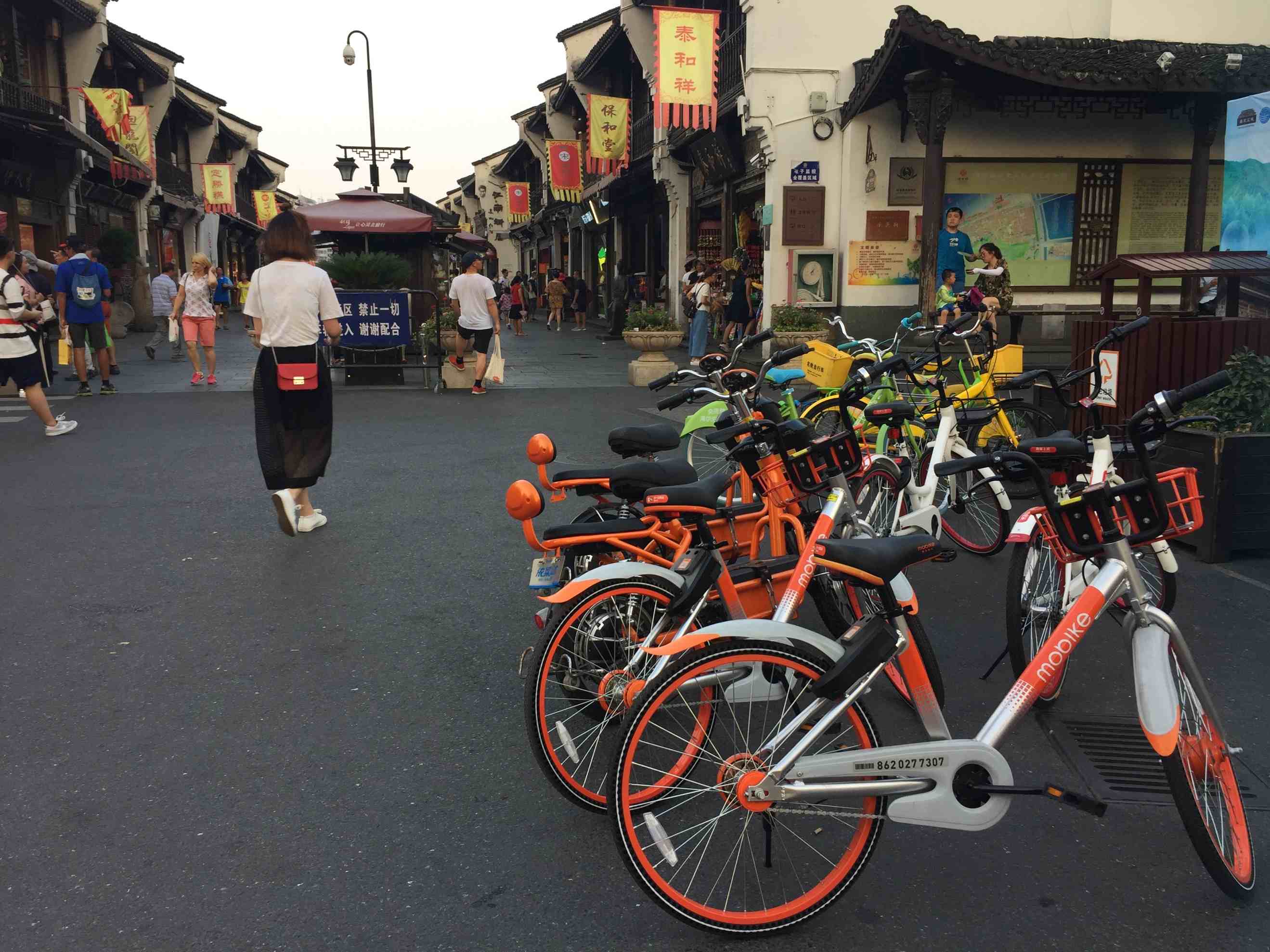
In a battle for market share, companies have flooded cities such as Hangzhou, China’s southern Zhejiang province, with their bikes. /CGTN
In a battle for market share, companies have flooded cities such as Hangzhou, China’s southern Zhejiang province, with their bikes. /CGTN
Even co-founder and CTO of market leader Mobike, Xia Yiping, admits that his company is not first-and-foremost a “shared-bike” company, but a service provider.
“We’re more a company in the Internet of Things,” says Xia. “The hardware of travel – regular bikes, electric bikes, cars – can all be connected to the same platform. You can use them all by scanning a QR code with your smartphone.”
However, financial analyst Li is optimistic that there will be a time at which basic economics will dictate that China embraces the concept of the shared economy, as he understands it.
“I think people will be more focused in their spending in the future,” he says. “At that point, we can exploit the right of use and make things ‘shared.’ Li concludes, "It’s an exciting future.”
Rediscovering China is a 30-minute features program offering in-depth reports on the major issues facing China today. It airs Sunday at 10:30 a.m. BJT (0230GMT), with a rebroadcast at 11:30 p.m. (1530GMT), as well as Monday 8:30 a.m. (0030GMT) and Friday 1:30 p.m. (0530GMT).