
Middle East
15:08, 09-Apr-2019
General elections start in Israel
Updated
22:32, 09-Apr-2019
 ["china"]
Share







Copied
00:34
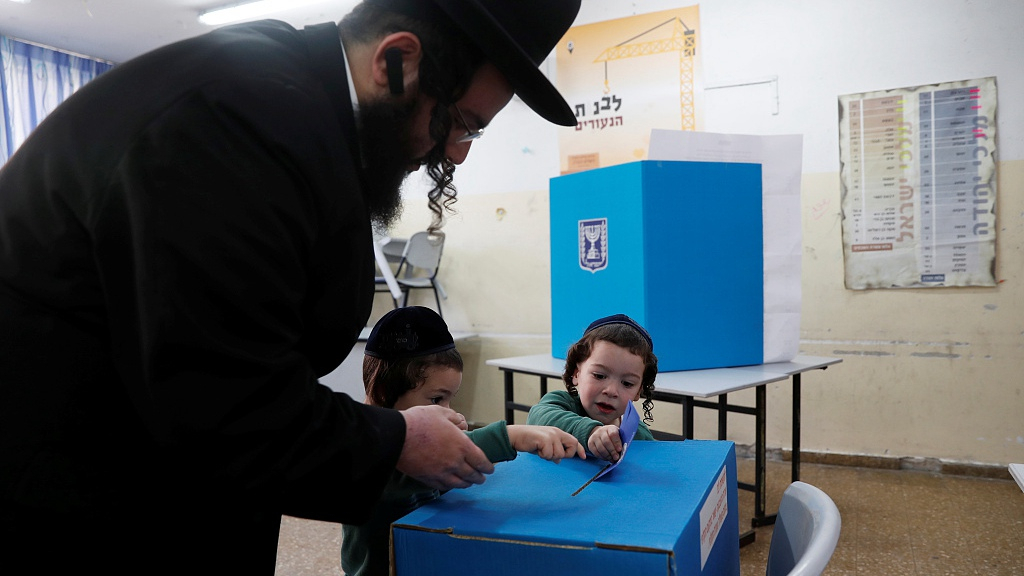
Israel on Tuesday morning started day-long general elections across the country to choose its next parliament and decide the premiership.
Voting started at 7 a.m. local time (0400 GMT) at 10,720 polling stations across the country and is due to end at 10 p.m. (1900 GMT) in the closely-fought elections mainly between long-serving Prime Minister Benjamin Netanyahu's Likud party and ex-army chief Benny Gantz's newly formed party.
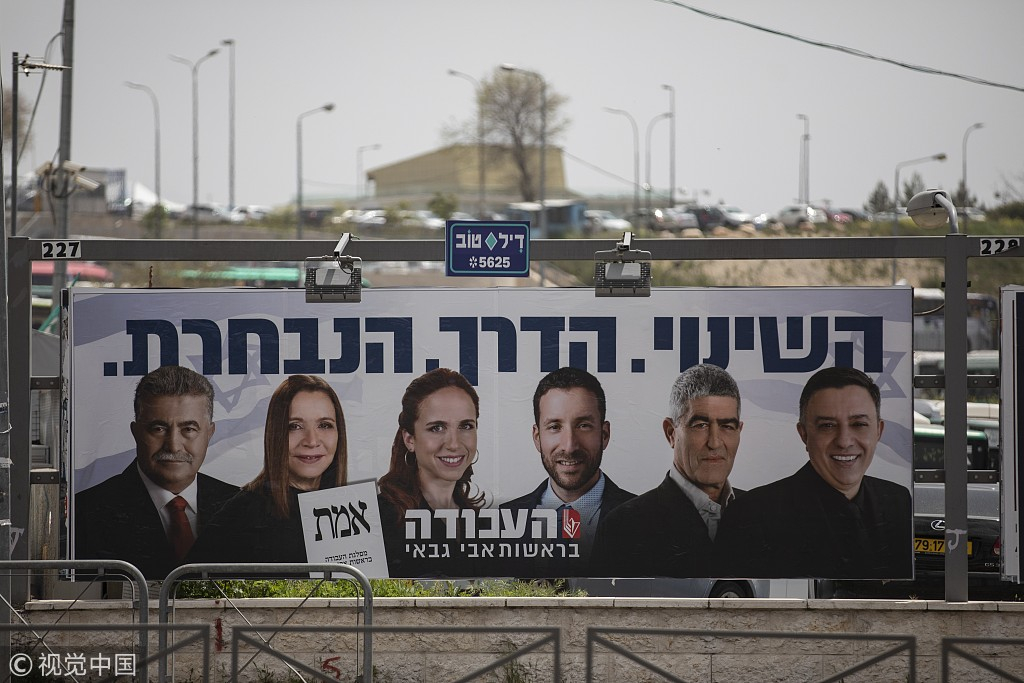
Posters of candidates are seen prior to the early general elections on April 9 in Jerusalem, April 8, 2019. /VCG Photo
Posters of candidates are seen prior to the early general elections on April 9 in Jerusalem, April 8, 2019. /VCG Photo
According to Israel's Central Election Committee, about 6.34 million Israeli citizens are eligible to vote.
More than 40 parties are vying for the 120 seats in the one-chamber Knesset (parliament). Recent opinion polls show a tight race between Gantz's centrist Blue and White with about 30 seats and Netanyahu's right wing Likud with some 28 seats.
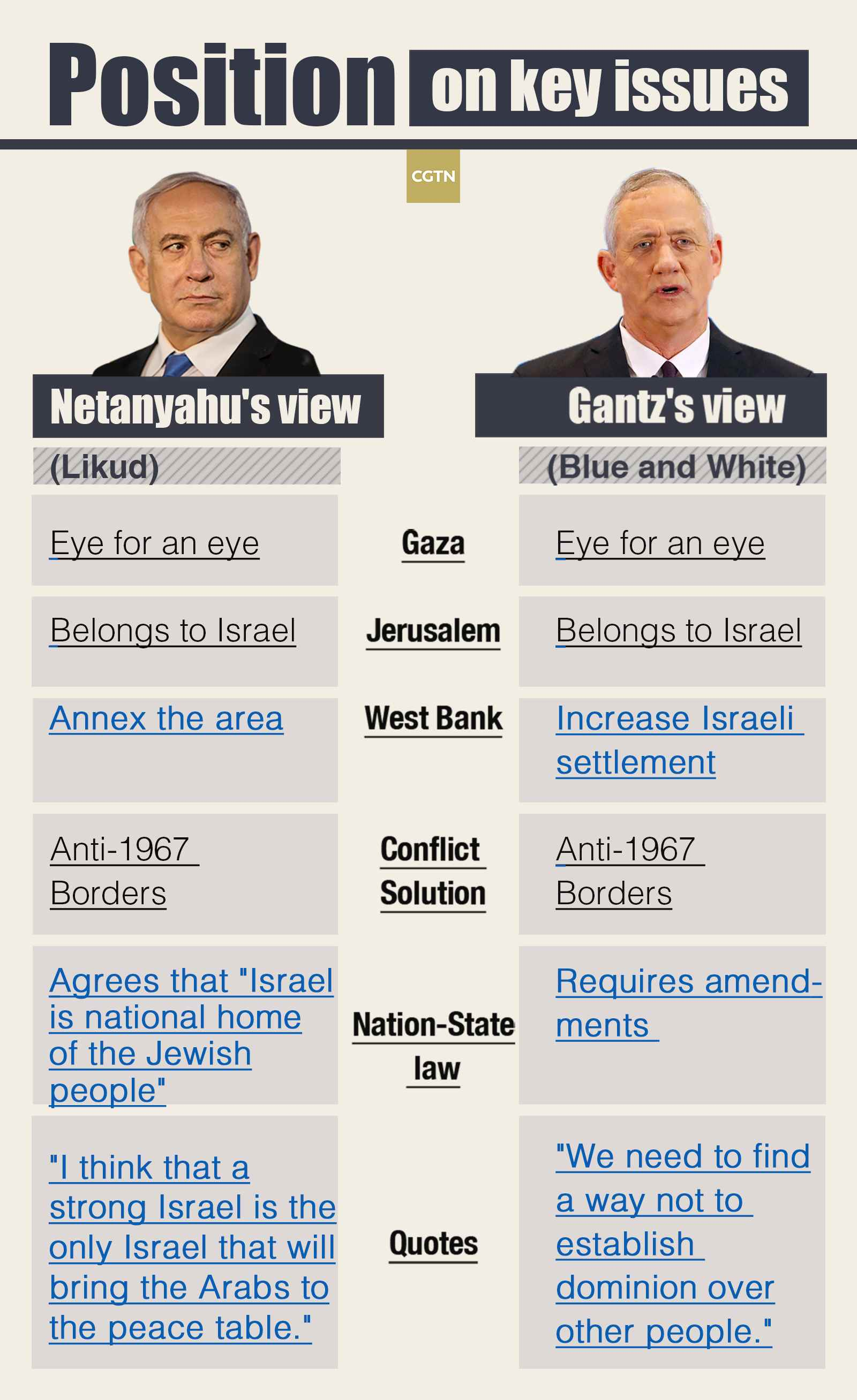
CGTN Infographic
CGTN Infographic
Voter demographics
Voter turnout in Israel is generally high, this year 75 percent of eligible voters were expected to drop ballots into the box. Five hours into the day, 25 percent of Israelis had cast ballots. Of that number, only 15 percent of an estimated 1.9 million Arab voters turned up at polling stations.
"What's the point?" Saeed, a resident of the mixed Jaffa Tel Aviv enclave, told CGTN. "Every time we elect Arab representatives to parliament, the minute they are seated in parliament chambers they forget all the campaign promises."
Other Arab voters said they feel disenfranchised and that under Benjamin Netanyahu's multiple terms as prime minister, they were discriminated against and did not have a voice.
"I'm voting because I've had enough of Netanyahu. He needs to go," Bassam told CGTN.
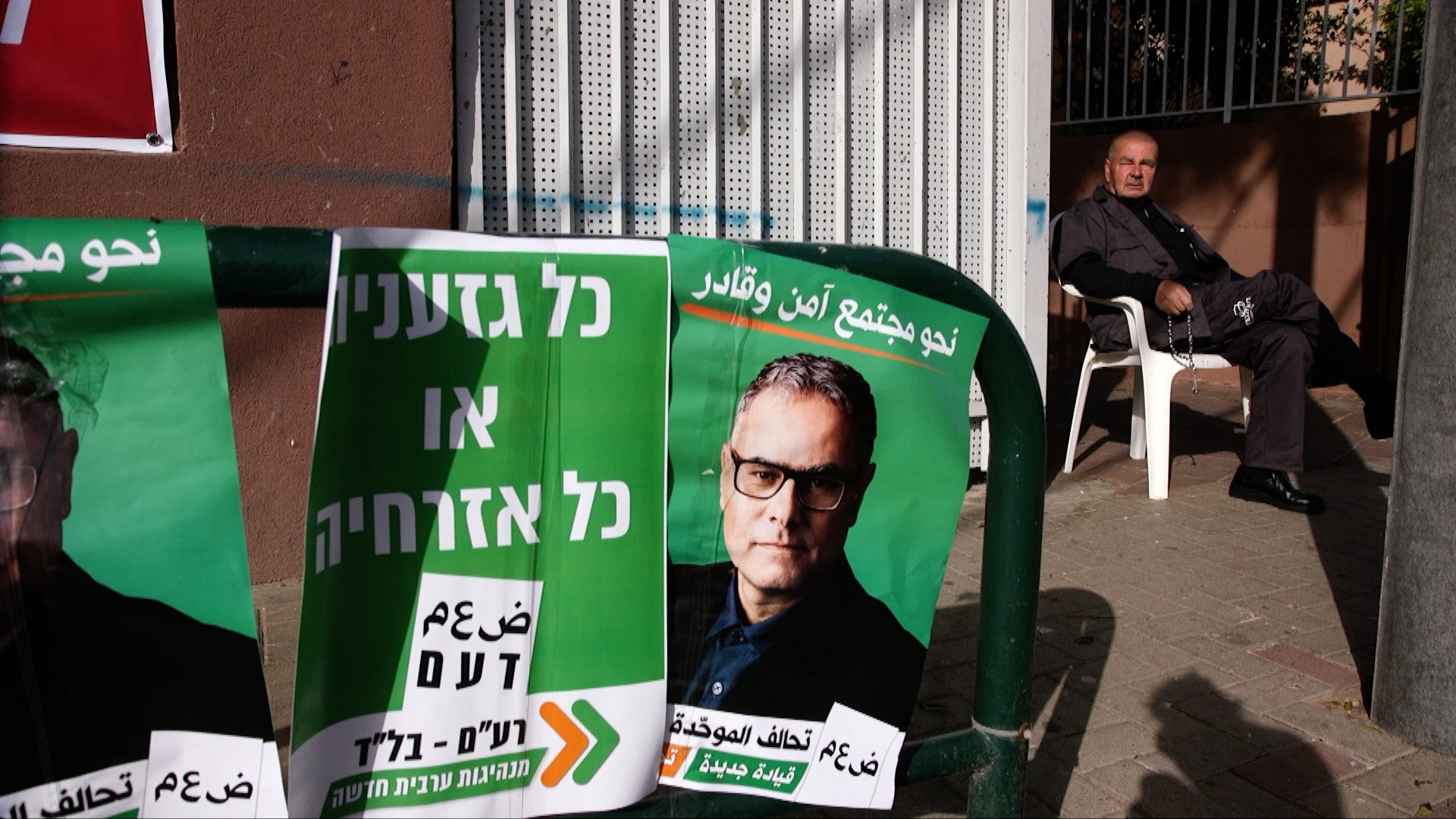
Arab Party posters in Jaffa, Israel. /CGTN Photo
Arab Party posters in Jaffa, Israel. /CGTN Photo
Netanyahu has served multiple terms as Israel's prime minister. If he is re-appointed prime minister, he'll be the longest-serving prime minister in Israel's history.
Netanyahu's brewing scandals
As the day wore on, reports surfaced of Netanyahu's Likud party placing hidden cameras inside numerous predominantly Arab dominated polling stations, prompting an outcry among mainstream voters. In a statement, the Central Election Commission said putting cameras inside poll stations was "forbidden" – the Commission did not state whether or not the practice is illegal.
Netanyahu is also at the center of an ongoing investigation into criminal activity and corruption.
In February, Israel's attorney general said he intended to indict Netanyahu in three separate cases of bribery, fraud and breach of trust.
That will undoubtedly weigh on the president's decision of which party to choose to form a coalition to make up a majority ruling coalition in parliament.
Polls close at 22:00 local time and exit poll results will be immediately released.
(CGTN's Stephanie L. Freid contributed to the story.)
Source(s): Xinhua News Agency