
Business
17:31, 15-Aug-2018
South Africa suffers economic pressures at home and abroad
Updated
16:40, 18-Aug-2018
 ["china"]
Share







Copied
02:26
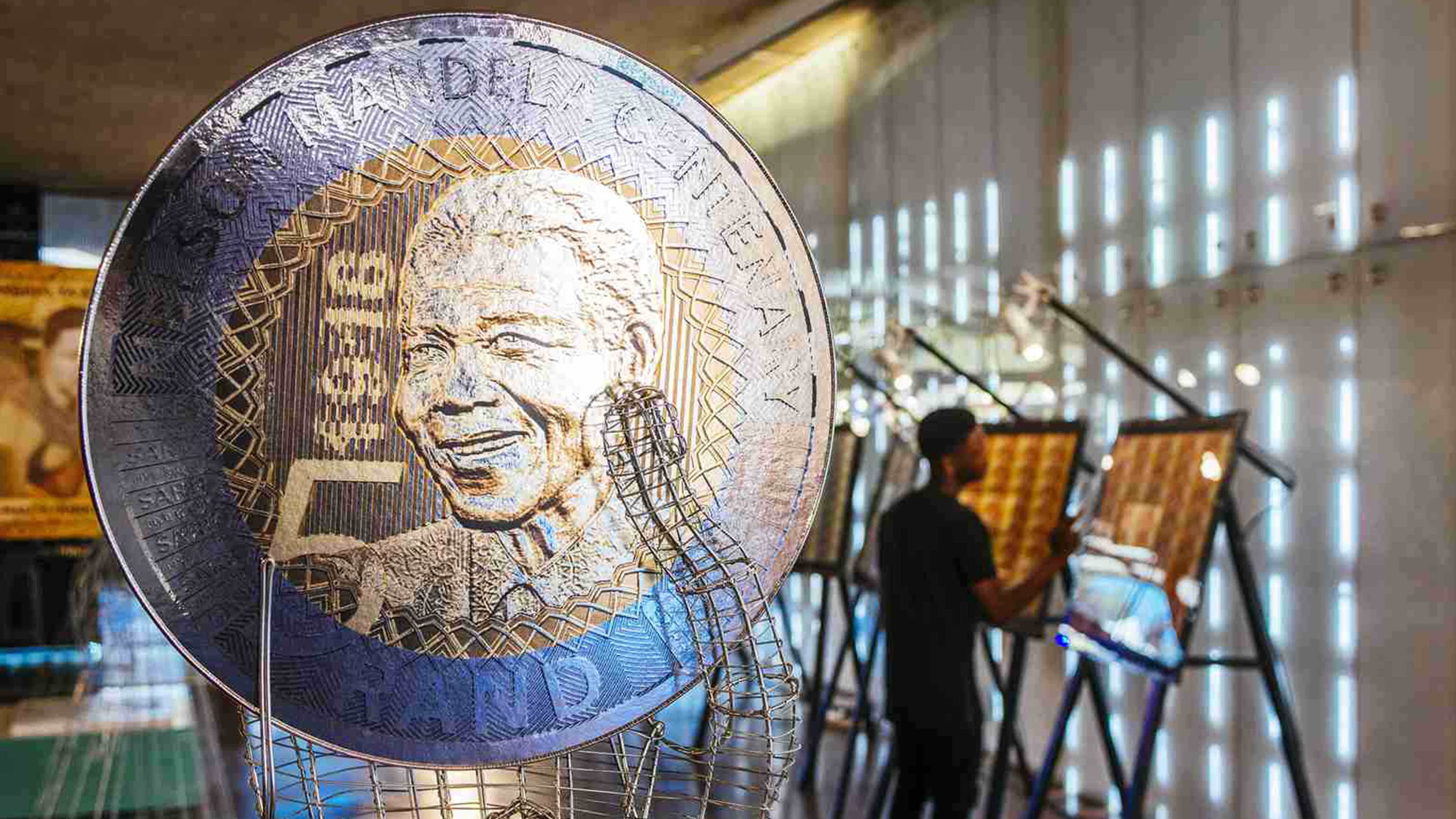
South Africa is in the economic doldrums internationally and domestically. It is feeling the pain of US President Donald Trump’s latest move to double tariffs on Turkish steel and aluminum imports and at home is the challenge of how to deal with land expropriation.
The South African rand has clawed back some losses following a rough few days. The currency pushed over 15 against the greenback following Trump's decision to double tariffs on steel imports from Turkey.
The South African market has already felt the heavy hand of Trump. Tariffs on South African steel were lifted earlier this year.
"He's finding that tariff increases is an easy way at getting at other people, other nations as we've seen now with Turkey. So, it becomes a war and he's not the kind of person who backs down and a lot of this is to satisfy his base, his base thinks he's great. He's attacking his allies,” said David Shapiro, deputy chairman of Sasfin Securities.
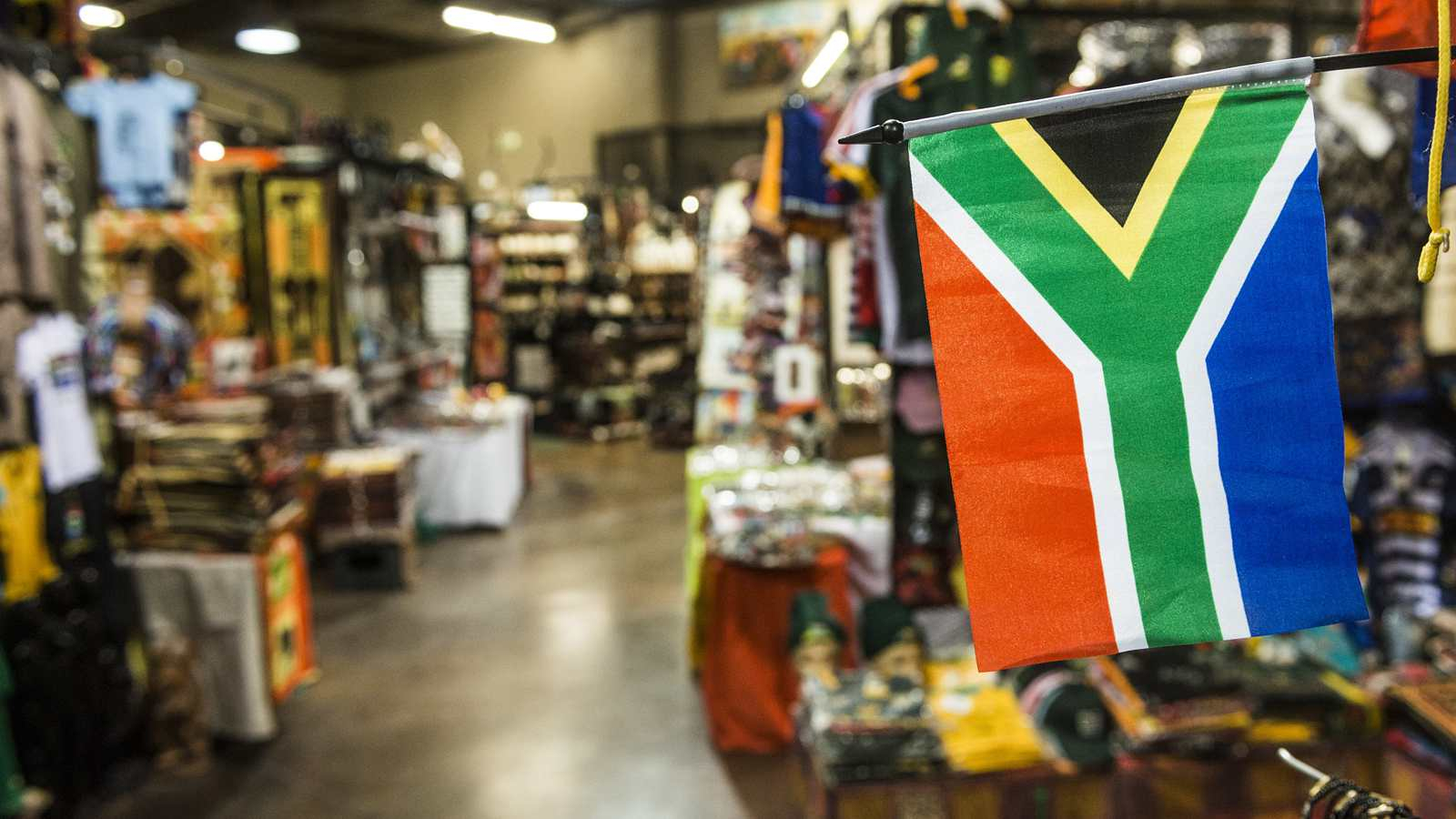
A South African national flag hangs on display inside an African craft market in the Rosebank district of Johannesburg. /VCG Photo
A South African national flag hangs on display inside an African craft market in the Rosebank district of Johannesburg. /VCG Photo
But it’s not all about the US. South Africa has its own set of domestic challenges as the government insists on fast-tracking land expropriation without compensation. That’s also making investors nervous.
"For investors, they quite wary in terms of how it's gonna be implemented and which land is going to be taken," said Matete Thulare, forex dealer at Rand Merchant Bank.
"So, I think if anything, South Africa is facing at the moment some poor fundamentals in terms of policies and also some structural issues in terms of the state-owned enterprises which are under a lot of stress."
It’s more bad news for South African consumers that oil prices are creeping beyond 70 US dollars a barrel. Petrol prices have gone up 11 percent since the beginning of the year as a result of the weaker currency.
"So when you get a Rand at 14 with an oil price at those levels, it has a big impact on our current account, on our trading account, and of course on our current account deficit as well. So, from an inflation point of view as well, we’re expecting inflation to pick up," Shapiro added.