
Latin America
16:03, 09-May-2019
Professional exodus: Volunteer mothers in Venezuela fill in the blanks
 ["china"]
Share







Copied
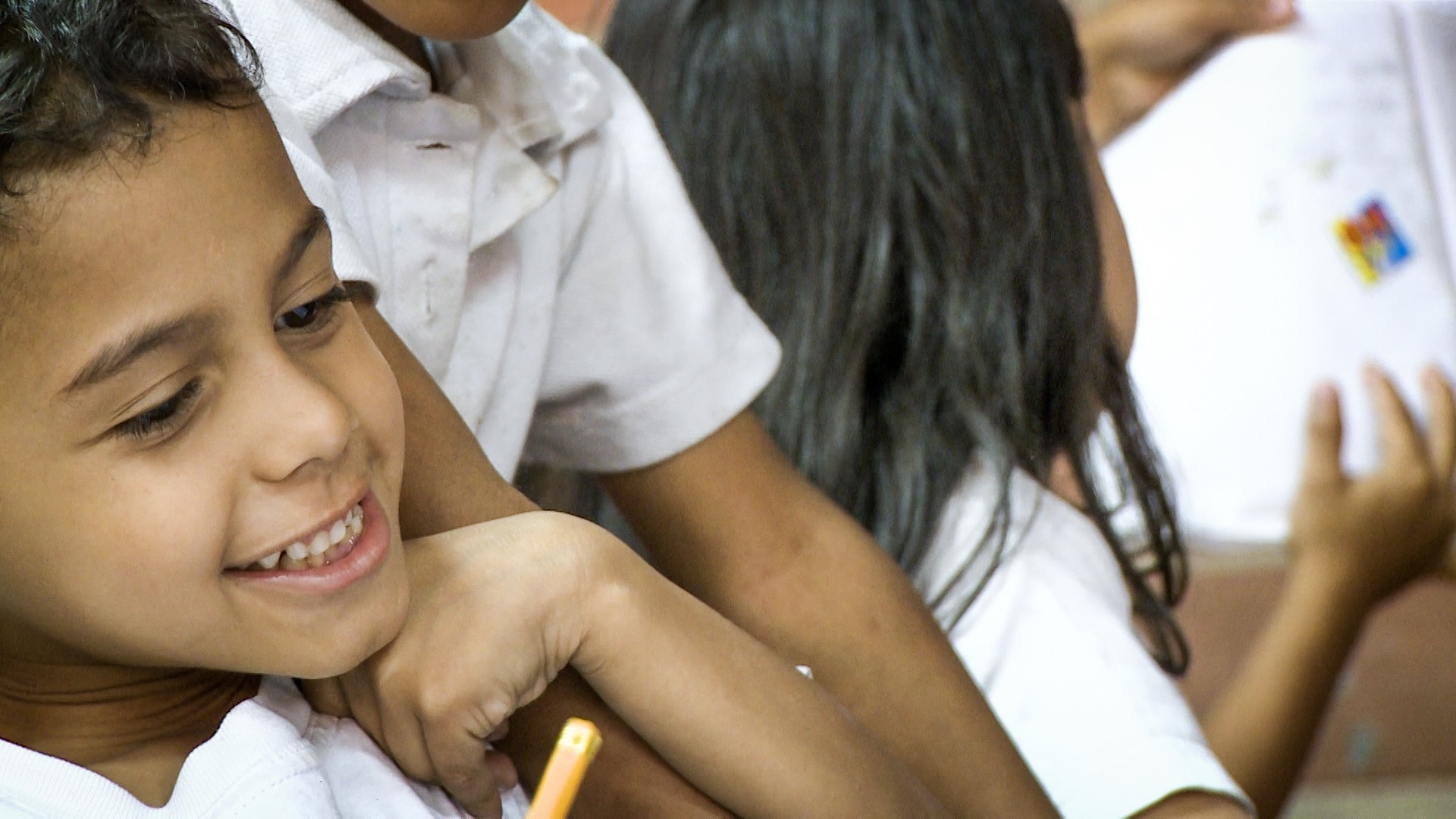
Shortages of water, food, and medicine have fueled a historic exodus from Venezuela. Millions of people have left the country, and many of them are professionals. According to the Venezuelan Teachers' Association, out of 860,000 teachers registered in Venezuela's education ministry, 172,000 left their classrooms in the last three years.
Schools across the country have empty classrooms, and many of the students who come to school in the morning find no teachers waiting for them.
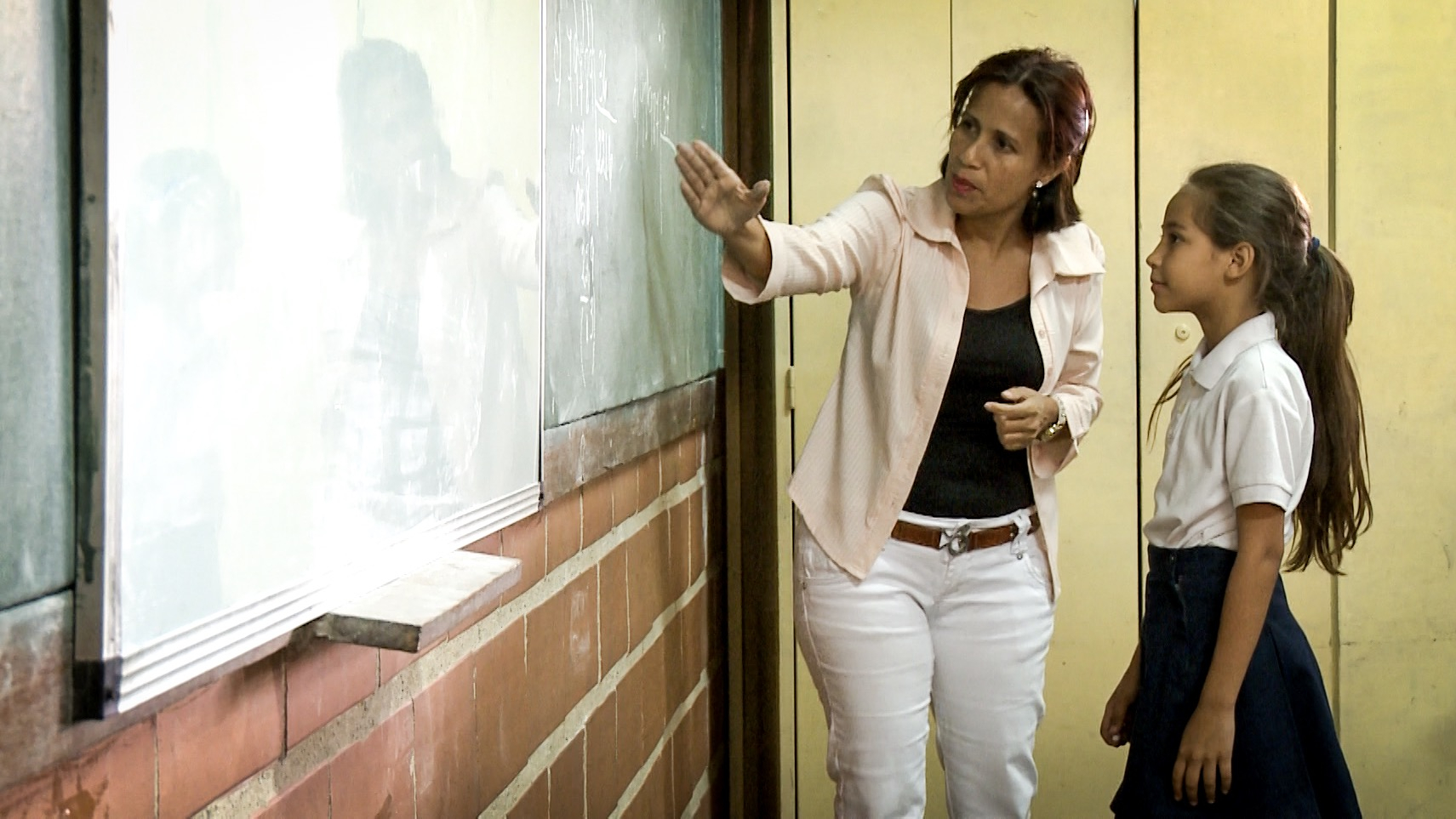
"Our children must learn so I became their teacher,” said Marbelis Padrón. /CGTN Photo
"Our children must learn so I became their teacher,” said Marbelis Padrón. /CGTN Photo
At the Virgen Niña primary school in the Caracas slum of Catia, 11 teachers have recently left their positions. The school has started a program to make sure all 400 students have a teacher. The program trains volunteer mothers to become teachers in their children's classrooms. Initially the mothers would step in as substitutes when teachers called in sick. Now six mothers are teaching grades 1-4, full-time.
Marbelis Padrón is one of them. “When I used to bring my daughter to her classroom a year ago, it was painful to see there wasn't anyone who could teach her. I understand most teachers are leaving because of the economic crisis, but our children must learn so I became their teacher."
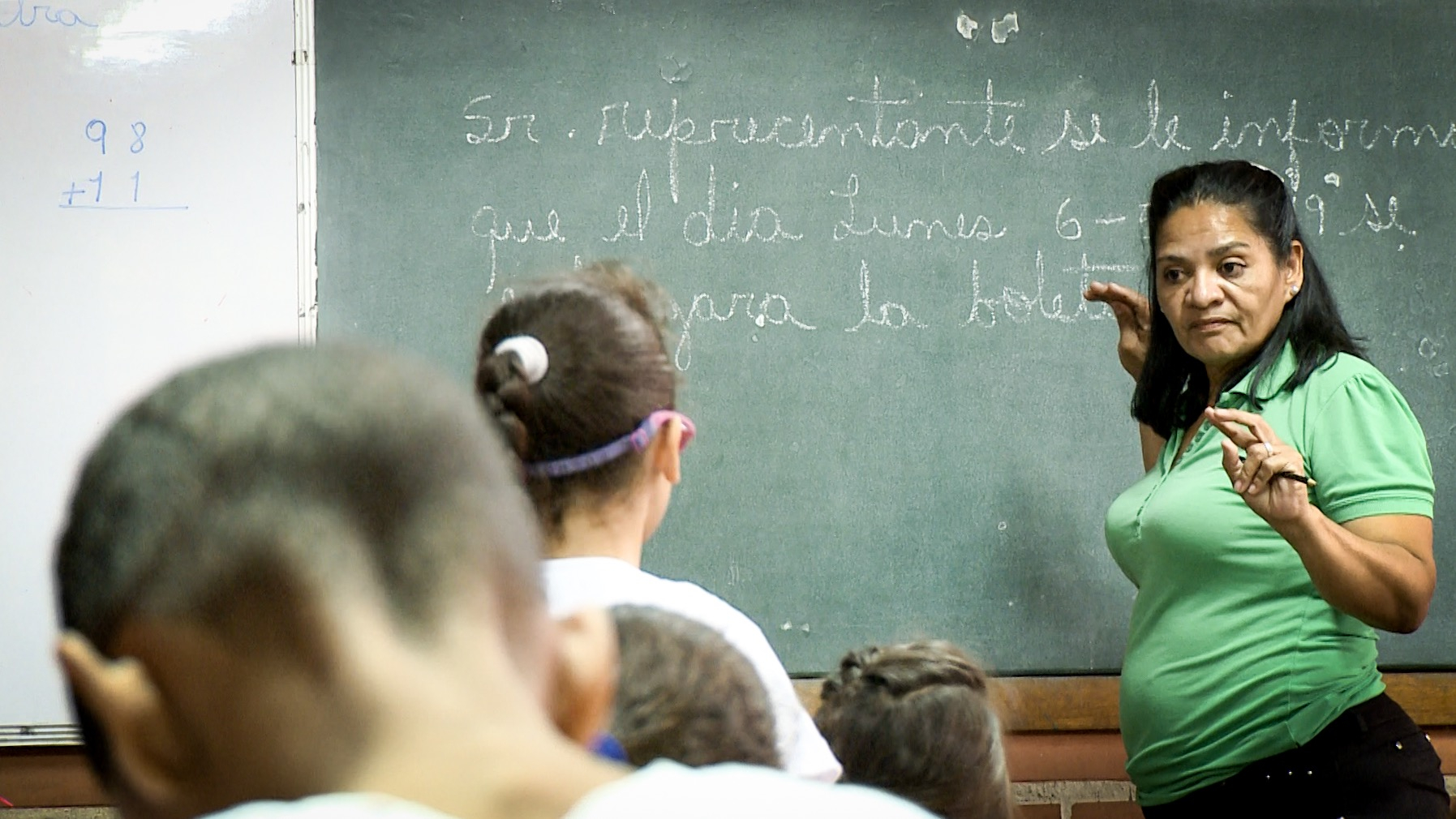
Nelida Reverol says compensation is not the motivation for these volunteer moms. /CGTN Photo
Nelida Reverol says compensation is not the motivation for these volunteer moms. /CGTN Photo
Maria Carmona is another volunteer mom working in the classroom, even though her children are young adults. "I had no idea how much I would love teaching. I did it for my children. I wasn't a teacher before I came here and now it's become a passion of mine, something I love doing."
Teachers in Venezuela get paid the equivalent of about 8 U.S. dollars a month, which is just about enough to buy a kilogram of pasta and some eggs.
As Nelida Reverol says, compensation is not the motivation for these volunteer moms. "It's not about the money. It's about sharing knowledge with the kids. Every day we also learn a lot from them."

At the Virgen Niña primary school in the Caracas slum of Catia, 11 teachers have recently left their positions. /CGTN Photo
At the Virgen Niña primary school in the Caracas slum of Catia, 11 teachers have recently left their positions. /CGTN Photo
The volunteers teach subjects ranging from geography to mathematics. The program teaches them how to make lesson plans, and how to cope with other challenges they may face in the classroom.
Noelia Páez has been the director of the Virgen Niña school for the last four decades. She says the volunteer mothers act as a lifeline. "Having teachers with college degrees will be ideal, and we are looking for them, but while we search, volunteer mothers continue to help. They are the best decision we've made."
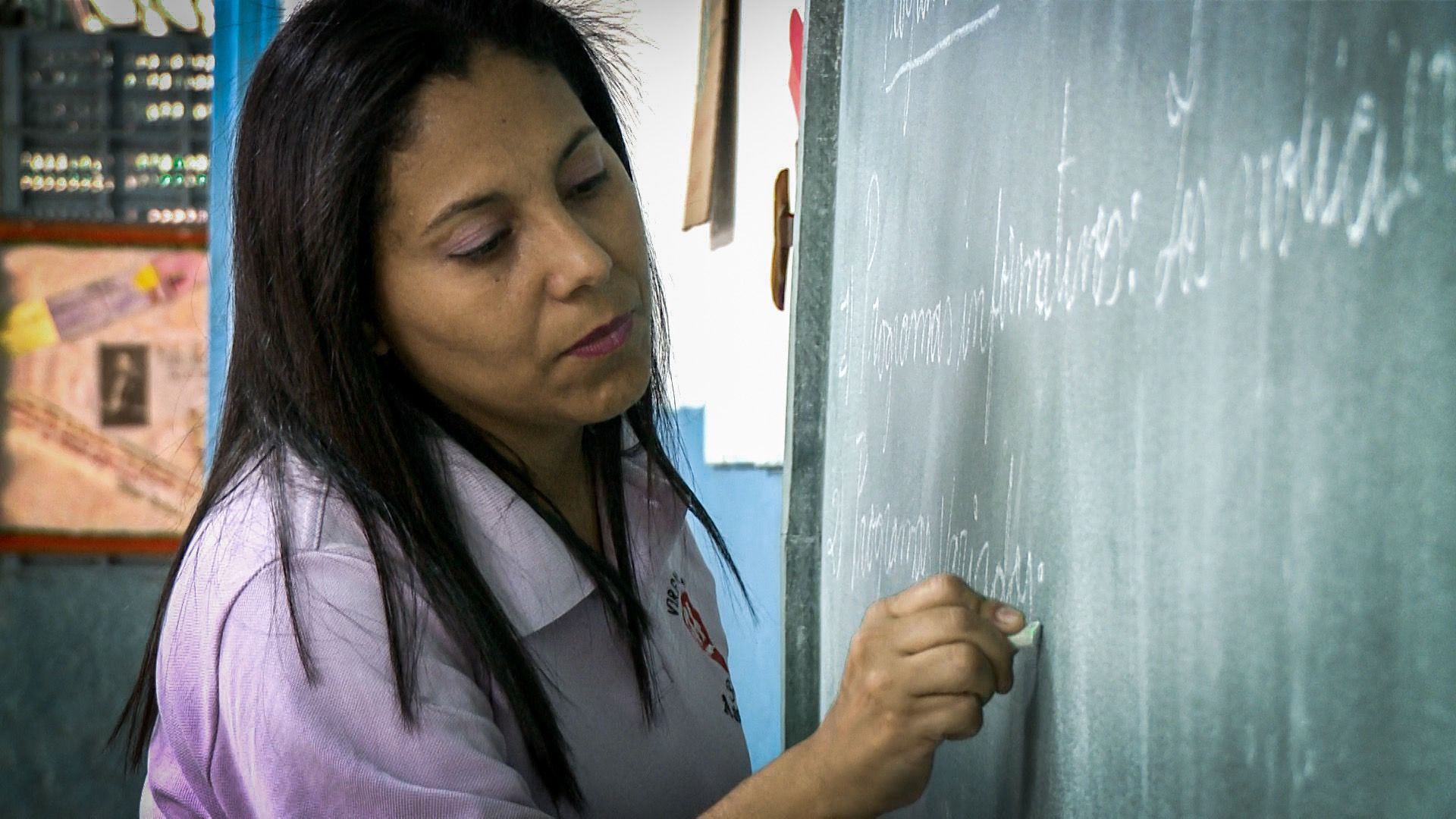
The school started the program to make sure all 400 students have a teacher. /CGTN Photo
The school started the program to make sure all 400 students have a teacher. /CGTN Photo
Many of the students come from families that are having a hard time putting food on the table, and hunger affects their ability to concentrate. Before classes start each morning, the volunteer mothers cook a free breakfast for all the students with donated food. They also measure and weigh the students once a week, to look for signs of malnutrition.
Volunteer mothers teaching classes started out as a novel experiment. Now the school says it couldn't run without them.
(Cover image is from CGTN)