
Tech & Sci
14:19, 29-Apr-2018
Indonesia's modern agriculture: Digital farming helps farmers' livelihoods
 ["china"]
Share







Copied
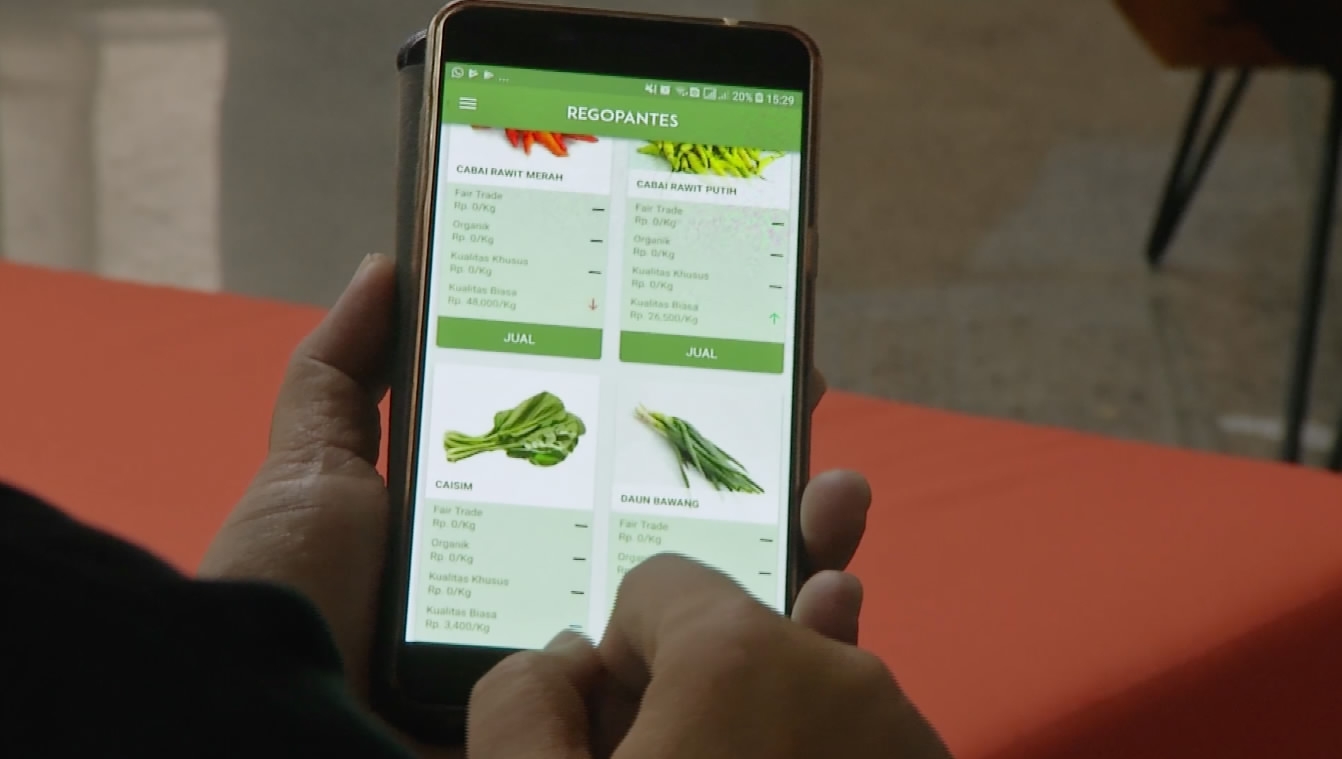
As Indonesia’s digital economy continues to boom, it is now beginning to improve farmers’ lives. The country is home to millions of hectares of fertile soil. Agriculture is said to be one of the main drivers of Indonesia’s economy, employing more than 50 million people.
Although agriculture is one of the most crucial sectors of the economy, many farmers still identify as some of the poorest people in the country. But all of that is changing with the help of advanced technology.
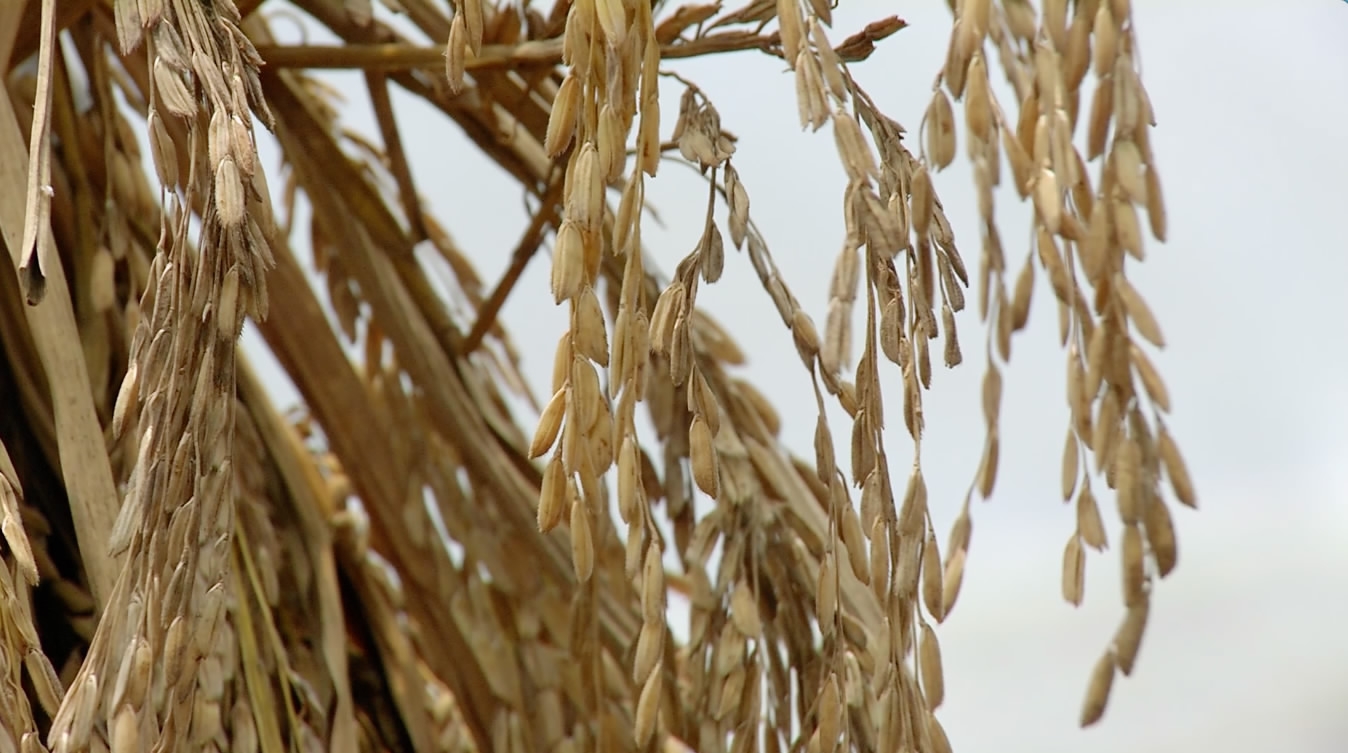
CGTN Photo
CGTN Photo
Wim Prihanto is the co-founder of the mobile application and website called RegoPantes. The app aims to change the lives to farmers who are working to make a decent living in Indonesia. It works by eliminating middlemen between farmers and the harvest they supply to various markets across the country. Farmers usually complain that their harvest is always sold below cost when they go through at least five to six middlemen.
But that is now in the past. Today, with the help of the app, farmers have more power and all with the tap of a finger.
“Our vision is simple. We created the app to break the chain from farmers to consumers. For commodities that are popular, farmers usually have to go through eight to 13 middlemen, and along the way the price decreases and income reduces for them. With this app, farmers can immediately post their produce and sell it to consumers,” Prihanto says.
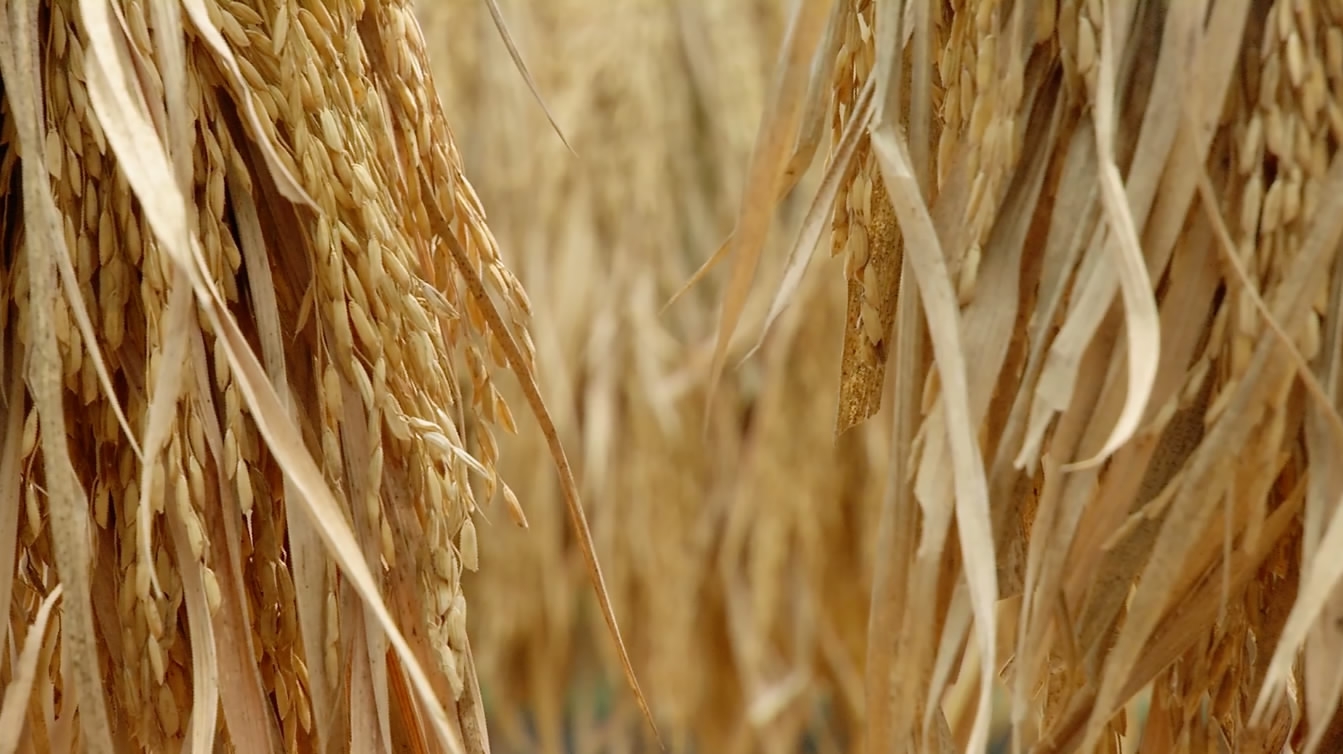
CGTN Photo
CGTN Photo
The app has also helped farmers to understand the market much better. Now, the power is in their hands. They are able to learn how the market operates, what exactly their customers are looking for, gauge other prices in the market and begin to understand what they can do to get better prices for their hard work.
RegoPantes is not the only app that allows farmers to sell directly to customers. Many e-commerce websites in Indonesia are also giving farmers the opportunity to sell their produce to customers across provinces in the country. Although, they’re only able to sell in small volumes for now, the price remains affordable and increasingly competitive. Through the e-commerce platforms, hundreds of farmers in Central and East Java, for example, can accommodate their customers in Jakarta’s markets.
Dwi Andreas Sentosa says there is a huge potential for Smart Agriculture in Indonesia but it comes with challenges.
“Only less than 5 percent of farmers in the country are below 35 years old, which means many of them still do not own a smartphone. Aside from that, in smaller areas, with the poor infrastructure, there is no Internet, so it is difficult to be a part of digital farming,” Sentosa says.
But those challenges can be overcome as smart agriculture can be beneficial to Indonesia’s economy in the long run. For now, it is already beginning to enhance the productivity of agricultural companies and smallholder farmers.