
Business
16:39, 14-May-2018
Highs and lows for Chinese owners as Premier League season ends
 ["europe"]
Share







Copied
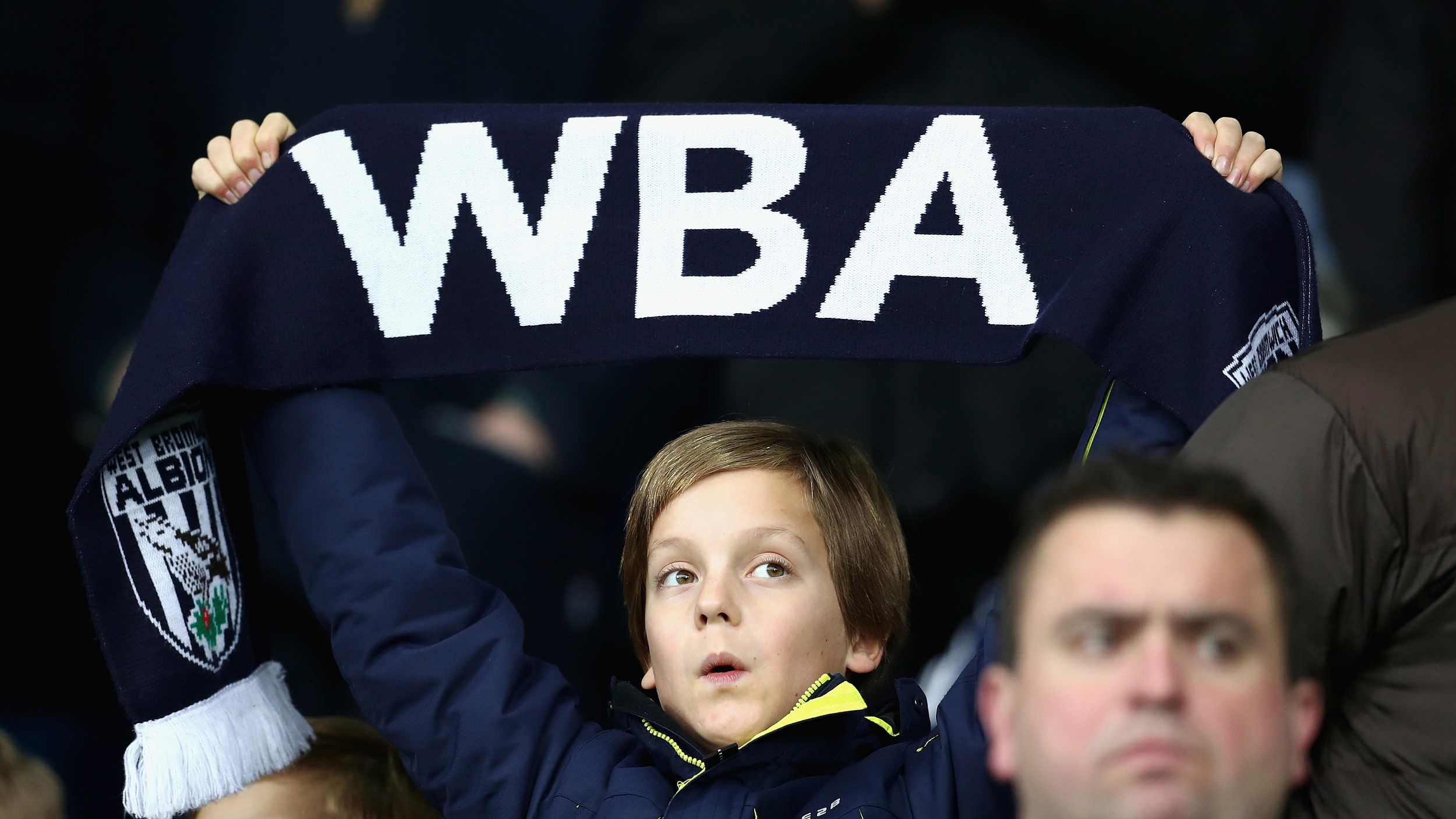
The English Premier League (EPL) season ended Sunday, and for the growing number of Chinese club owners looking for success in the richest football league in the world, it was a mixed season.
Read on for a look back at a season that saw promotion, relegation, narrow escapes and an infamous stolen taxi.
West Brom: Boos for the Baggies
West Bromwich Albion finished bottom of the Premier League after eight years in the top division. Terrible performances, poor discipline and big changes in the boardroom have seen exasperated fans left wondering where their club is headed, with second-tier football in the Championship confirmed for next season.
On the pitch: After finishing 10th last season, WBA went into freefall, failing to win in 20 games, despite a squad full of experienced players. Negative tactics and a lack of goals saw the club churn through three managers, none of whom could turn their fortunes around.
Off the pitch: Chinese businessman Guo Laichuan bought West Brom in a reported 170 million pound (230.7 million US dollar) deal in 2016, promising “to see the club establish itself in the top half of the division.”
The Chinese owner claimed he would not “radically change the workings of the club,” but this season he sacked the chairman, chief executive, and technical director.
Guo then brought in two of his own business associates from China to join the board of directors, despite none of them having any football experience.
Fans have complained Guo does not have their interests at heart – he has spoken about the business opportunities of bringing “West Bromwich Albion’s excellent training system to China to help nurture young talent.”
One of the most bizarre moments of the season was the news that four senior West Brom players had stolen a taxi in Barcelona during a night out in February.

Experienced England midfielder Gareth Barry failed to prevent West Brom's relegation, and was one of four players involved in "taxi-gate." /VCG Photo
Experienced England midfielder Gareth Barry failed to prevent West Brom's relegation, and was one of four players involved in "taxi-gate." /VCG Photo
None of the players were disciplined, and manager Alan Pardew (who lost his phone, wallet and jacket on a different night out that same week) was allowed to continue despite the negative publicity.
Guo made no comments about “taxi-gate,” and former West Brom assistant Gerry Francis told Sky Sports on Sunday having a Chinese owner was a problem for the club, because of the lack of contact Guo had with coaching staff.
The club spent more than 64 million US dollars on players this season. However, relegation will cost the club approximately 50 million pounds (67.8 million US dollars) in lost television revenue, according to Deloitte.
Wolves: Chinese owners “learn” how to succeed
After Fosun International bought Wolverhampton Wanderers for 45 million pounds (61 million US dollars) in July 2016, the club’s new chairman Shi Yu (also known as Jeff Shi) told the BBC “we are not geniuses. We are students here.”
Like WBA, Wolves’ new owners lacked experience in football, with a turbulent start that saw four managers in the first year in charge.
On the pitch: This season the club finished top of the Championship, gaining promotion to the Premier League.
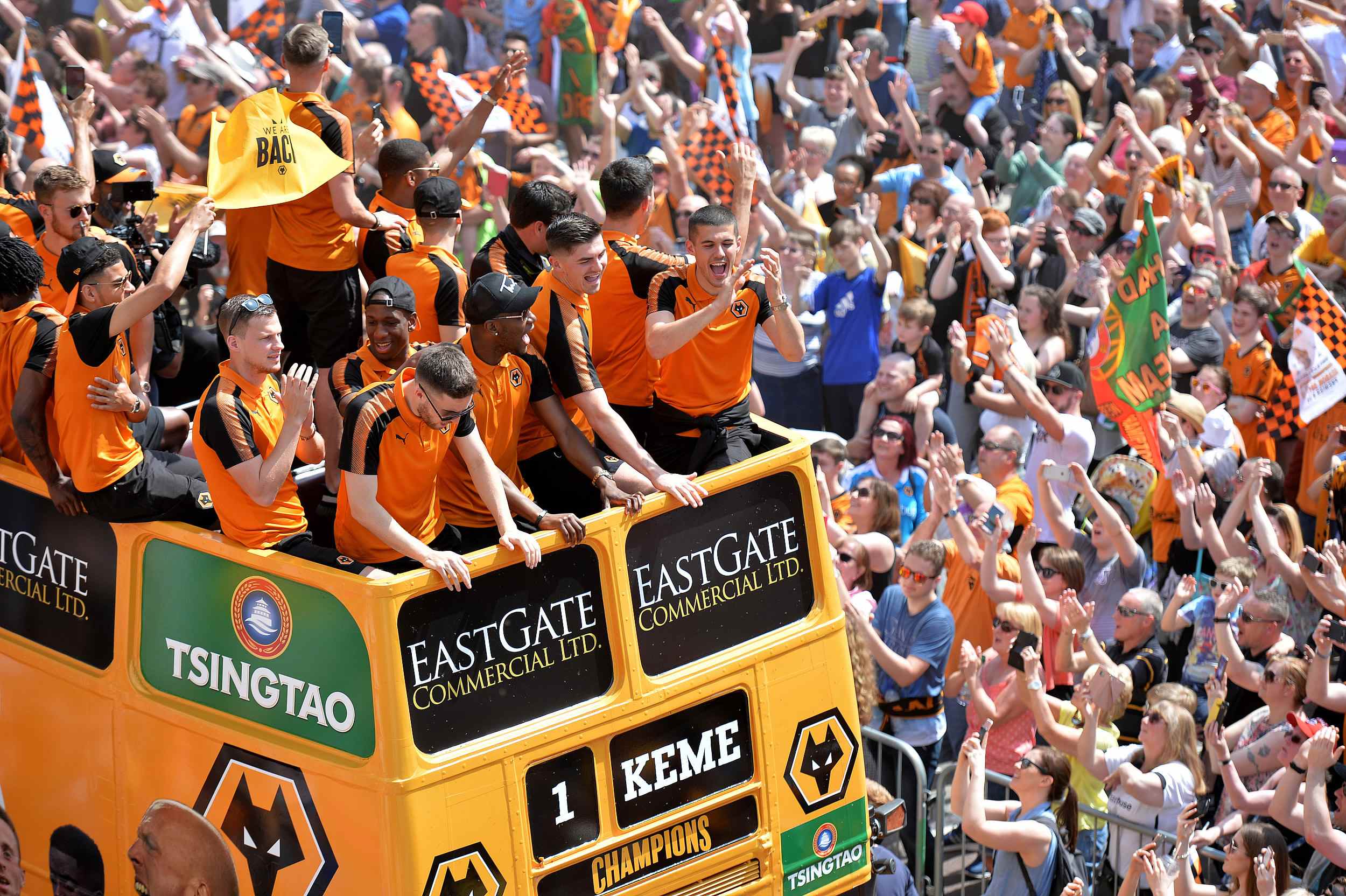
Wolves fans celebrate in Wolverhampton as players parade the Championship trophy. /VCG Photo
Wolves fans celebrate in Wolverhampton as players parade the Championship trophy. /VCG Photo
Wolves’ owners showed off their financial clout by breaking the Championship transfer record, paying 15.8 million pounds (21.4 million US dollars) for Portuguese star Ruben Neves.
Promotion gives Wolves access to lucrative money for broadcasting rights – experts believe that coupled with sponsorship and increased attendance, the club could be heading for a 140 million pound (190 million US dollar) windfall next season.
Off the pitch: While West Brom’s owner has been quiet and distant from the club, Wolves chairman Shi – who was appointed in July 2017 – has been open with the fans and media, and now lives in the UK, working with the club “on a day-to-day basis”.
Talking to the BBC about his hands-on approach, Shi said “you have to live in the city where the players are being coached, where you can watch training and games so you can feel what is really happening every day.”
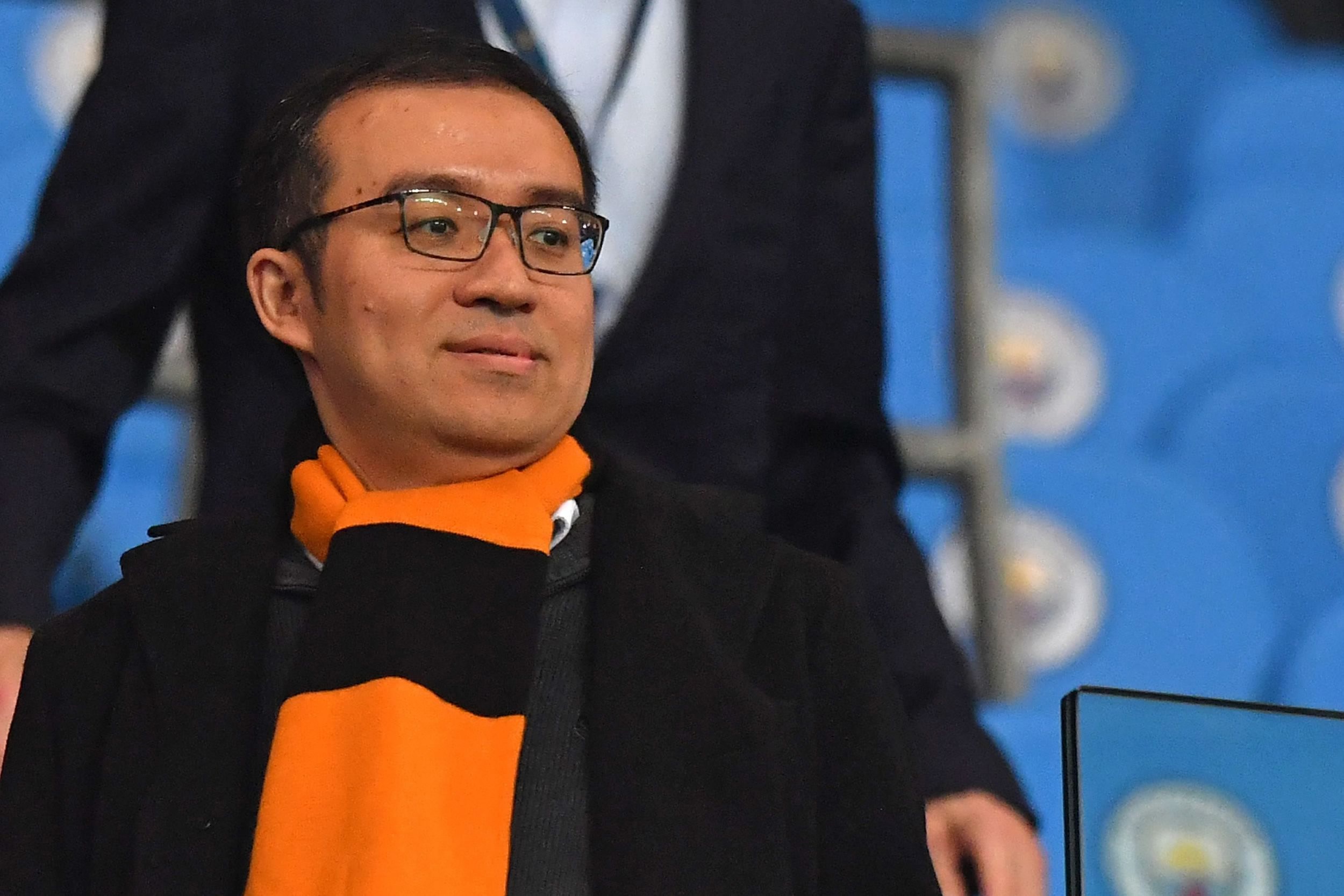
Wolves chairman Jeff Shi has been a regular attendee to games, unlike other Chinese club owners. /VCG Photo
Wolves chairman Jeff Shi has been a regular attendee to games, unlike other Chinese club owners. /VCG Photo
Shi has been very vocal about his ambitions for Wolves, and unlike Guo at West Brom has kept the fans on-side by not mentioning business interests in China.
The Wolves chairman has claimed the club can challenge for Europe next season, and has spoken about the importance of investing in facilities rather than wildly spending money on players.
With the financial backing Fosun has brought to the club, many Premier League rivals will be taking Shi seriously.
Southampton and Aston Villa: Disappointment and potential
Chinese businessman Gao Jisheng spent 210 million pounds (284.4 million US dollars) on an 80 percent stake in Southampton in August last year, but his first season as owner saw a big slide in form on the pitch.
The club narrowly avoided relegation from the Premier League, with fans angry at the club’s transfer policy and management. Gao now has a summer to rebuild a club that has sold top players in recent seasons without replacing them.
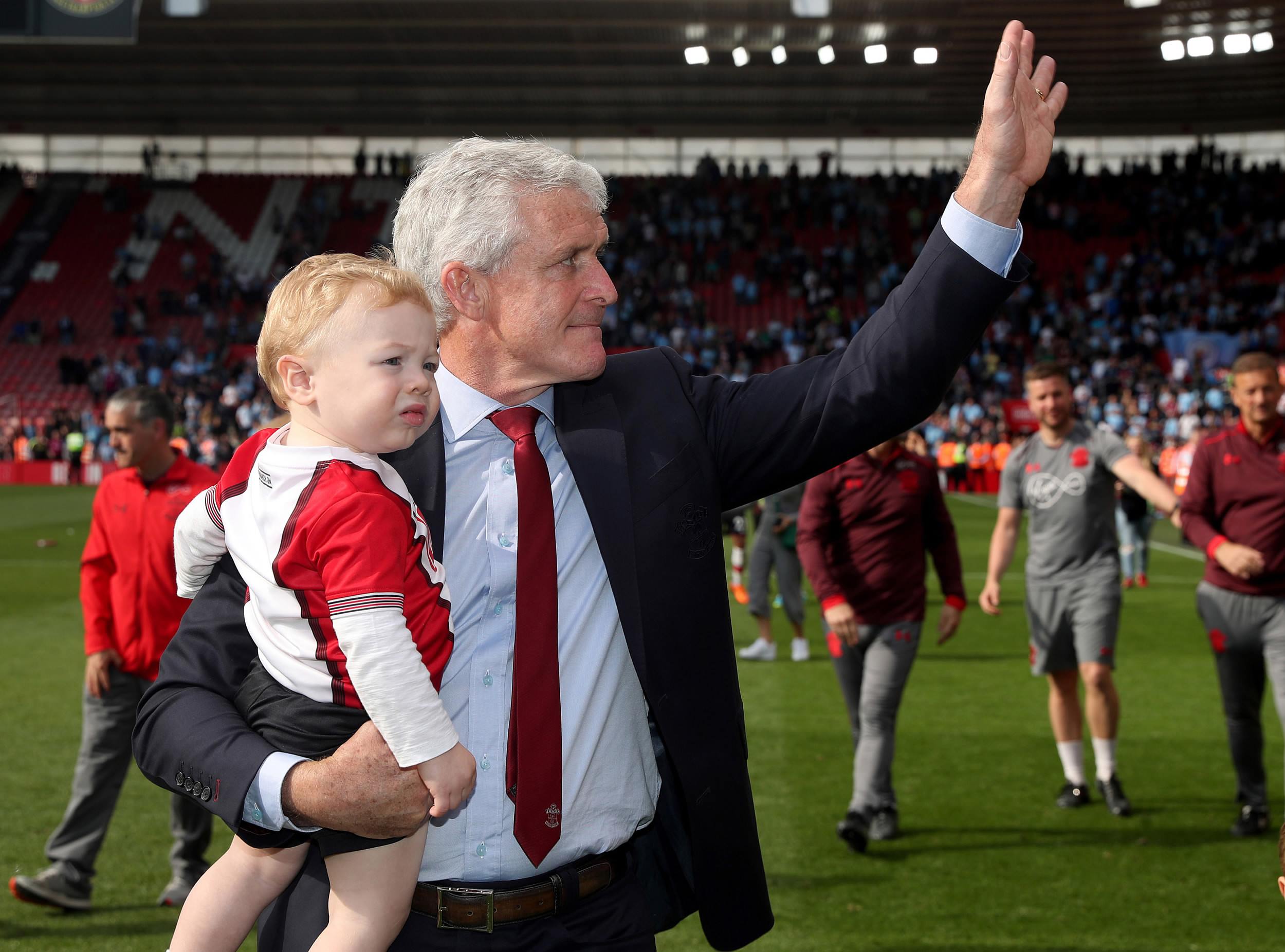
Southampton manager Mark Hughes successfully saved the club from relegation, after replacing Mauricio Pellegrino in March following a run of poor results. /VCG Photo
Southampton manager Mark Hughes successfully saved the club from relegation, after replacing Mauricio Pellegrino in March following a run of poor results. /VCG Photo
However, like West Brom’s owner, he has been criticized for being too far away from the club.
UK-based fans were left furious after Gao held a meeting in January with Chinese supporters in Beijing to discuss the state of the club, with one prominent fan group commenting on Instagram “why not speak to the supporters going to games week in week out spending and currently wasting their hard earned money!”
Aston Villa – owned by Xia Jiantong (Tony Xia) since July 2016 – are still in with a chance of promotion to the Premier League, after finishing fourth in the Championship.
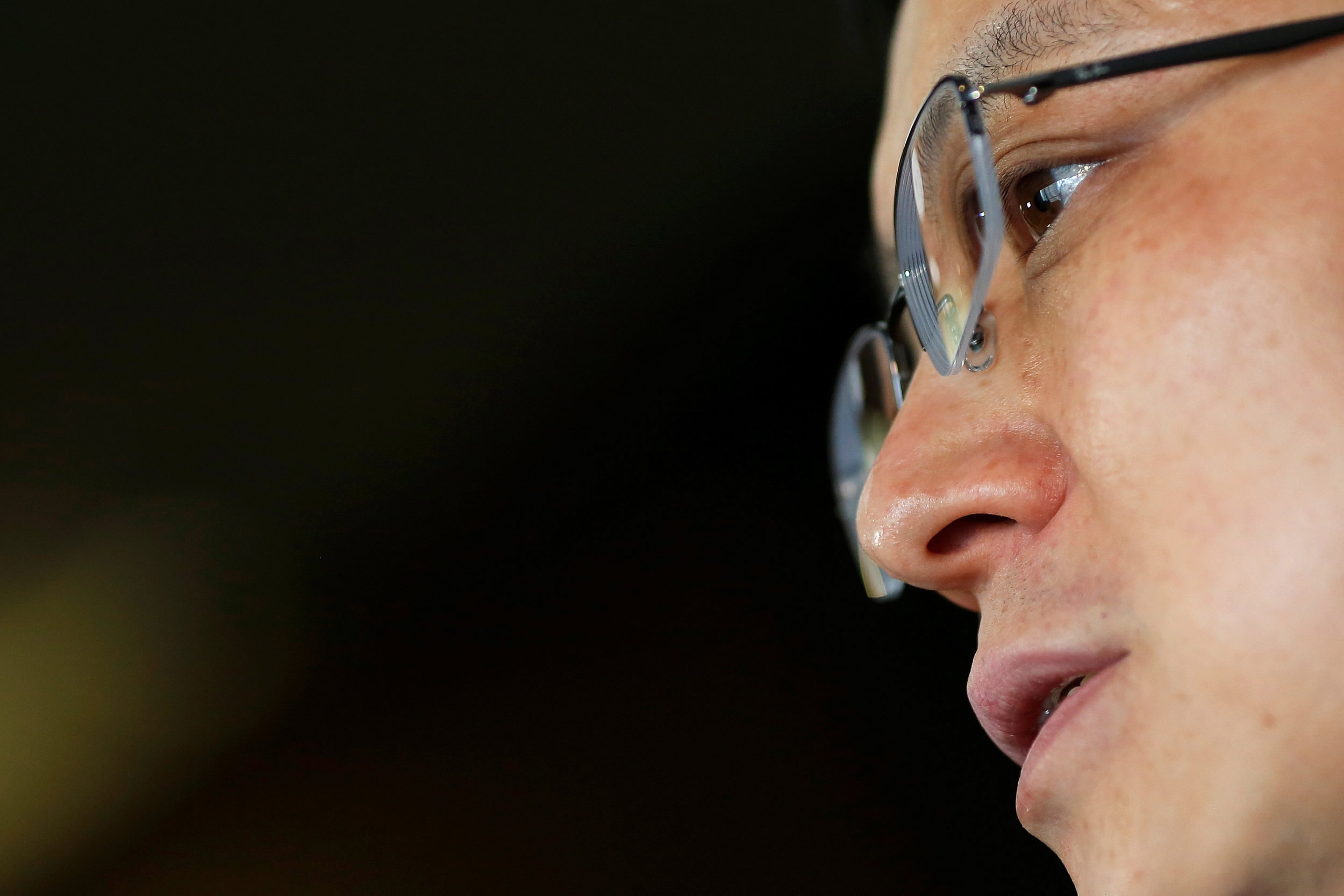
Aston Villa owner Xia Jiantong. /VCG Photo
Aston Villa owner Xia Jiantong. /VCG Photo
In the two years since Xia – a Harvard, MIT and Oxford graduate – bought the club for around 76 million pounds (103.2 million pounds), Villa have steered away from crisis despite only investing 2.5 million pounds (3.4 million US dollars) on players this season.
But if Villa gain promotion, Xia will be forced to invest in his squad by bringing in some younger players. The current team has an average age of 28.2 – similar to the Premier League’s three bottom clubs this season.