
Asia Pacific
21:33, 23-May-2019
Narendra Modi: Journey to the top
 ["china"]
Share







Copied
01:56
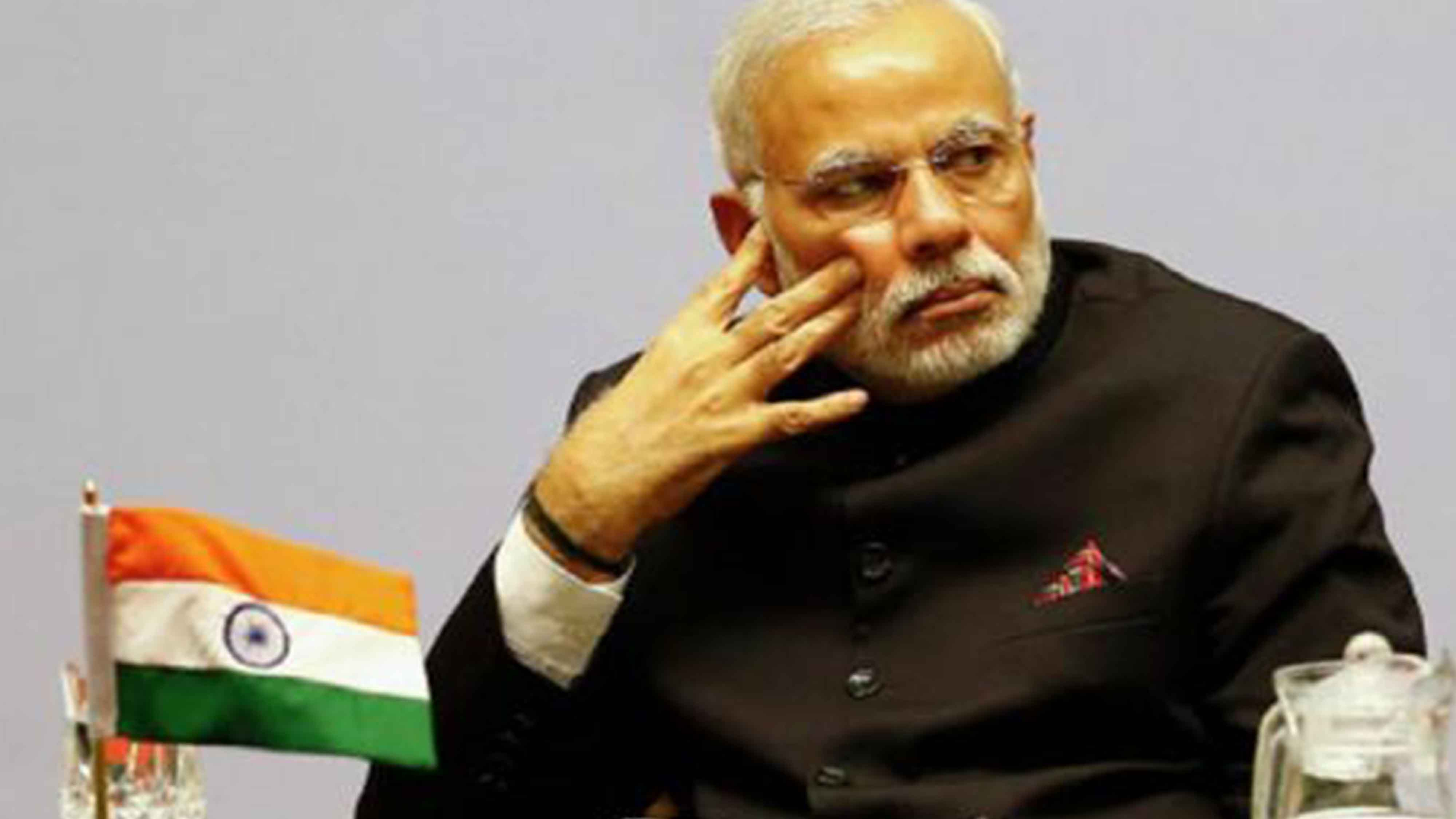
Many say he is a political figure both loved and loathed.
As the third son of grocers, Narendra Modi started his political career in his homeland Gujarat. He served as chief minister of Gujarat from 2001 to 2014, and was regarded as an efficient administrator – who made the state an economic powerhouse.
But his political life changed in 2002, when religious riots led to the death of more than 1,000 people, mostly Muslims in his state. Modi was accused of doing little to stop the tragedy. Although Modi denied the allegations, Washington denied him a visa and the UK cut all the ties with him after the event.
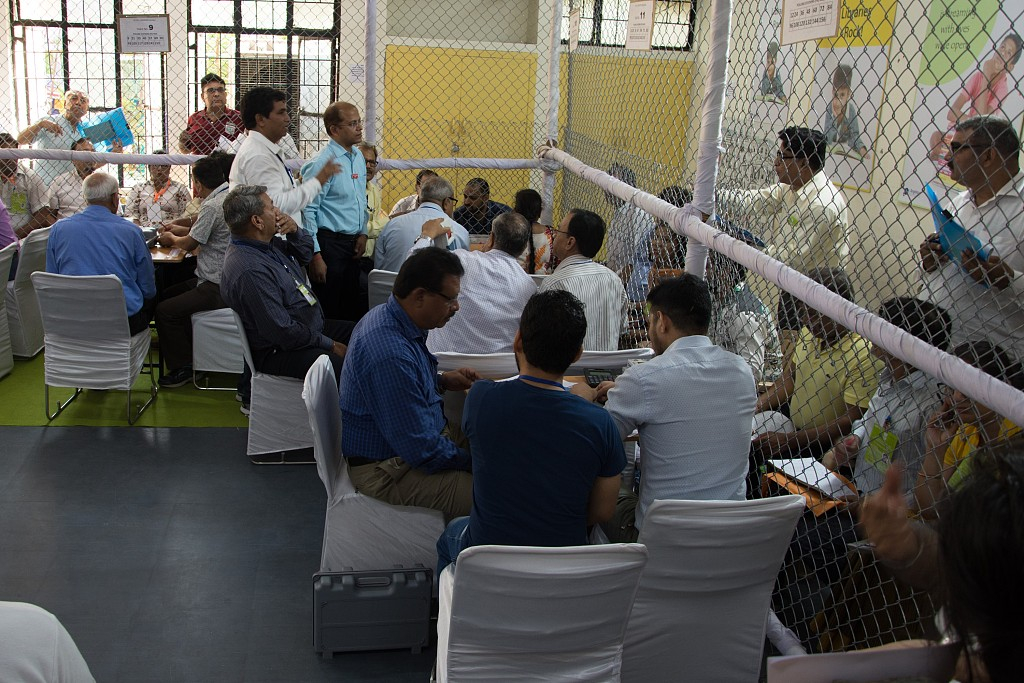
Counting for general election 2019 is underway across India to decide the next head of the country in New Delhi, India, May 23, 2019. /VCG Photo
Counting for general election 2019 is underway across India to decide the next head of the country in New Delhi, India, May 23, 2019. /VCG Photo
But, his victory in 2014 helped him get back to the global political stage. Modi became the country's prime minister after his Bharatiya Janata Party (BJP) won a landslide victory in general elections that year.
His first term was regarded as a mixed bag of hits and misses. Landmark schemes his government launched include cheap cooking gas for the poor, a nationwide Goods and Services Tax, and a health insurance scheme for the poor. But his decision to ban 500 and 1,000-rupee notes, or the demonetization, was followed by prolonged cash shortages, which badly hurt the economy.
In May 2019, the 69-year-old politician was once again in the center of the race for the premiership. Lead suggest Modi will return to power with a thumping majority for a second term.