
World
16:23, 29-Jun-2018
Reporter's diary: Monsoon, a threat for Rohingya refugees
Updated
16:06, 02-Jul-2018
 ["china"]
Share







Copied
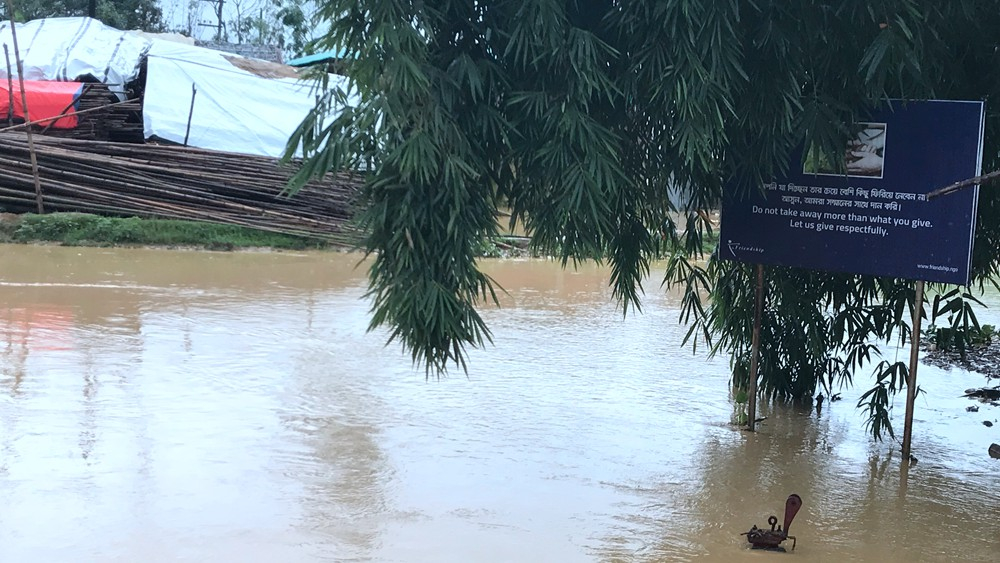
Spending a few hours during the heavy rain in the refugee camps in Cox's Bazar was a nightmare for us. As we arrived in the Unchiprang camp, a new one set up after the Rohingya refugees were forced out of their homes in Myanmar to take refuge in Bangladesh last August, it started pouring.
It was a battle whether to leave the shelter of our vehicle or stay back. Of course, we got out, but we needed gumboots to walk through the slush as our waterproof shoes up to the ankles were not enough. We frantically started looking for gumboots.
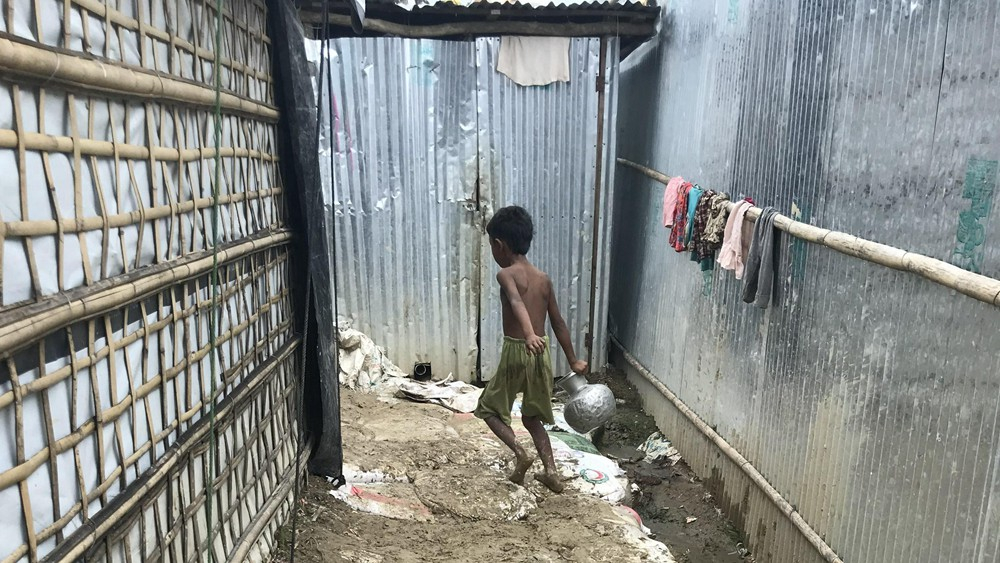
The laborers who offered their shoes had come to a standstill, and the deadline was in an hour. So we were out there in the slush protecting our camera and phones under the umbrella and raincoats. But as we moved forward, we felt guilty about our gumboots as refugees of all age groups were walking through it without any protection. We walked up the hill where most makeshift homes of the refugees are. It originally was a two feet path that at times was reduced to one and a half feet, and almost too painful to walk, especially after rain.
The first sight that struck us was children playing in the rain, and there were too many in the camps, most of them naked. Suddenly Salma Khatun, 65, peeped out of her shelter and asked us to come in. Of course, a crew of three couldn't fit into her house, but we appreciated the warmth.
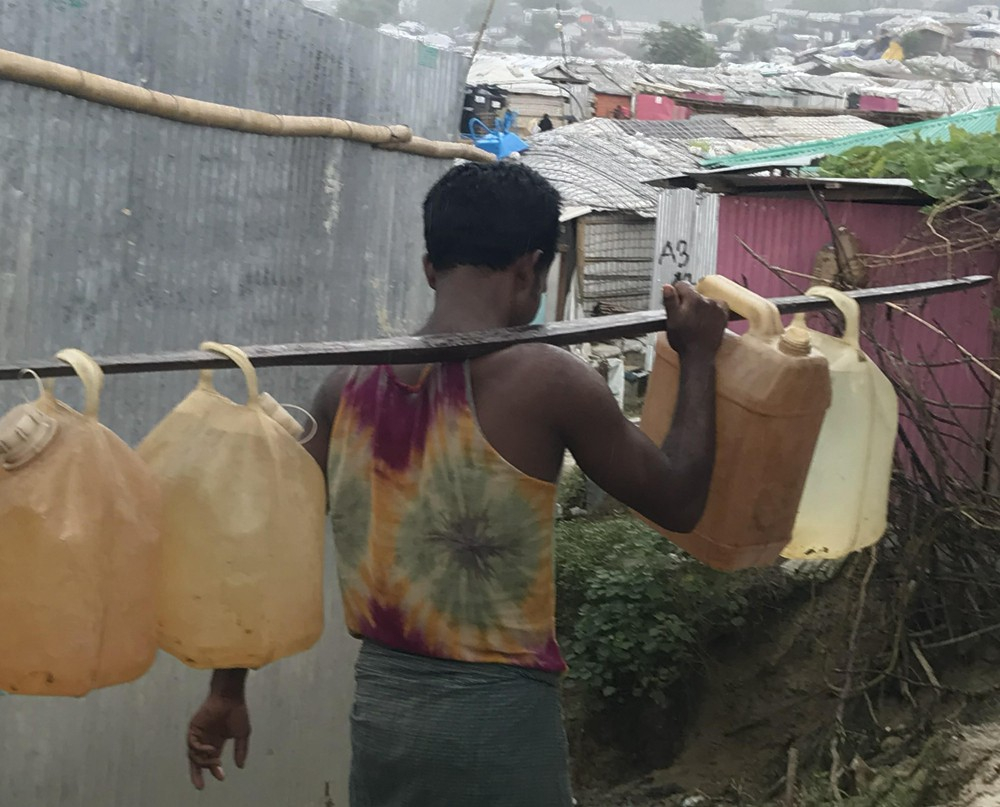
She actually peeped out to see if the drum placed outside her house to collect the rainwater was positioned correctly. "The only saving grace about rain is that we don't have to go and collect water, and we can bathe at least for two days if this drum is filled up with rainwater," pointing at the drum she shares.
The aid authorities and government representatives did not brief us about the situation. What we knew before we walked into a camp during rain was that more than 200,000 refugees face a dual danger of landslides and floods.
Just then, a 17-year-old boy passed by and stopped to see the strangers talking to an old woman. Noor Islam also lived in the same camp and had other stories to tell. "Well, the good thing about rain is that we can clean our latrines, which are shared by many and they leave them dirty as there is never enough water. When it rains, we are able to flush it out. The flip side of the rain is the latrines that are full, overflow and the muck spreads all around," complained Islam.
By now, one hour was over, and suddenly we found the laborer who had offered his shoes tapping on my shoulder. Of course, as promised, we had to return the gumboots and then walk barefoot for a while until we came back to the car. That was the most challenging walk, especially now that we knew that the water flowing might have been mixed with the sewage of the overflowing latrines.
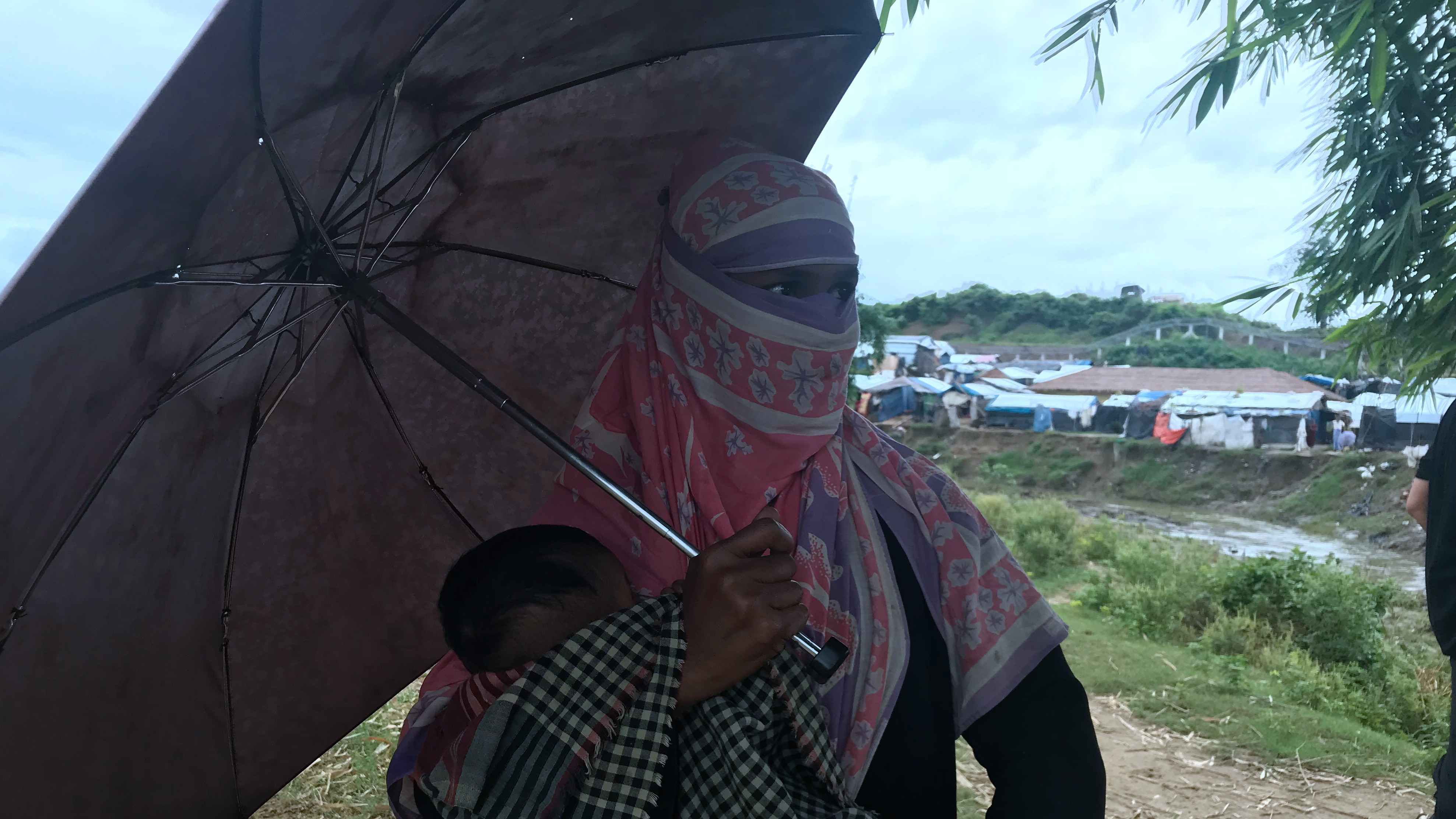
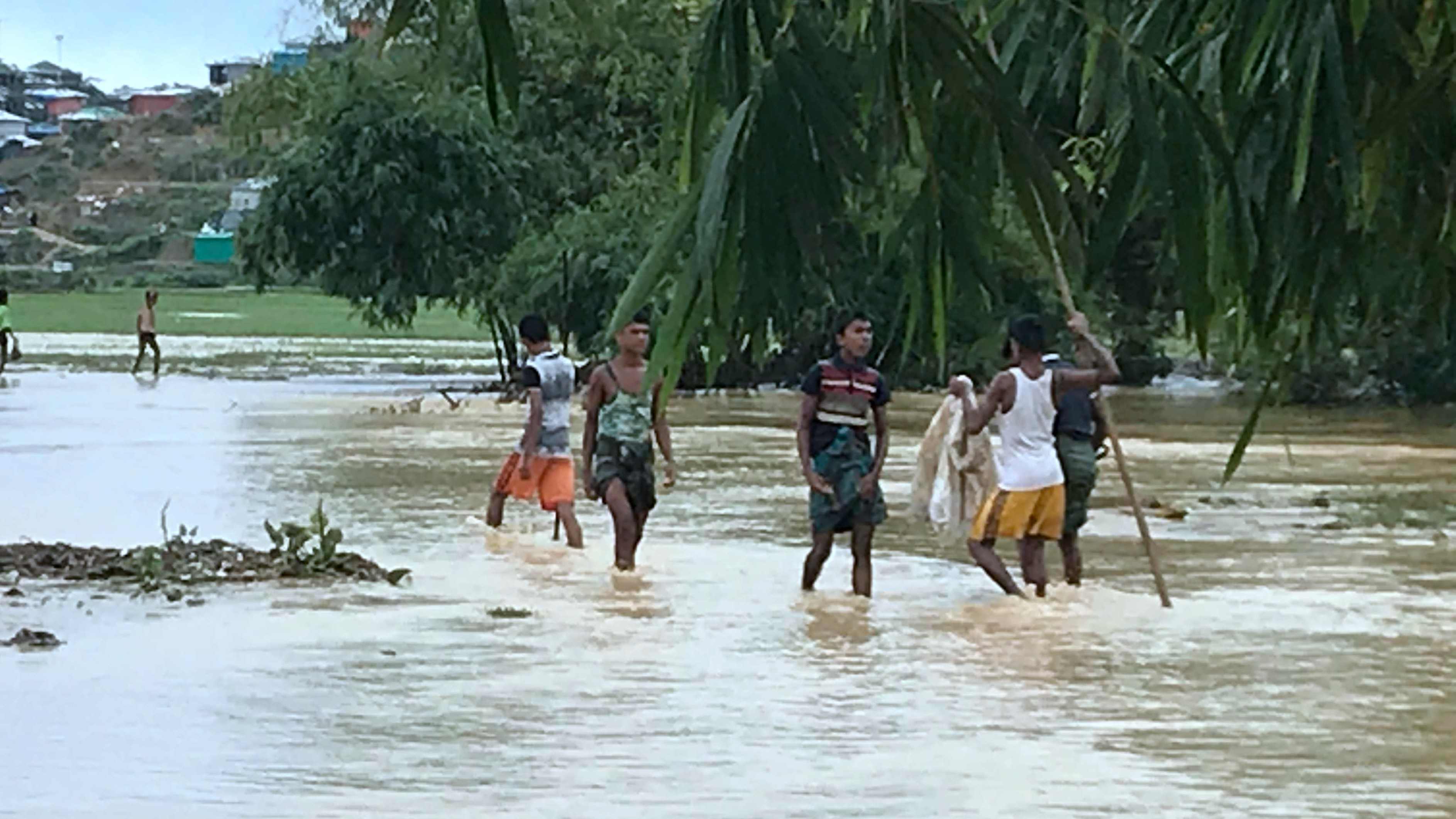
As we moved toward Kutupalong, the oldest refugee camp, we found refugees wading through floodwater. We saw Ramzaan Begum taking the support of her son while walking in knee-deep rainwater. We stopped to find out what was going on; of course, something was wrong.
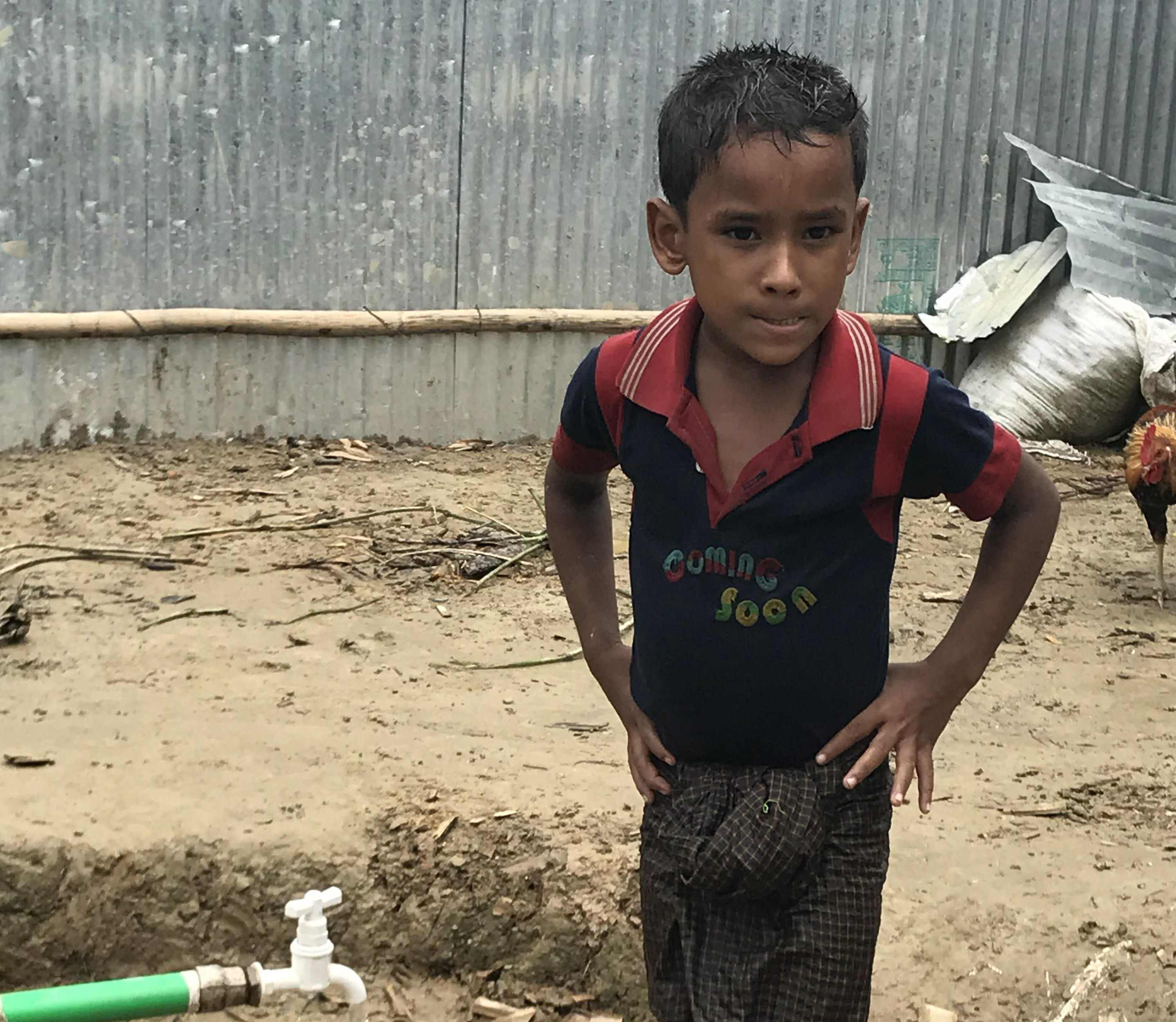
By the time we moved from here many kilometers into the extended part of Kutupalong, the rain had stopped. Suddenly the sun was shining again, and we were almost wiping our sweat. That was the range of weather changes we observed in this southeastern part of Bangladesh during our stay.
The rain gods were kind to the refugees as there were sunny days in between heavy showers. It was during these days aid agencies took actions to improve roads, stabilize slopes and strengthen the shelters. But given the scale of the refugee population and the challenging environmental conditions, it will be tough to keep all of these people out of danger.
She told us that she had been sick for the last few days but could not go to see a doctor as her camp was cut off from the main road after heavy rains. When her pain became unbearable, she asked her son to take her to the hospital. She wiped her tears and said, "We are facing a lot of difficulties as there is no path to walk. It's difficult to live under these conditions. If we are sick, we cannot access the road to get treatment on time. We cannot bring all that we buy for our daily use all the way to our houses as there is no road."