
Disease
22:35, 22-Jul-2018
Liu Zhengchen: From leukemia patient to advocate
Updated
22:14, 25-Jul-2018
 ["china"]
Share







Copied
04:26
Summer blockbuster “Dying to Survive” has hit a nerve in China, triggering heated debate on the country's drug prices.
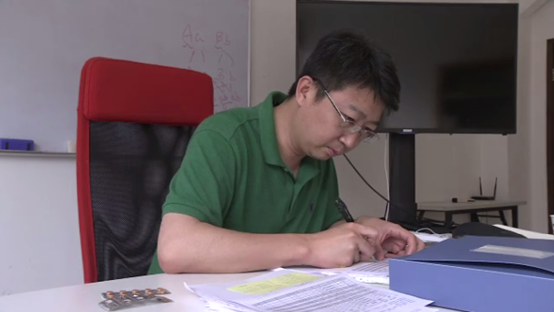
The movie, which based on a true story, is about a man who smuggles cheap drugs for leukemia patients from India to China. Liu Zhengchen’s charity helped arrange interviews with leukemia patients and their families for the movie.
“For example, a patient in Hunan Province is a mother of two. She has about 15,000 US dollars in the bank. When she knew about her disease and found out the life-saving drugs cost more than 3,000 US dollars per month, she killed herself to save money for her two kids,” said Liu Zhengchen, founder of New Sunshine Charity.
The expensive but life-saving drug for chronic granulocytic leukemia patients is called Gleevec – it targets only the diseased cells and has very limited side effects.
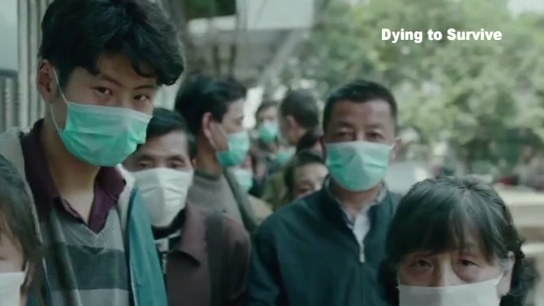
A scene from "Dying to Survive" features cancer patients community in China. /Photo via the trailer for 'Dying to Survive'
A scene from "Dying to Survive" features cancer patients community in China. /Photo via the trailer for 'Dying to Survive'
Liu is also a leukemia patient who’s taking the drug. Luckily, he has been granted free drugs for his charity work since Gleevec entered the Chinese market. But the financial burden still exists, he said, because his wife, also a leukemia patient, has to take a new targeted drug called Tasigna. The cost is around 700 US dollars per month after joining a scheme which covers 12 months of expenses with a three-month payment.
"It’s affordable for some middle- and high-income city dwellers but still not so much so for most of the low-income rural residents,” Liu said.
According to the National Cancer Center and Red Cross Society of China, cancer has become one of the most deadly diseases in China. At least three million people are killed by the disease annually. New diagnoses are increasing by 4.3 million each year as the growing of the population.
The high price of cancer drugs continue to dim victims' hopes of getting treatment. So Liu’s charity is doing more to raise money to give financial aid to cancer patients. He said the service has become their biggest job. But the hole is growing larger. “In five years, we have sent out financial aid worth 20 million US dollars, that’s a big sum. But compared with national medical insurance, it’s not that big of a number.”
He’s now striving to put more cancer drugs on the national medical insurance list, which reimburses patients. In some parts of China, Gleevec is already covered by medical insurance, but the reimbursement rate varies from place to place. For other drugs like Tasigna, there’s still a long way to go before it’s included.