
Energy
15:02, 09-Aug-2018
Hydro-power project to bring sea of change to Uganda
Updated
14:09, 12-Aug-2018
 ["china"]
Share







Copied
02:16
You have probably never thought of living your life without electricity, but there are some countries, where turning the light on is a luxury. Uganda is one of them.
There, more than 70 percent of the population has no access to power. The country is now gradually switching to hydro-power projects to meet its increasing demands.
As of July 2016, Uganda’s national generation capacity stood at 862 megawatts, according to the Uganda Electricity Generation Company Limited, and the country expects to generate at least 1,681 megawatts by the end of 2020.
Power crisis in Uganda
The smell burning charcoal is ubiquitous on the streets of Uganda’s capital Kampala. This is because biomass is the predominant type of energy source in the country, accounting for some 94 percent of the total energy consumption.
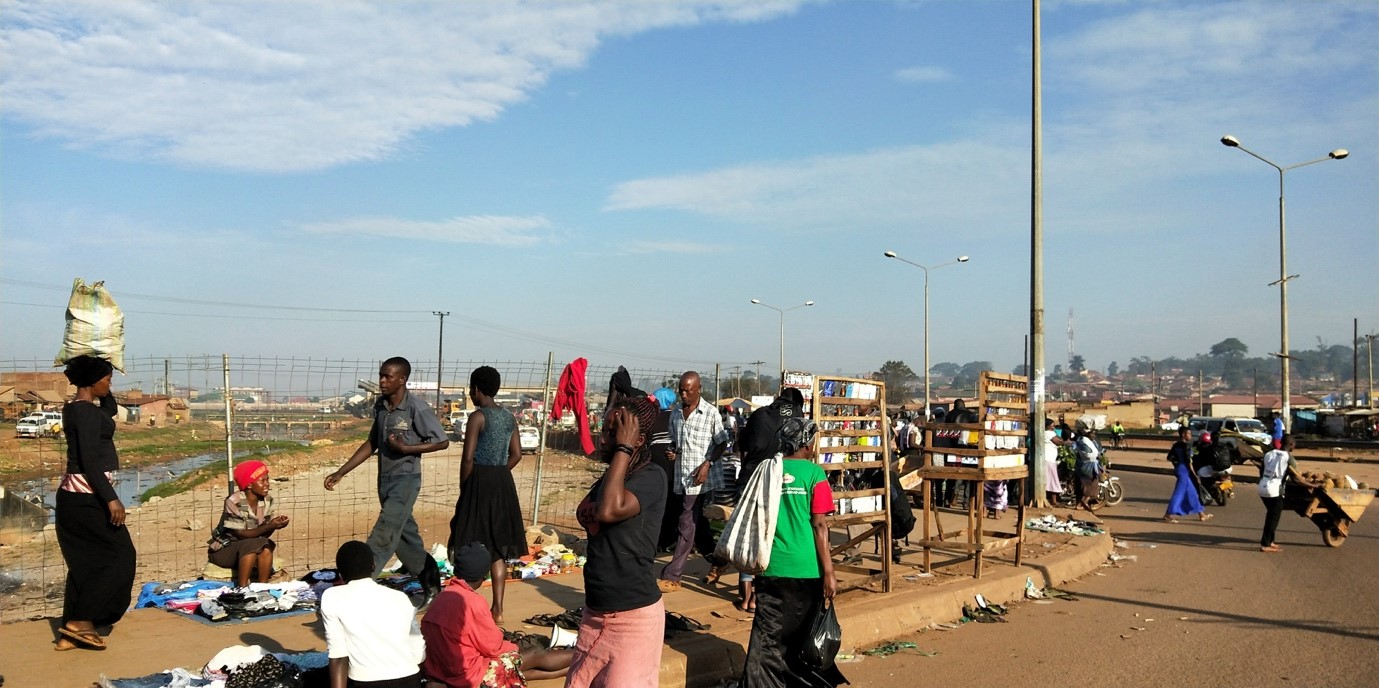
Most of Ugandans don't have access to electricity. /CGTN Photo
Most of Ugandans don't have access to electricity. /CGTN Photo
Charcoal is mainly used in the urban areas, while firewood, agro-residues and wood wastes are more used in the countryside. Only about 10 percent of all households use efficient stoves, according to the Ugandan Ministry of Energy and Mineral Development.
Solar power as alternative
The Ugandan government rolled out solar power projects in its capital for street lights in February this year. Authorities said it is an eco-friendly and cheap way of dealing with chronic electricity issues in the country.
Some people have already started to power their homes and businesses with off-the-grid solutions. But only a small portion of people in Uganda can do that, as the cost for the relevant accessories is rather high.
"Electricity in Nampany Village is a problem. There is no electricity in the entire village. People are resorting to using solar power, which is insufficient, because there is no money to support the accessories," said Bukenya Juma with the local village council.
Hydropower projects on the rise
"Our strategy is to develop half a dozen hydropower stations on the Nile," Ibrahim Kasita, Uganda’s director of communication in the Ministry of Energy and Mineral Development told African Business Magazine.
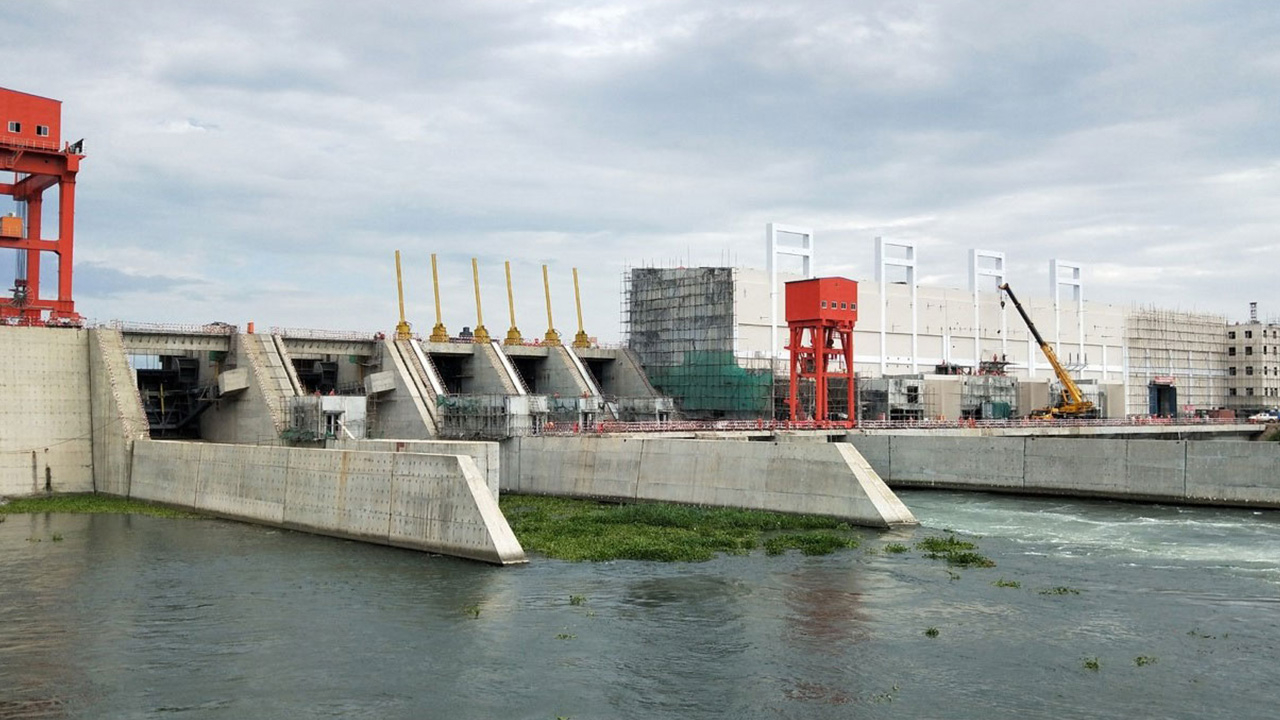
There are four hydropower projects in Uganda. Under a deal with the Export-Import Bank of China, Uganda secured concessionary loans to fund the development of two hydropower plants – namely the 600MW Karuma project that costs 1.44 billion US dollars and the 590-million-US-dollar Isimba 188MW power project.
"Uganda is in dire need of electricity. Once the hydro-power project is completed, it will, to a large extent, relieve the situation. And the surplus electricity can be transported to neighboring countries, so as to increase the country’s revenue," said Project Manager of Isimba Hydropower Project in Uganda Wang Yongtian.
With the completion of the Isimba Hydropower Project, the electricity price is expected to be the lowest in east Africa.
(Cover: Isimba Hydropower Project in Kayunga, Uganda. /CGTN Photo)