
Politics
16:37, 05-Jul-2018
ROK citizens bank on hoops for peace
Updated
16:13, 08-Jul-2018
 ["china"]
Share







Copied
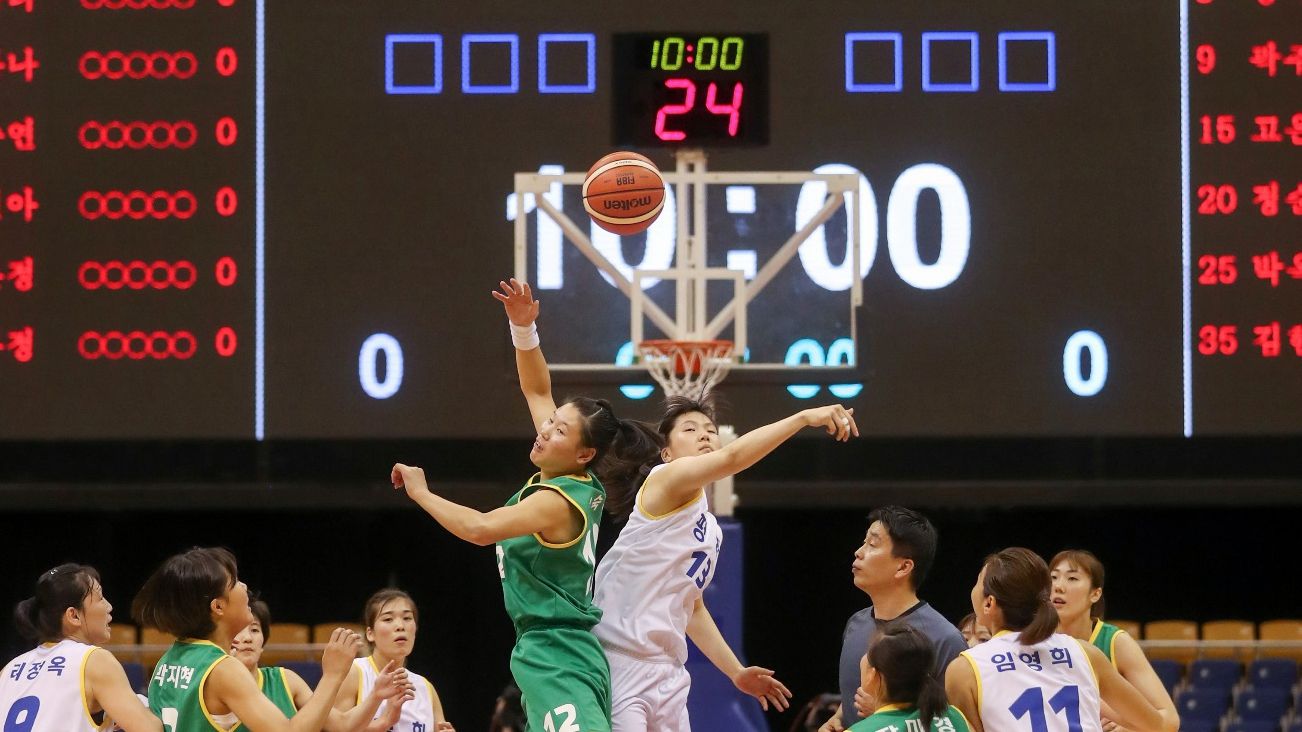
It’s tipoff time for unification basketball.
Hoopsters from the Republic of Korea (ROK) and the Democratic People’s Republic of Korea (DPRK) are playing a series of friendly exhibitions this week.
Men’s and women’s scrimmages were held on Wednesday, mixing athletes from both sides on teams aptly named “peace” and “prosperity.”
Players were communicating plays, coaches were busy barking orders.
Translators were nowhere to be seen since Korean is a common language spoken on either side of the demilitarized zone (DMZ).
“I believe that this reunification basketball event held in line with the summit agreement will expand and advance sports exchanges and greatly contribute to reconciliation of our people and unity,” said ROK Unification Minister Cho Myoung-gyon.
Many ROK citizens are closely following what’s been dubbed as “unification basketball.”
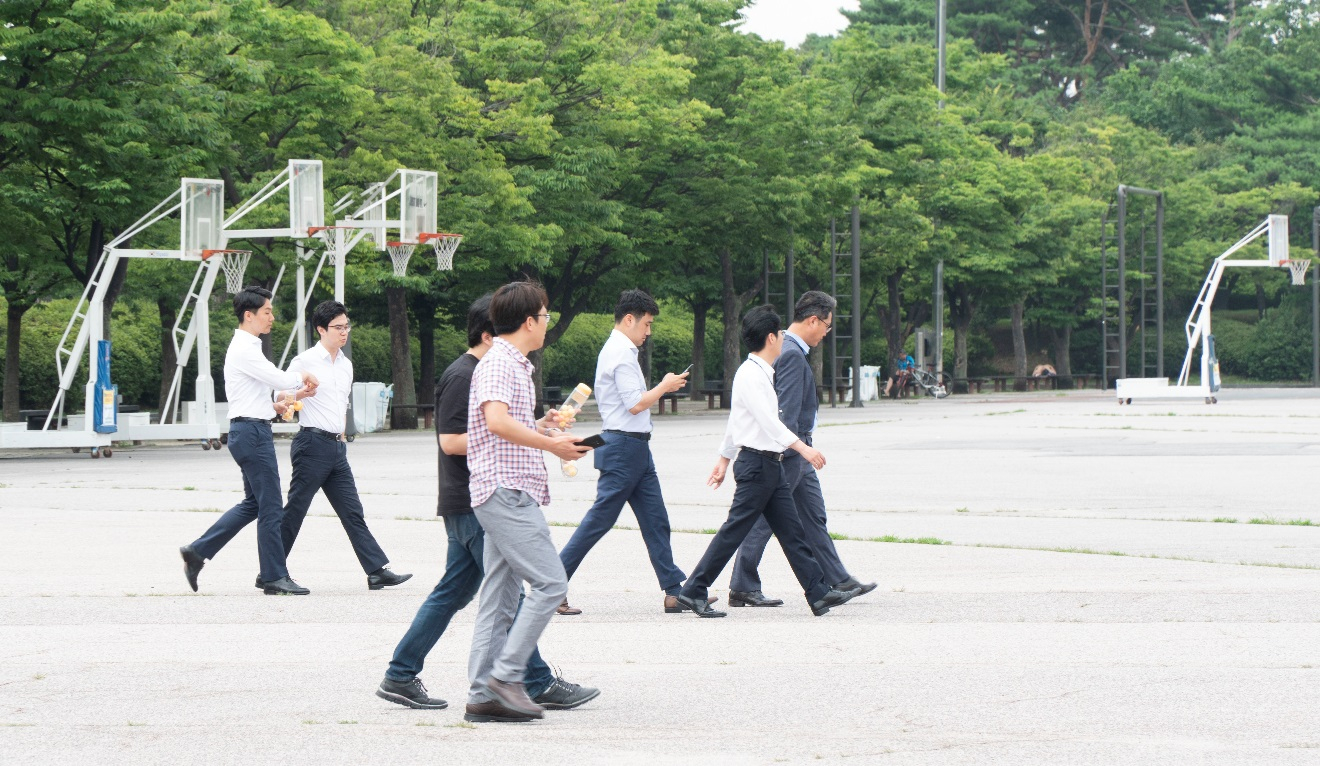
Seoul residents walk past a basketball court in a park in central Seoul, ROK, July 5, 2018. /CGTN Photo
Seoul residents walk past a basketball court in a park in central Seoul, ROK, July 5, 2018. /CGTN Photo
But most couldn’t care less about wins and losses.
“There needs to be continued exchanges between South (ROK) and North (DPRK) to gradually improve relations. Even if it doesn’t lead to unification immediately, it’s important to alleviate the stiff mood,” said Seoul resident Park Yun-soo.
Park says he is an avid basketball fan much like DPRK leader Kim Jong Un, who was reportedly fond of the Chicago Bulls team of the 1990s led by NBA legend Michael Jordan.
“The basketball match is another opportunity to come together and break any barriers of mistrust,” said another Seoul resident, Cho Mi-hyang.
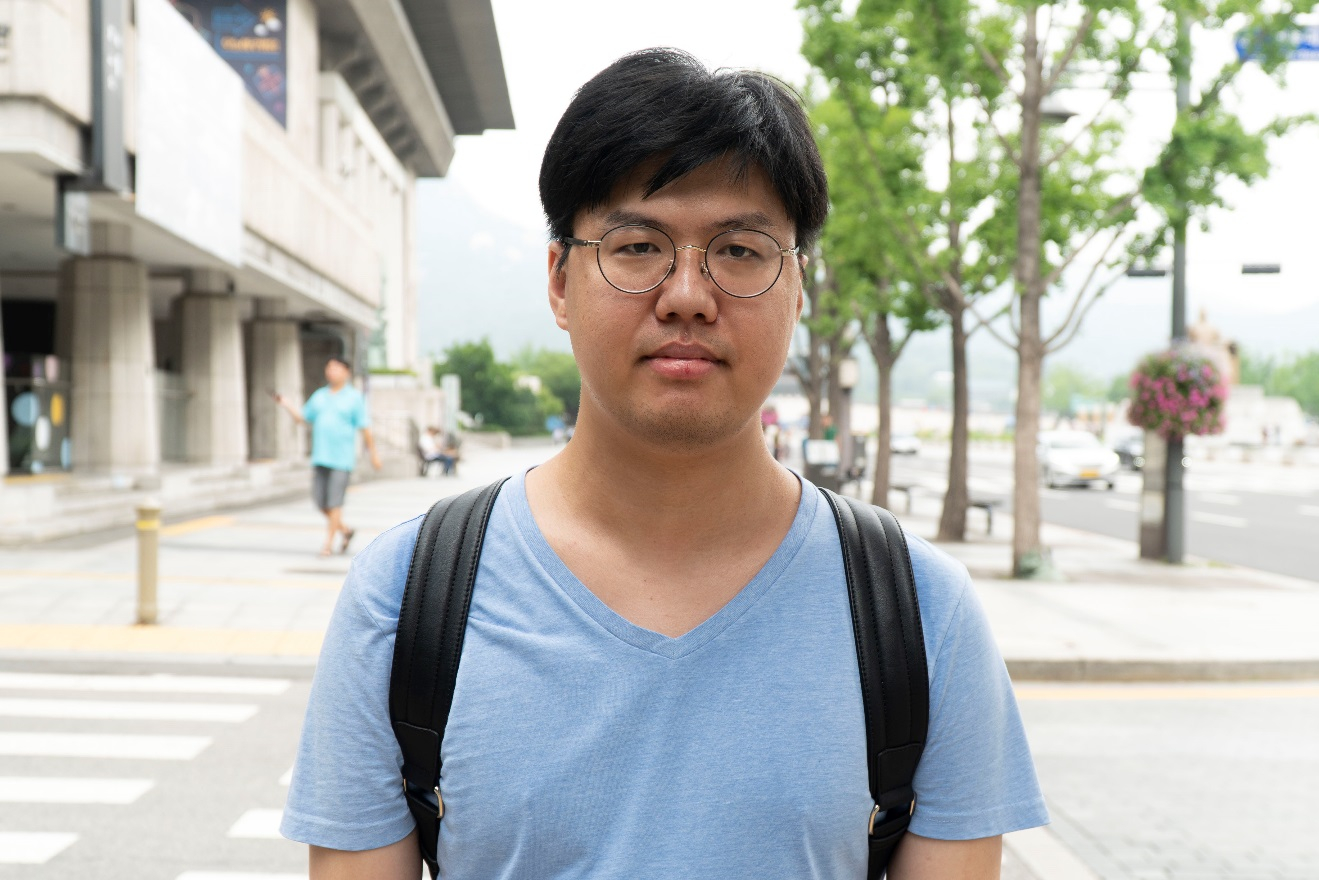
Seoul resident Park Yun-soo, July 5, 2018. /CGTN Photo
Seoul resident Park Yun-soo, July 5, 2018. /CGTN Photo
It’s been 15 years since the ROK and DPRK held exhibition matches in basketball.
It follows a string of sports diplomacy this year starting with the PyeongChang Winter Olympics.
More cooperation is upcoming at the upcoming Asian Games in Indonesia.
Sports diplomacy between the two sides dates back to the 1991 World Table Tennis Championships, when Team Korea pulled off a stunning upset of China in the women’s team event.
Since then there have been numerous instances of athletes from the ROK and DPRK sharing the same court or field.
Exhibitions this week are being played at Pyongyang’s Ryugyong Chung Ju-yung Gymnasium, named after the late founder and chairman of the ROK’s Hyundai conglomerate.
Construction of the 12,000-seat venue was completed in 2003 at a cost of 53 million US dollars, the majority of which was funded by Hyundai.
Most recently in April, it was the site of a K-pop concert for Pyongyang residents by a troupe of ROK artists.
The arena is a symbol of inter-Korean cooperation. But citizens of the ROK know all too well that relations can turn sour at any given moment based on the past.
According to Park, “administrations have changed over the years. We must give these exchanges a chance. The alternative is much too risky.”