
TV Show
14:52, 08-May-2019
How to prevent sexual abuse in the Catholic Church
 ["china"]
Share







Copied
01:10
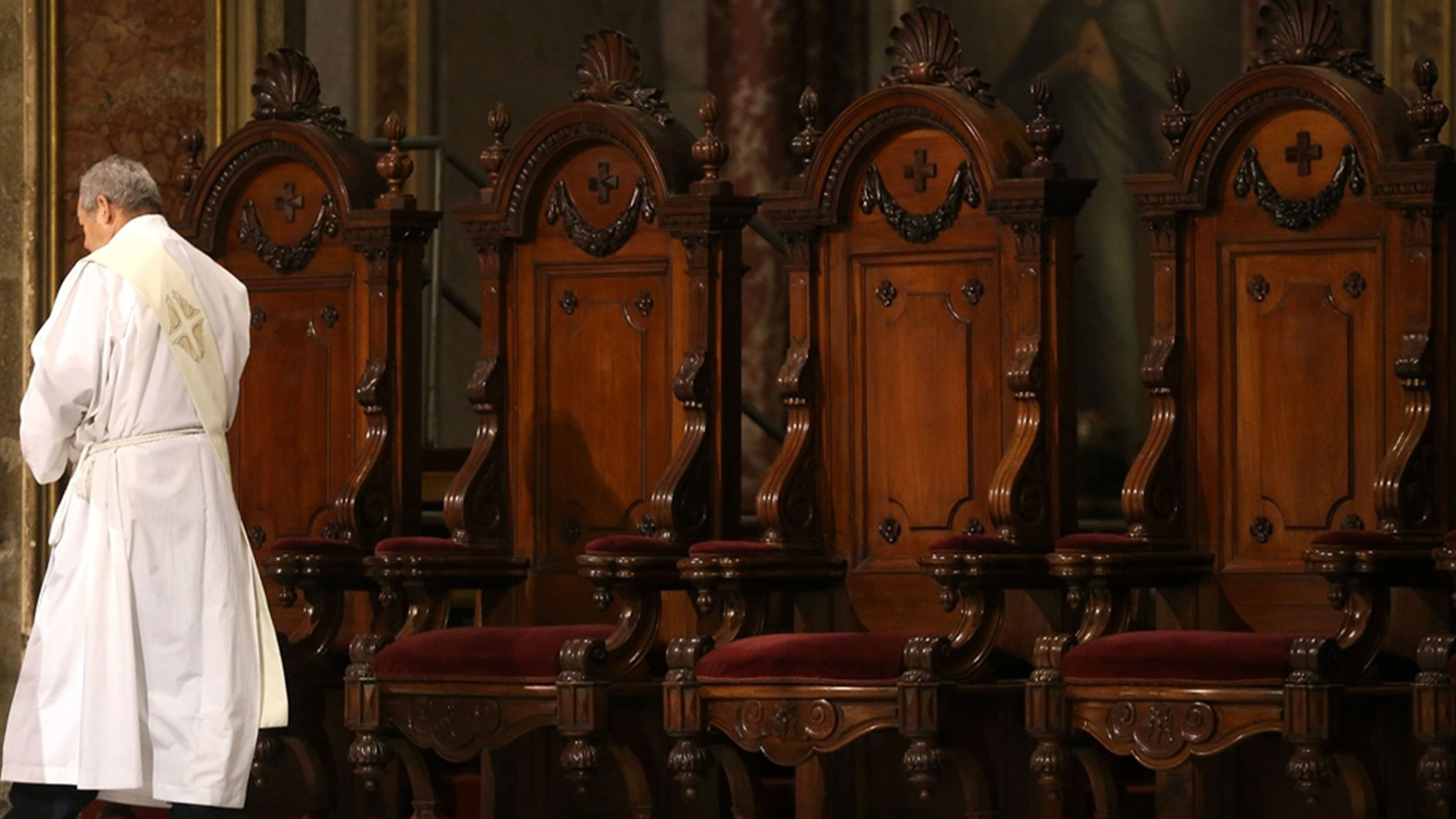
From Australia to Ireland and then the United States, the Catholic Church has faced tens of thousands of child sexual abuse accusations in the last few decades.
Pope Francis, the leader of over 1 billion Roman Catholics across the world, is visiting Bulgaria and North Macedonia this week. Besides wealth inequality and immigrant issues, the long-time sexual abuse crisis still remains a major issue for the pontiff
In February, he brought together leaders of the Catholic Church from around the globe to the Vatican as he tried to address it. Groups of protesters hit the streets to urge protections for victims. Recently, over 30 priests were sentenced to prison for abusing and molesting children.
The 82-year-old Pope Francis has set out guidelines to prevent the crimes, but there is still much to do.
“I don't think the Pope has done anything basically,” says Tim Lennon, a sexual abuse survivor and president of SNAP. He thinks more actions are needed, and he believes civil groups are the ultimate forces in pushing forward progress.
In addition, Lennon thinks the Pope has the responsibility to expose sexual abuse to society. He indicates that Cardinal Pell, the Catholic cleric who was jailed for six years in February, still holds the current position as the principal of the church. The Pope has also refused an abuser's resignation.
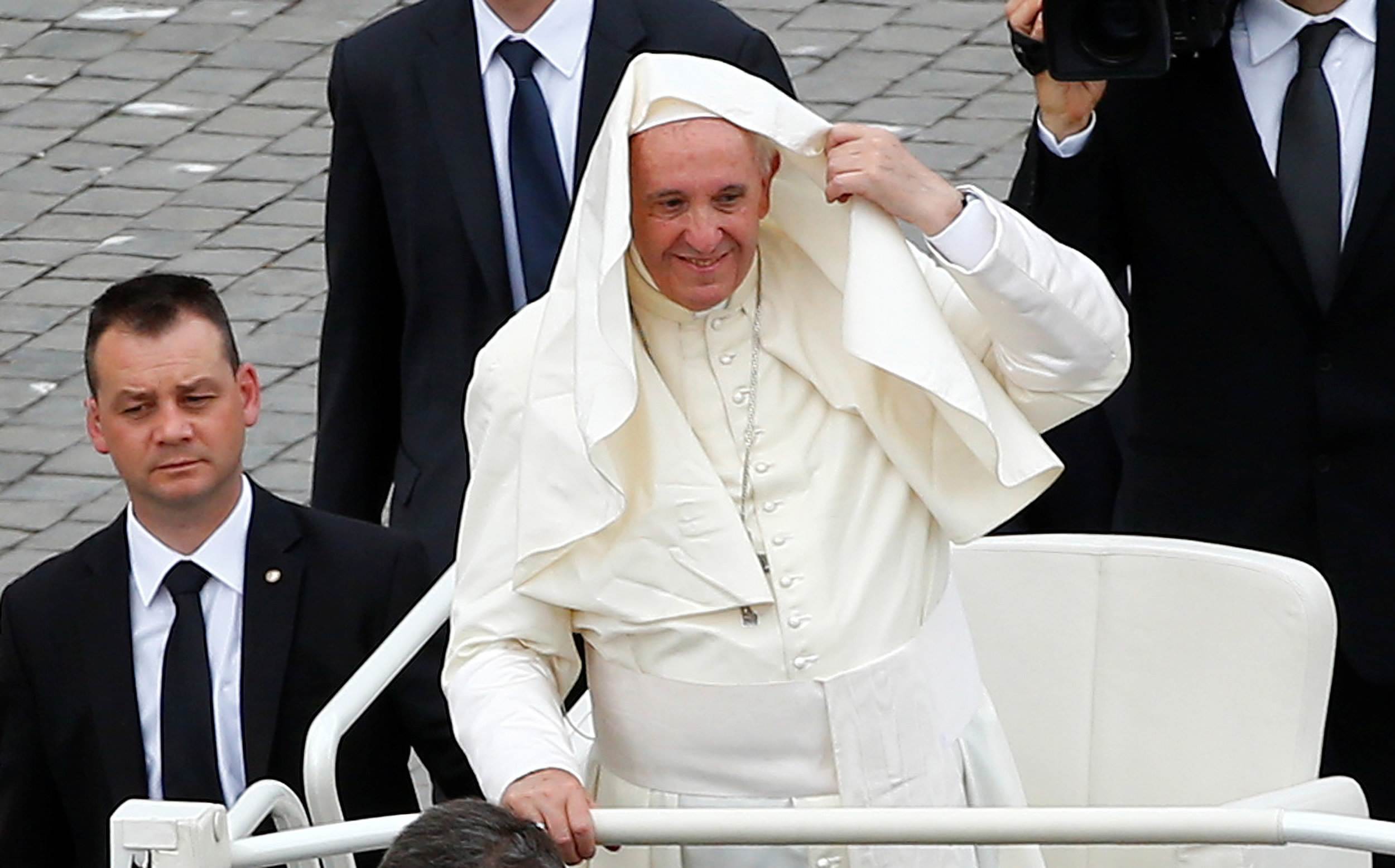
Pope Francis leaves at the end of the Holy Mass for the Solemnity of St. Peter and Paul in Saint Peter's Square at the Vatican, June 29, 2017. /VCG Photo
Pope Francis leaves at the end of the Holy Mass for the Solemnity of St. Peter and Paul in Saint Peter's Square at the Vatican, June 29, 2017. /VCG Photo
Lennon thinks many recent movements and protests have been effective in pushing churches to release the names of abusers. He condemns the churches that still hide the names of predators, and even in the released ones, the public rarely sees the truth.
Donna Ducette, executive director of a Voice of the Faithful, introduces the progress on advocacy in the United States and illustrates how the inherent structure of the church plays a role in the scandal.
Ducette points out that many abuse reports are still missing. “The bottom line here is you got to open all these files, and you have to hold all the bishops accountable,” she says.
She stresses that we have to look at the inherent structure of bishop churches. The hierarchy remains deeply rooted, as everyone in the church has to listen to the top.
She thinks that social movements are crucial steps for the sexual abuse issue, and all those churches need to do is to move forward.
Matthias Katsch, German activist agrees with her opinion, that “Zero Tolerance” remains a famous slogan. “The universal law of the church is still the same,” he says. In Katsch's opinion, nothing has happened on this issue, and only civil actions can address the crisis.
In addition, Katsch says that the advocacy groups are constantly organizing events and gatherings around the world. “We count on the support of the civil societies to have this pressure on the church,” says Katsch.
Lennon agrees with Katsch and adds that prosecutors and politicians need to do their job to protect the affected communities. Now, 19 states in the U.S. have signed up for initiatives to investigate this issue.
“As long as they (churches) cover up, my belief is no community is safe,” Lennon says.
“The church is not being upfront,” says Ray Flynn, former U.S. Ambassador to the Vatican and former mayor of Boston. He urges for transparency in the investigation reports.
“There should be some laypeople dealing with this issue.” Flynn suggests that the problem should not stay in house but needs to open up to outsiders.
The Heat with Anand Naidoo is a 30-minute political talk show on CGTN. It airs weekdays at 7:00 a.m. BJT and 6:00 p.m. Eastern in the United States.
(If you want to contribute and have specific expertise, please contact us at opinions@cgtn.com.)