
China
14:47, 28-Apr-2018
Museum in SW China revives a giant panda with plastination technique
 ["china"]
Share







Copied

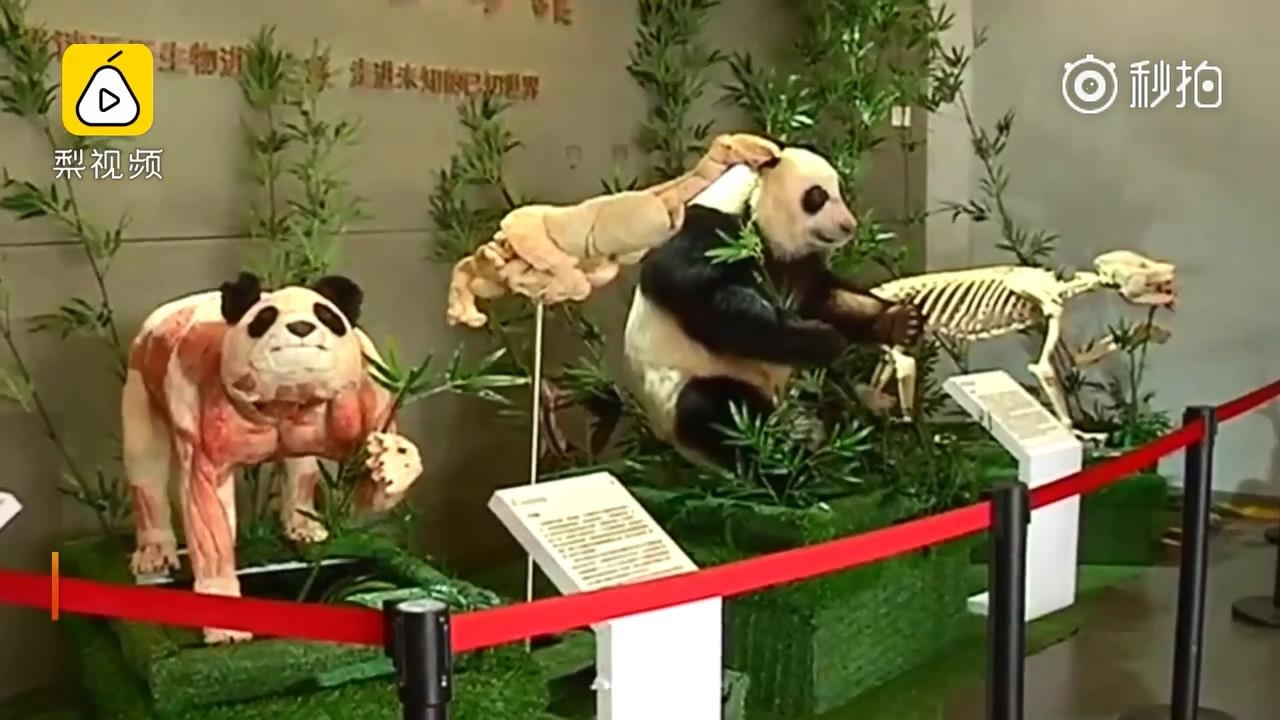
A museum in southwest China’s Sichuan Province, home of the national treasure of giant pandas, has put the world’s first plastinated remains of a giant panda on display.
The exhibition, aimed at raising people’s awareness of the species and its conservation, has been held at the Mystery of Life Museum in Chengdu since Wednesday.
/Screenshot from Pear Video
/Screenshot from Pear Video
The specimen was made from Xinni’er, a beloved giant panda by the public that died from an intestinal blockage in February 2016.
With a joint effort from the museum and China Conservation and Research Center for Giant Pandas, it took a year to make this plastinated specimen.
As Wu Jun, director of the museum, told sichuan.scol.com.cn, the mechanism of plastination is to replace the water and fat from panda Xinni’er with certain plastics. Thus, the specimens would not smell or decay, and even retain most properties of its original status.

/Screenshot from Pear Video
/Screenshot from Pear Video
Besides, compared with the traditional ways which can only preserve the skin and bone of the sample, plastination makes all the panda’s fur and skin, bones, muscles and organs well preserved.
Visitors are able to see it as four individual specimens, learning more secrets of life from this vivid display of the species' anatomy.
Screenshot from Pear Video
Screenshot from Pear Video
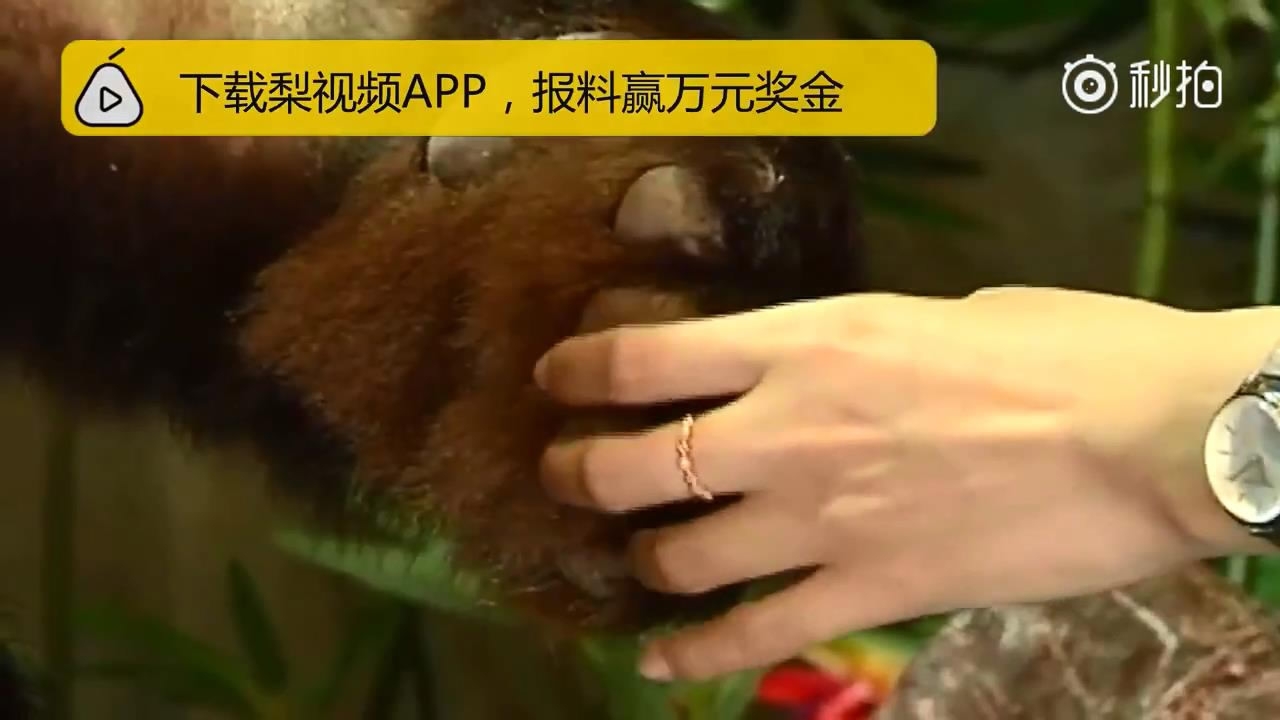
“Plastinated specimen is not toxic or having any annoying smell like formalin,” Wu said. “Visitors can see it at a closer distance or even touch it with their hands.”
“To prevent decay, those traditional specimens will be maintained twice in a year,” Wu said. “But for plastinated specimen, wiping off the dust will be all the work.”

/Photo via sichuan.scol.com.cn
/Photo via sichuan.scol.com.cn
The exhibition will be free of charge as a not-for-profit event and will lasts for two months.