
World
18:13, 15-Oct-2018
Israeli fans sue New Zealanders over canceled Lorde concert
Updated
17:54, 18-Oct-2018
 ["china"]
Share







Copied

In December 2017, Grammy-winner and New Zealand singer Lorde, canceled her scheduled June 2018 Tel Aviv performance. In response, three Israeli teens are suing two New Zealand women for damages.
The New Zealand women wrote an open appeal letter to Lorde, urging her to cancel her June 2018 Israel appearance on humanitarian grounds. Here's an excerpt from that letter:
"Today, millions of people stand opposed to the Israeli government's policies of oppression, ethnic cleansing, human rights violations, occupation and apartheid. As part of this struggle, we believe that an economic, intellectual and artistic boycott is an effective way of speaking out against these crimes. This worked very effectively against apartheid in South Africa, and we hope it can work again."
Invoking a new "anti-boycott law" for the first time, Israel's court ordered the women to pay 18,000 New Zealand dollars (12,000 US dollars) in damages to the Israel teenage trio on grounds of "artistic damage" and damaged reputations "as Israelis and Jews."

Lorde performs at the 2018 MusiCares Person of the Year gala at Radio City Music Hall in New York, January 26, 2018. /VCG Photo
Lorde performs at the 2018 MusiCares Person of the Year gala at Radio City Music Hall in New York, January 26, 2018. /VCG Photo
In the bigger picture, this is Israel's legal pushback against the organization backing the New Zealand women: BDS.
The Boycott, Divestment, Sanctions (BDS) movement describes its efforts as "working to end international support for Israel's oppression of Palestinians and pressure Israel to comply with international law."
BDS and Israel's anti-boycott law
BDS, formed in 2005, spearheads major anti-Israel boycott campaigns in cultural, academic and economic sectors.
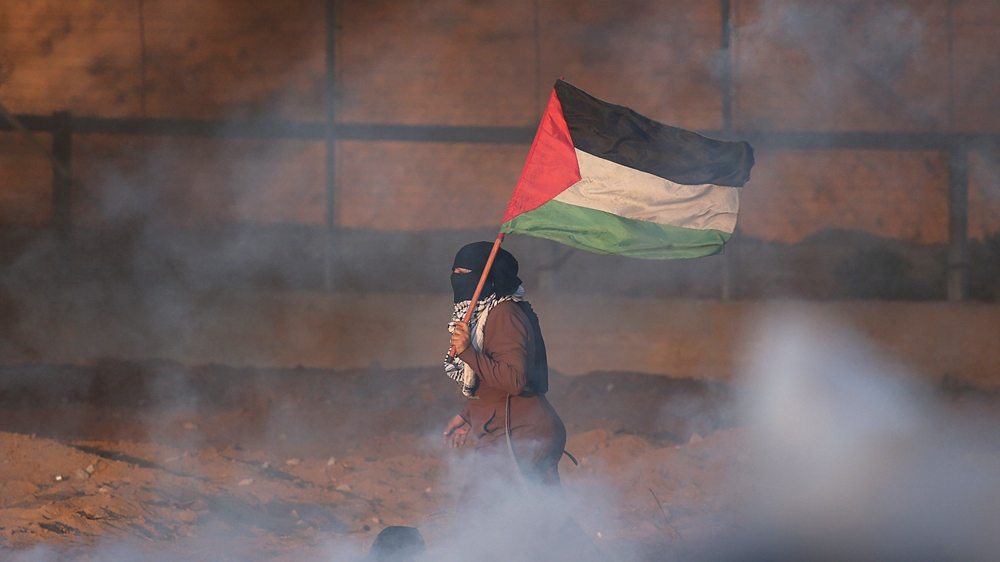
A Palestinian protester holds a Palestinian flag in Gaza. /VCG Photo
A Palestinian protester holds a Palestinian flag in Gaza. /VCG Photo
One BDS success is the SodaStream boycott. BDS pressure against purchasing the home soda machine manufactured by Israel in the occupied West Bank caused company share prices to fall dramatically – SodaStream eventually relocated to southern Israel.
To counter the effects of BDS campaigns, Israel passed an anti-boycott law in 2011 saying anyone who encourages a boycott of Israel is subject to civil suit.
Israel's court invoked that law last week against the two New Zealand women.
What happens next?
It's up to New Zealand's court to either honor and enforce the Israel ruling – or not.
Referring to the ruling as a "stunt" and "bullying," the two New Zealand women issued a statement Friday saying they have no intention of paying and are looking to New Zealand's government to back them.
"Our advice from New Zealand legal experts has been clear. Israel has no right to police the political opinions of people across the world," the statement read.