
Music
21:10, 10-May-2019
Cellist Chu Yibing brings chamber music to Beijing
 ["china"]
Share







Copied
04:19
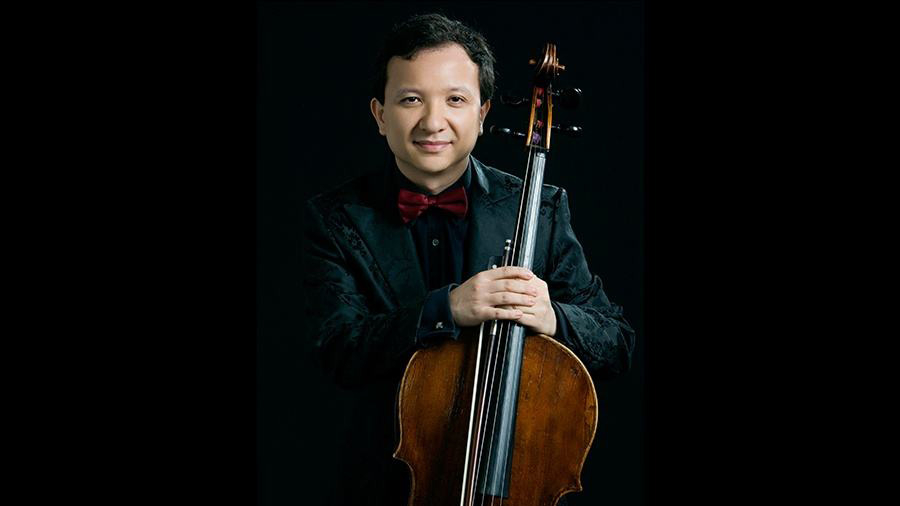
As part of the ongoing May Festival at the National Center for the Performing Arts in Beijing, cellist Chu Yibing treated the audience to a concert with his cello ensemble.
From Chopin's melancholic piece written for piano and cello, to Chinese folk music Eclogue, Chu and his ensemble explored the versatility of the cello.
Chu started learning the cello at age eight and went to Europe to pursue his music studies at the age of 17.
He later became the principal cellist of Switzerland's Basel Symphony Orchestra.
In 2004, he made a decision that astonished everyone, he quit his job leading orchestra and returned to China, to become the head cello teacher for the Central Conservatory of Music.
In a previous interview, Chu joked that some of the young musicians in China's ability to collaborate with each other are as poor as the Chinese football players.
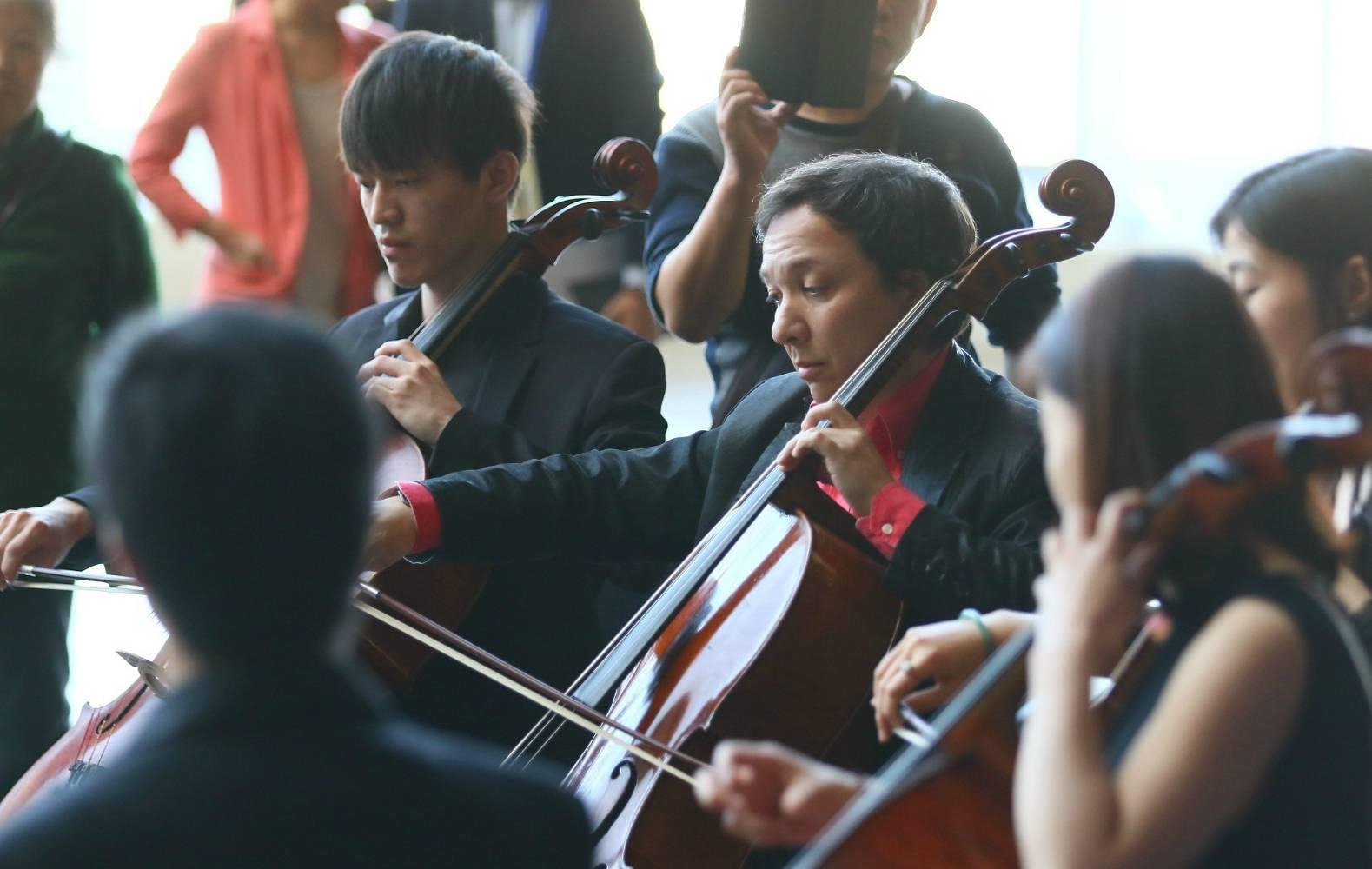
Chu Yibing performing at a charity concert. /Photo provided by NCPA
Chu Yibing performing at a charity concert. /Photo provided by NCPA
He added: "They are a bunch of good people, fantastic people, individually, but they are soldiers without a general. Because in chamber music, you can't just follow. In the orchestra, you have 12 or 14 cellists, so you just have to play with the others, it's OK. But in chamber music, you have your own part, and your neighbor the violist, the violinist will have his or her own part. So everyone has their own part, but together we'll be (playing) in harmonic world.”
Chamber music has often been seen as classical music's poor relation. But thanks to musicians like Chu, the genre has seen a revival in the country in recent years.
Chu shared with CGTN: "For me chamber music is like Mount Everest. Our cello ensemble has played almost 600 charity concerts during these last 15 years, all over the country. You know classical music is just like classic poetry from the Tang and Song dynasties, you can read it yourself, but it's not interesting, you must do it publicly.”
When asked whether there's room for it in the musical world, Chu said: “You know the difference between technique and art? Technique without revolution is nothing, but please let me tell you, real art, doesn't need any revolution, it's timeless. That's the main difference.”