
Opinions
16:46, 26-Apr-2018
Opinion: ASEAN is at an 'inflection point'
 ["other","Asia"]
Share







Copied

Leaders from the ten ASEAN member states gather for the kick off of the 32nd ASEAN Summit under the theme of “Resilience and Innovation,” to discuss regional and international issues.
ASEAN is at an “inflection point,” said Nirgunan Tiruchelvam, director of ASEAN Consumer at Standard Chartered. The essence and unity of ASEAN are becoming even more critical amidst global and regional changes caused by geopolitical power shifts, international security flash points, domestic political transformations, disruptive technology and growing protectionism.
Singapore’s ASEAN chairmanship this year aims to step up efforts to establish a high-quality regional trading system, promote collaboration on cybersecurity and create an ASEAN smart cities network.
The goal addresses working towards completing a model ASEAN extradition treaty that will continue to strengthen economic and financial resilience while deepening ties with external partners and enhance collective resistance against the common threat like terrorism and violent extremism. The policies needed to make these changes are expected to be adopted at the summit.
The ongoing conflicts in Syria, emerging geopolitical trends on the Korean peninsula, humanitarian crisis in the Rakhine state of Myanmar, unfolding trade spat between China and the US, and South China Sea will also be discussed.
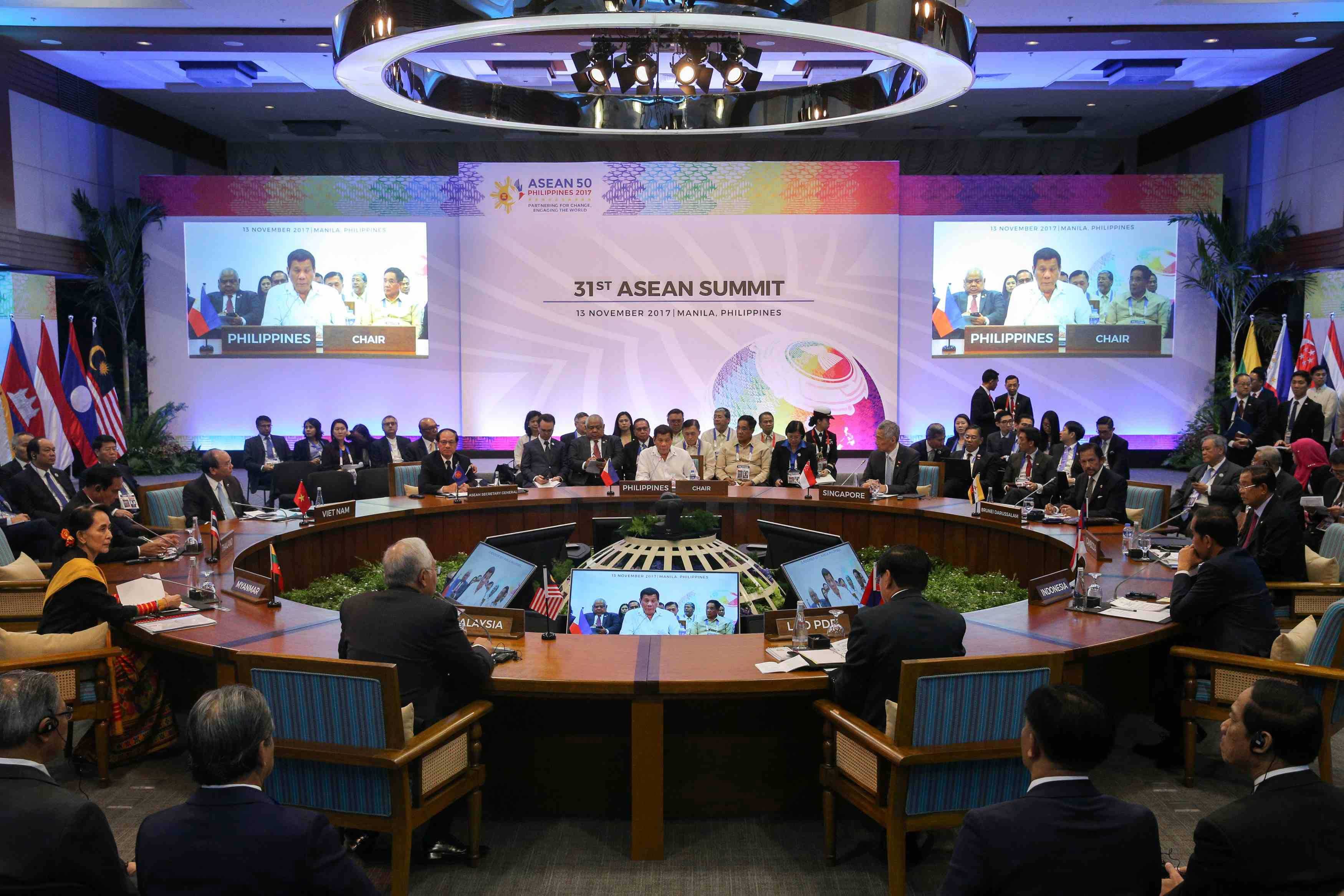
ASEAN leaders attend the opening session of the 31st ASEAN Summit in Manila, Philippines, November 13, 2017. /Reuters Photo
ASEAN leaders attend the opening session of the 31st ASEAN Summit in Manila, Philippines, November 13, 2017. /Reuters Photo
The ongoing trade spat between China and the US is unfolding,and the impacts can be significant as it is causing downward pressure on the world economy through tax hikes. ASEAN economy, which has become more integrated into regional and global supply chains, can be affected either directly or indirectly, although the US’s protectionist trade policy is mainly aimed at China.
ASEAN has determined to maintain and strengthen an open, liberal multilateral trading system in the region to sustain the momentum of economic growth. One way to deepen regional integration is to conclude the Regional Comprehensive Economic Partnership (RCEP) swiftly.
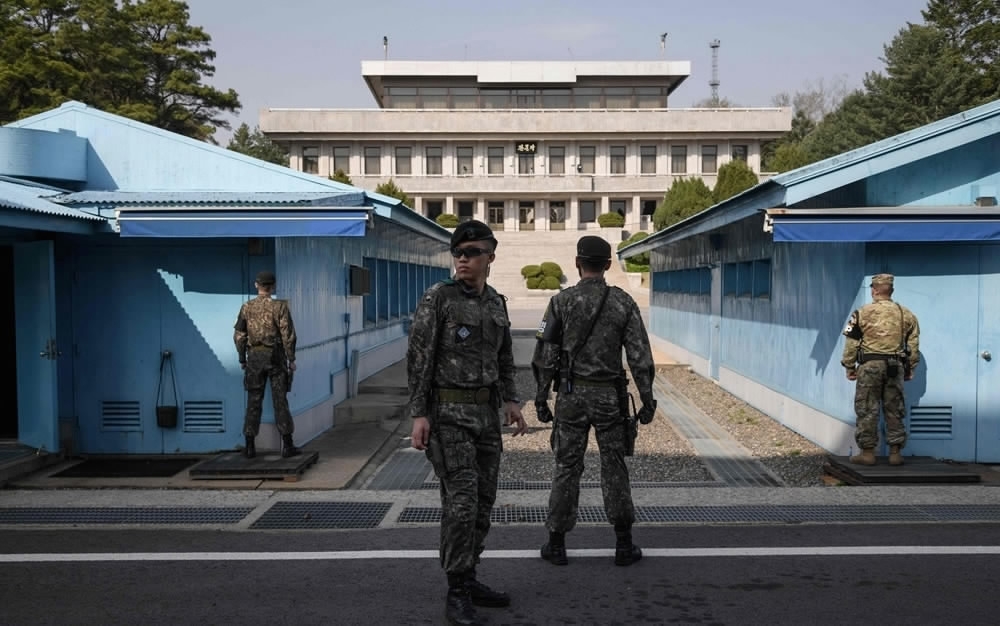
The truce village of Panmunjom within the Demilitarized Zone (DMZ) separating the DPRK and the ROK. /VCG Photo
The truce village of Panmunjom within the Demilitarized Zone (DMZ) separating the DPRK and the ROK. /VCG Photo
Negotiation over RCEP has been sluggish due to the disagreement over the modality of tariff reduction on trade in goods, liberalization measures of trade in services and investment liberalization framework. Some countries, particularly India, are reluctant to liberalize their markets. It is recognized that RCEP will be the largest free-trade arrangement in the world with over 3.5 billion people and about one-third of the global economy.
The conclusion of RCEP will strengthen ASEAN centrality in regional economic architecture, facilitate trade and investment flows, support small and medium enterprises (SMEs) in engaging in global and regional supply chains and deepen ASEAN’s economic partnerships with its six Free Trade Agreement partners.
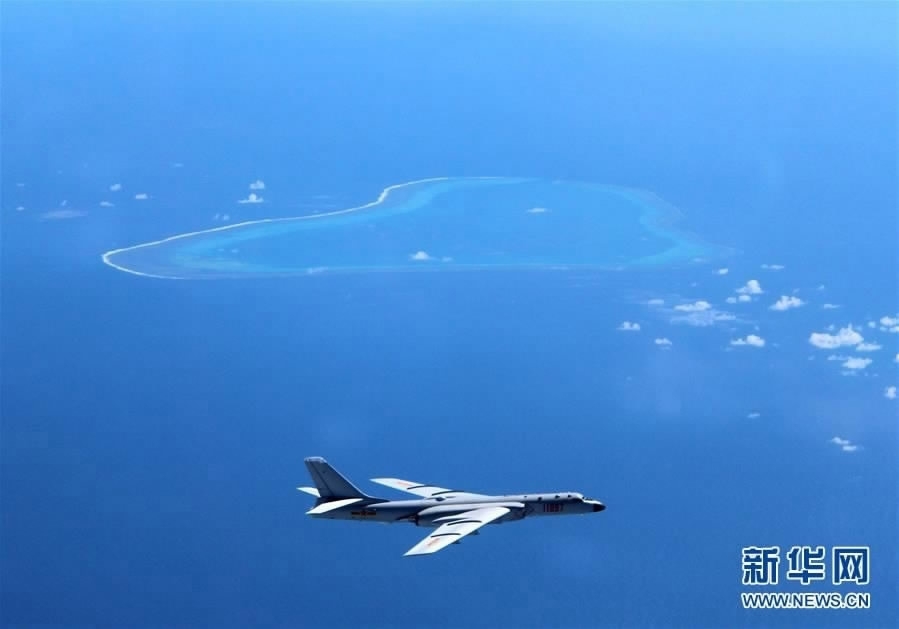
South China Sea /Xinhua Photo
South China Sea /Xinhua Photo
Other challenges that ASEAN is facing are the humanitarian crisis in the Rakhine State of Myanmar and the South China Sea. The repatriation of refugees from Bangladesh to Myanmar is economically costly and politically sensitive.
Perhaps one of the reasons the state counselor of Myanmar, Aung San Suu Kyi plans to skip this year ASEAN summit this week is to avoid direct criticism and pressures from her ASEAN colleagues. ASEAN has been urged to take concrete actions to intervene and mitigate the humanitarian crisis in Myanmar.
The negotiations for the Code of Conduct (COC) in the South China Sea remain sensitive and complicated. Disagreement over whether the COC is legally binding slows down the negotiation process.
ASEAN members do not have a strong consensus on the core elements to be included in the COC. Some member countries are interested in putting conflict resolution mechanism in the COC while others are reluctant.
Challenges are ahead for ASEAN leaders. As they continue to reforms and open up with higher adaptability will help the countries navigate through global power shifts, uncertainties and ride the tide of global trends.
ASEAN centrality and relevance largely depend on the political will and leadership of each member state and ASEAN’s collective capacity in addressing regional and global challenges.
(The author is a visiting fellow at ISEAS-Yus of Ishak Institute in Singapore. The article reflects the author's opinion, and not necessarily the views of CGTN.)