
Opinions
18:10, 19-Jul-2018
Opinion: What’s next for Turkey after lifting its state of emergency?
Updated
17:46, 22-Jul-2018
 ["other"]
Share







Copied
04:39
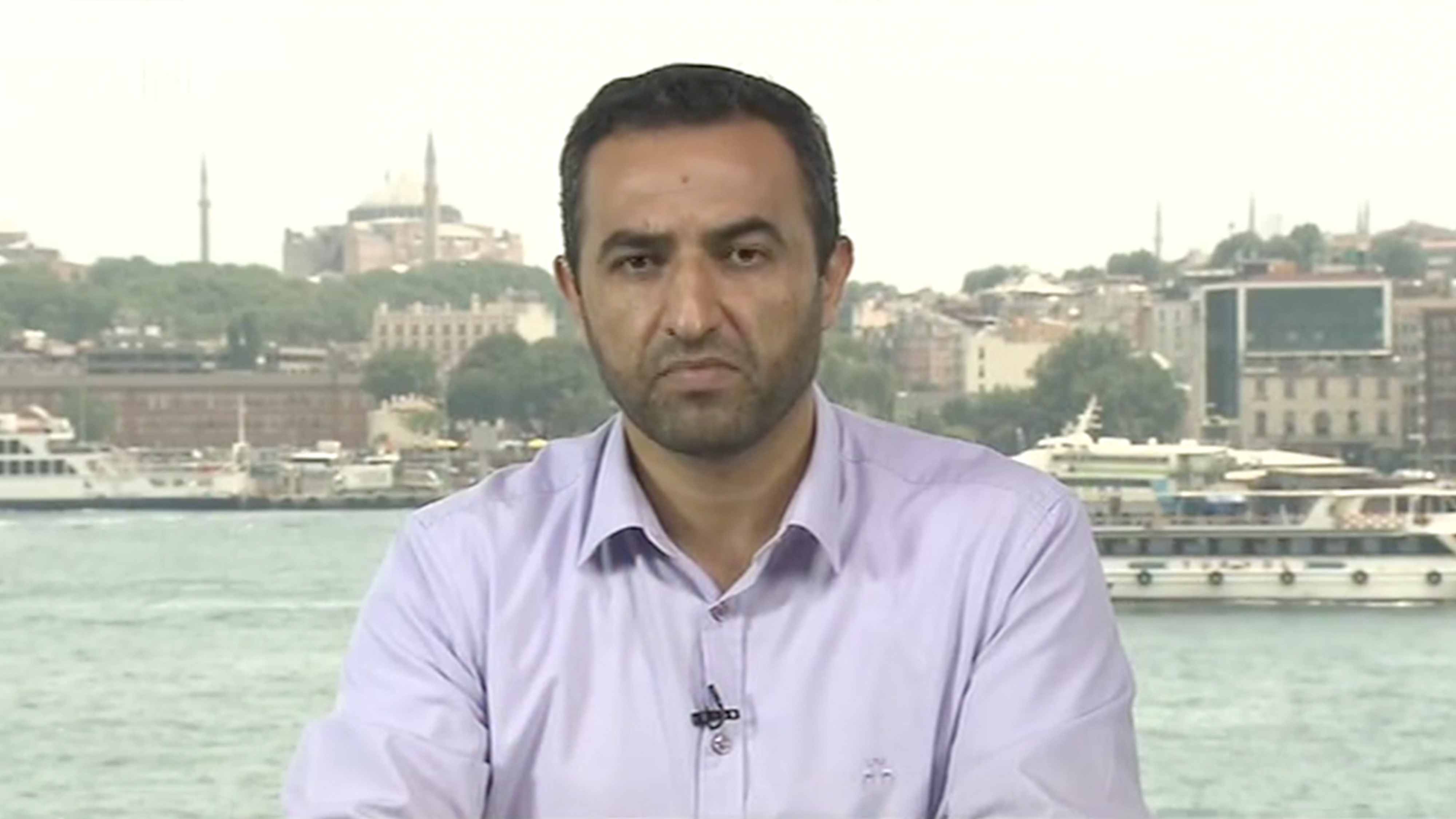
After being extended seven times after a coup attempt in 2016, Turkey’s two-year state-of-emergency is coming to an end.
The country’s business organizations have been calling an end to emergency rule and foreign investors in Turkey have also criticized the policy, saying it deterred direct investment to the country. So what impact will the end of the emergency rule have on the country's economy?
The economy is key to Turkish President Recep Tayyip Erdogan’s government as many people voted for Erdogan hoping the government would boost the economy and bring back stability, said political analyst Ahmet Alioglu.
The main challenge for the Turkish economy is US sanctions on Iran. “If the sanctions were imposed, Turkey will lose a lot,” says Alioglu. He holds the sanctions will negatively affect Turkey as it is Iran’s biggest partner in the region.
The European Union has also been a vocal critic of the emergency rule, claiming it's been used to restrict civil and political rights. Will lifting the state of emergency re-energize Turkey's relationship with the bloc?
Turkey and the European bloc have had a varied relationship, and with the EU not taking Turkey as a genuine partner in the region, the country doesn’t give much weight to its relationship with the EU as it used to, said Alioglu.
Alioglu also claims the EU has a double standard. He said the EU said nothing when France imposed its state of emergency, but the EU harshly criticized Turkey’s system for its emergency rule.