
Opinions
10:49, 16-Aug-2018
The Heat: New defense budget raises concerns on US hegemony
Updated
10:06, 19-Aug-2018
 ["china"]
Share







Copied
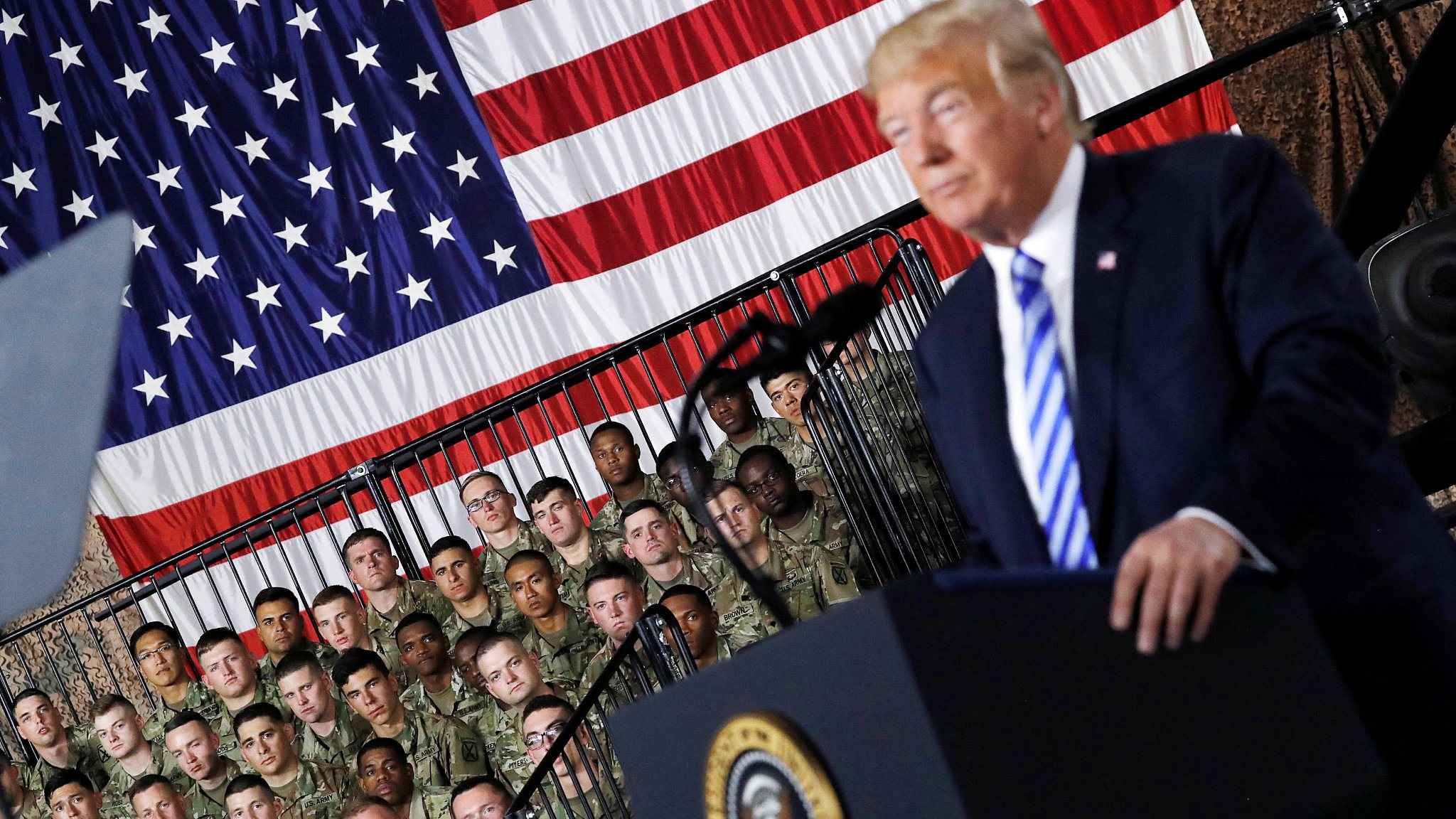
President Trump traveled to a US Army base on Monday to formally approve next year’s 716 billion US dollars defense budget. The budget went beyond traditional funding of the Pentagon and reached new equipment like submarines, warships, missile defense and the nuclear weapons program as well as new counters to a range of Chinese government policies.
Simon Marks, the president and chief correspondent for Feature Story News, was not surprised by the new legislation. He admitted that the increase in the military budget meets the need of both parties. As president Trump put it, the US is “rebuilding the military like never before” and the legislation is giving the Pentagon new kit including some things Pentagon never actually asked for.
“Republicans and many Democrats will view that question as though you were asking them if they wanted blue skies and apple pie,” Simon said. “Of course they do!”
But he also doubted that whether there is a common base of understanding the legislation between the President and the United States Secretary of Defense James Mattis. As US Armed Forces are downgrading the fight against terrorism and focusing more on the Asia Pacific, the divergence of views may appear.
Michael Johns, a former speechwriter for US President George H. W. Bush and a co-founder of the National Tea Party Movement, is a strong supporter of the new budget, seeing this as a fulfillment of a presidents’ duty of defending the interest of the US and its allies.
01:03
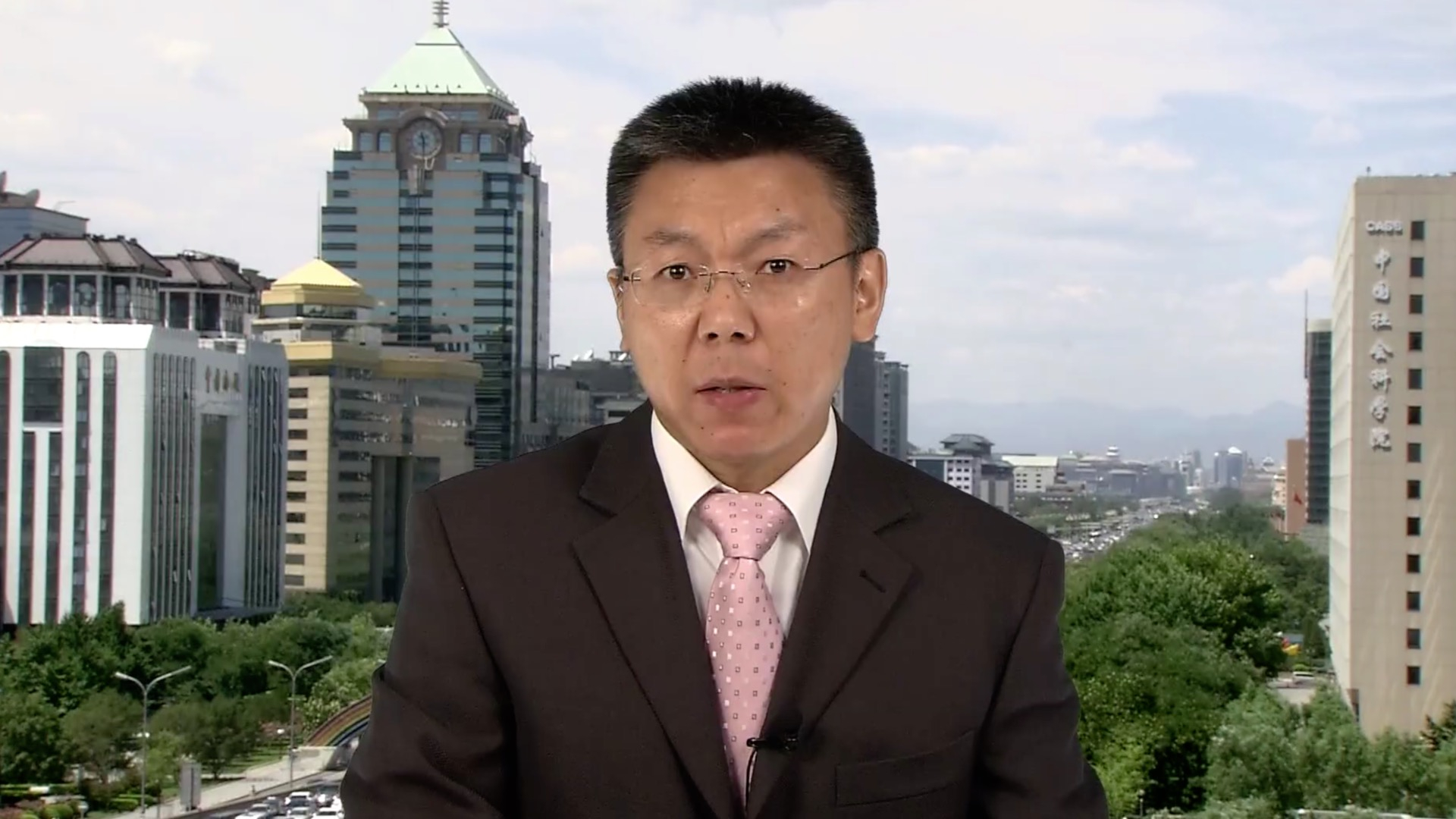
“You can't make America great again without making American defense great again,” he said in a recent panel. “What we learned from the cold war is that the US is supporting peace of strength, and that the best way to maintain that peace is to ensure our military is prepared to fight and win conflicts, anywhere at any time if necessary.”
For many years, skeptics of the growing military power of China and Russia were criticizing the procrastination of US reaction, and saw the military defense budget as an erosion of American readiness as well as an unwillingness to adjust to the growing geostrategic threat presented by Moscow and Beijing.
However, experts from both China and Russia had quite the opposite interpretations of the situation. The global political dynamic has moved from a place where the US is taking an absolute leading position to the one that many emerging powers have grown to be able to challenge the US in different fields. Qinduo Xu, a senior fellow with a Beijing policy center Pangoal Institution, explained the conflict between the US and the rest of the powerful countries by referring to the irreversible trend.
“The US has been the predominating the world for decades, and it wants to secure that position,” said Qinduo. “China is simply being used as a good excuse for the US to spend more money on the military.”
In addition, he stressed that China has never challenged the US in its border disputes such as the Gulf of Mexico or in the Caribbean Sea, but restrained to China’s own territorial.
Vladimir Golstein, a professor of Slavic Studies at Brown University, backed Qinduo’s opinion. He pointed out what the Pentagon attempts to do is to “maintain its hegemony and control these countries like China and Russia at their backyard”. However, it's not quite realistic because trying to project the US military power to a new height will only drive Russia and China closer.
In his speech at the Pentagon, President Trump “proudly reasserts America's legacy of leadership in space” because “foreign adversaries have already begun weaponizing space development to disrupt vital communications”. The announcement has drawn a lot of attention; some even see this as the prelude of the second-star war.
But Simon suggested that the conversation about the militarization of space “is not serious”, quoting that James Matti, the Secretary of Defense, last year publicly said he “wanted nothing to do with it”.
Even if he is, oppositions from other nations are crystal clear. Ideological hegemony is an outdated gaming strategy. According to Qinduo, “new weaponization of the space is not leadership”.
“I think the doctrines have to kind of accommodate that rather than try to push this genie back into the bottle,” said Vladimir.
The Heat with Anand Naidoo is a 30-minute political talk show on CGTN. It airs weekdays at 7:00 a.m. BJT and 7:00 p.m. Eastern in the United States.