
Business
14:26, 07-Jul-2018
China retaliates with equal measures, American businesses get hurt
Updated
13:44, 10-Jul-2018
 ["china"]
Share







Copied
01:53
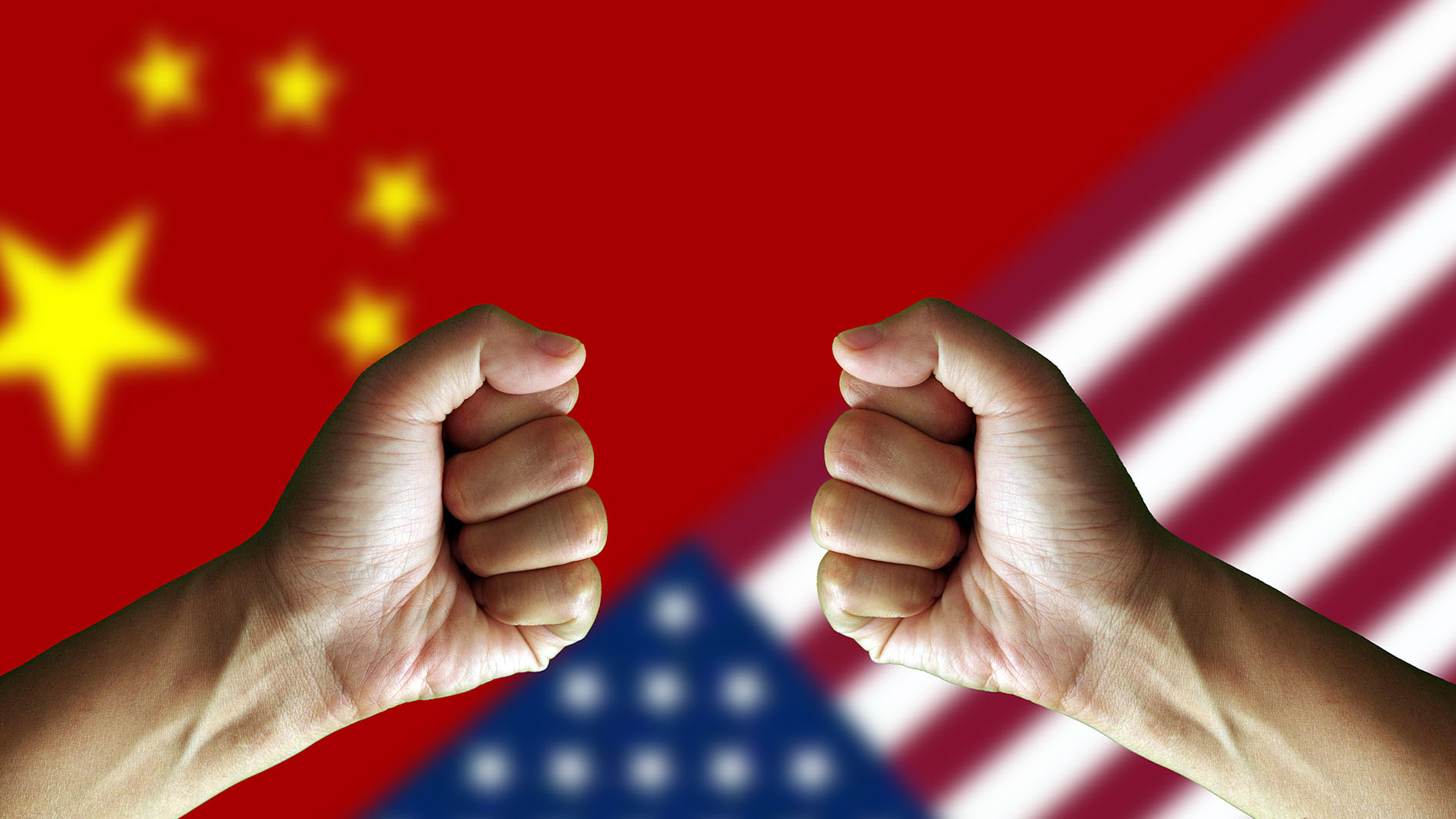
China's measures against the "the largest trade war in economic history" took effect at 4:01 GMT on Friday immediately after the US tariffs of 25 percent duties on 34 billion US dollars of Chinese products came into force.
With additional tariffs of 25 percent on Chinese products worth 34 billion US dollars taking effect on Friday, the United States has ignited the largest trade war in economic history, the Chinese Ministry of Commerce said in a statement.
The US tariff list targeting China mainly includes chemicals, heavy construction vehicles, and components for manufacturing equipment.
Many US goods on China's tariff list are agricultural, including pork, beef, soybeans and apples. Whiskey, tobacco, and off-road vehicles are also included.
"Our view is, that trade war is never a solution. China would never start a trade war, but if any party resorts to an increase of tariffs, then China will take measures in response, to protect China's development interests, uphold the authority and efficacy of the WTO, and to save the multinational trade regime," said Chinese Premier Li Keqiang.
The US Chamber of Commerce assembled a map to show how US tariffs will hurt American businesses.
In the state of Washington, 5.2 billion US dollars in products like soybeans, wheat and passenger vehicles will be affected. In Louisiana, 5.7 billion US dollars, most of it soybeans, but also corn, and grain sorghum will be hit. And in California, four billion US dollars in goods like electric vehicles and passenger cars will be hit as well.
“I think there’s a sense of concern,” David Salmonsen, senior director of American Farm Bureau Federation said. “Intellectual property forced Technology transfer that all this 34 billion US dollars is about — those aren’t agricultural issues. We are retaliated against to make a political impact. These are the big issues that agriculture has with China."
US President Donald Trump has promised to retaliate against China's tariffs by slapping duties on an additional 400 billion US dollars worth of Chinese goods.
Many economists predict that the result will be a loss of competitiveness abroad and a lot of pain at home.
"We will also have job losses inside the United States because these are inputs in US production. And, they will raise the cost of producing in the United States and some of those costs will have to be passed on to consumers," said Mary Lovely from Peterson Institute of International Economics.