
Politics
16:22, 09-May-2018
What to watch: Haspel faces uncertain CIA nomination grilling
 ["north america"]
Share







Copied
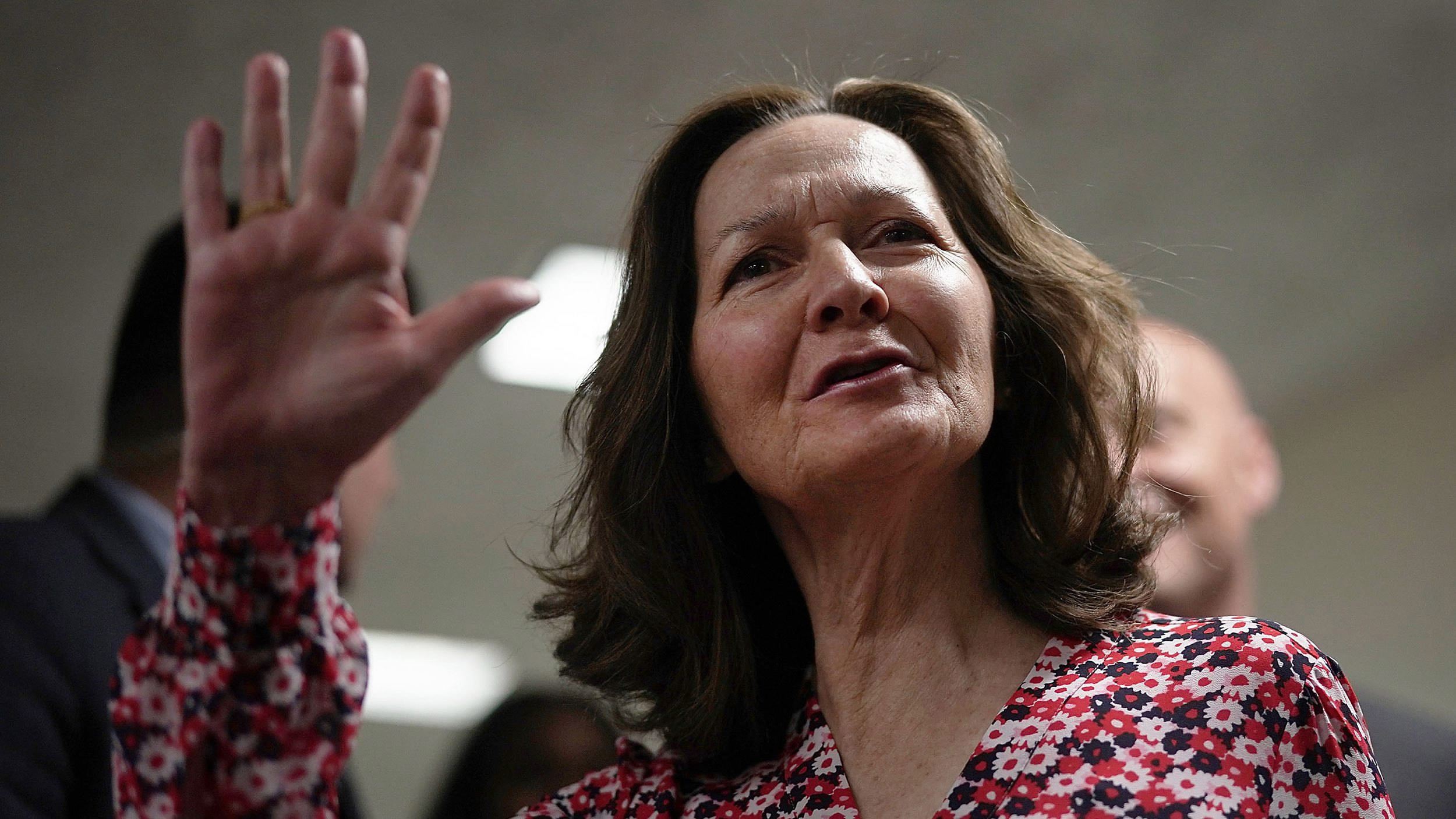
Acting CIA Director Gina Haspel faces a Senate Intelligence Committee hearing on Wednesday, with her nomination to be the first female boss of the agency far from sure of being confirmed.
The 33-year intelligence community veteran, nominated as a replacement for Mike Pompeo when he was picked as the new US secretary of state in April, is a controversial choice because of her links to the use of contentious interrogation techniques.
Read more: CIA nominee faces tough interrogation
Read more: Trump nominates Haspel
Coupled with question marks over parts of the 61-year-old's background is the tight margins in the Senate – the Republicans hold a 51-49 advantage over the Democrats, but with Republican Senator John McCain recovering from cancer that advantage is down to 50-49.
What might happen at the hearing?
1. Haspel's backstory
Haspel has been an intelligence operative since 1985, but much of what she did during those 33 years remains secret. She only recently took on a public profile as deputy director.
The CIA has released some information about her past, including declassifying memos that support her nomination without revealing details of the more controversial parts of her career.
After a complaint by Democratic Senator Mark Warner, the CIA turned over personnel records – but they are classified, so it remains unclear how much of her backstory can be asked about.
2. CIA secrets
There is a strong possibility the hearing will drag up details the CIA would rather forget. Haspel reportedly offered to pull out of the nomination race last week because she feared the hearing would reveal information damaging the reputations of both her and the agency.
Public questioning of Haspel on issues such as the effectiveness of interrogations, drone strikes and agency "renditions" of suspected militants to third countries may be limited because the operations remain classified, Reuters reported.
3. Black sites and videotapes
Haspel ran a so-called "black site" in Thailand where al-Qaeda suspects were subjected to interrogation techniques that many describe as torture. Many Democrats and anti-torture campaigners argue this should disqualify her from confirmation as CIA director.
The controversial detention and interrogation program began after the al-Qaeda attacks in the US on September 11 2001. The CIA moved detainees to secret "black sites" around the world where a number were beaten and waterboarded.
Haspel also drafted a cable in 2005, reportedly at the request of her then boss, that ordered the destruction of 92 videotapes documenting the use of extreme interrogation techniques on al Qaeda suspects. There were fears that the tapes would be leaked.
4. Enhanced interrogation
In excerpts of her testimony released on Tuesday, Haspel insisted she would not reinstitute enhanced interrogation techniques. Her commitment to this – and why she has changed her view – will be scrutinized, especially as President Trump advocated using waterboarding and other extreme measures as a candidate.
Democrats are concerned that the White House is open to reintroducing the controversial measures.
5. Republican splits
Trump has pressed Republicans to support Haspel, but with thin margins and Democrats likely to oppose it will be tough to push her nomination through. She has the support of many Obama-era officials, but is opposed by some former military commanders and human rights campaigners.
John McCain and fellow Republican senator Rand Paul have expressed skepticism. McCain, a victim of torture when a prisoner of war in Vietnam, has urged the Senate to "do its job in scrutinizing the record & involvement of Gina Haspel in this disgraceful program," in reference to enhanced interrogation carried out after September 11.