
World
11:51, 06-Jun-2018
Iraq’s PM warns of ‘dangerous violation’ in May election
 ["china"]
Share






Copied
Iraq’s prime minister said on Tuesday there were “dangerous violations” in the May 12 parliamentary election and he announced that members of the election commission have been banned from traveling, a move that could hinder the delicate process of forming a new government.
The election was won by a bloc led by cleric Moqtada al-Sadr, a long-time adversary of the United States who also opposes Iran’s sway in Iraq.
Haider al-Abadi told a news conference that a report presented to the government recommended a partial manual recount of the vote and the cancellation of results from overseas and displaced voters.
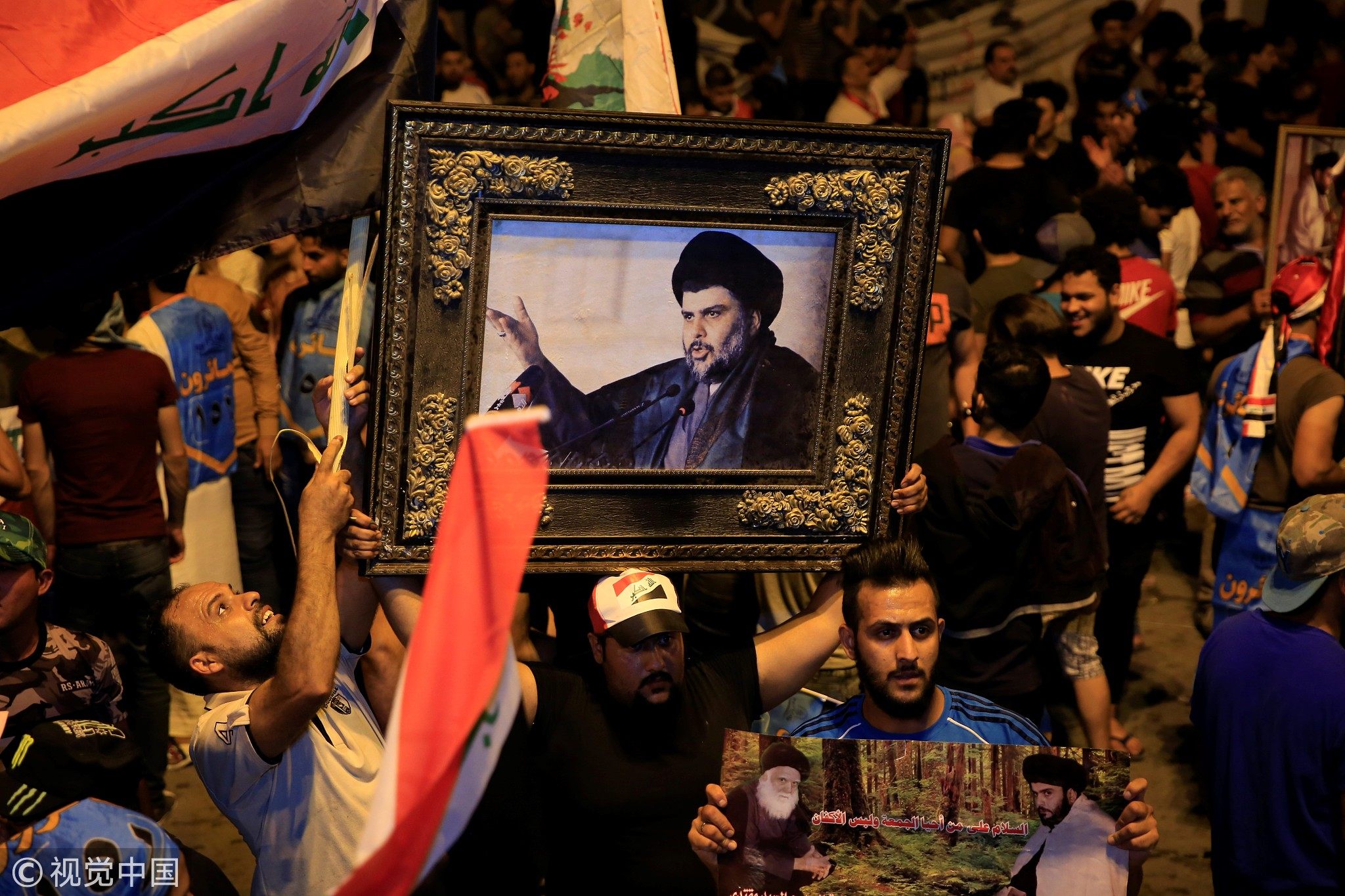
Supporters of Iraqi Shiite cleric Moqtada al-Sadr celebrate the results of the parliamentary election at the Tahrir Square, Baghdad, Iraq May 13, 2018. /VCG Photo
Supporters of Iraqi Shiite cleric Moqtada al-Sadr celebrate the results of the parliamentary election at the Tahrir Square, Baghdad, Iraq May 13, 2018. /VCG Photo
And he said most of the blame for violations lay with Iraq’s Independent High Elections Commission (IHEC).
Abadi said he had initially been in favor of moving forward with the political process after the election because Iraq had a history of electoral irregularities that were usually worked out.
“In the beginning I said ‘Let’s keep going and let the commission deal with the violations’. There are violations each election, here and there.”
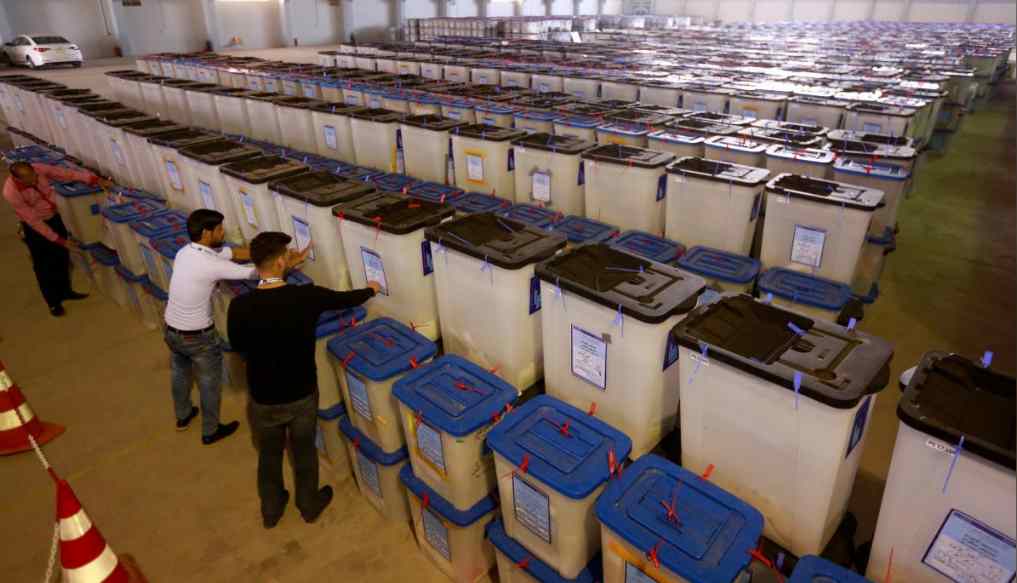
Employees of the Iraqi Independent High Electoral Commission inspect ballot boxes at a warehouse in Najaf, Iraq May 15, 2018. /Reuters Photo
Employees of the Iraqi Independent High Electoral Commission inspect ballot boxes at a warehouse in Najaf, Iraq May 15, 2018. /Reuters Photo
But he said he was alarmed after studying the report’s findings.
“The committee has revealed dangerous things, honestly. Yes there may have been some violations by candidates but the election commission bears the largest share of the responsibility,” he said.
High ranking members of IHEC would now be banned from traveling abroad without his permission, Abadi said. Criminal charges might be brought against some people although he did not name them or say if they belonged to the commission.
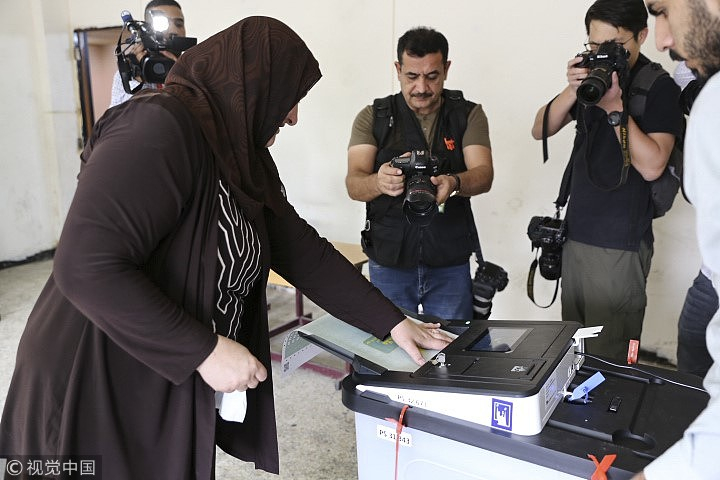
An Iraqi woman casting her vote for the Iraqi parliamentary election at the Al Messere Primary School in Baghdad, Iraq May 12, 2018. /VCG Photo
An Iraqi woman casting her vote for the Iraqi parliamentary election at the Al Messere Primary School in Baghdad, Iraq May 12, 2018. /VCG Photo
Abadi said the main issue was with the electronic vote counting devices used by IHEC this year, which he said had been used without prior inspection for errors.
An IHEC spokesman declined to comment.
Abadi’s stance raises the prospect of further uncertainty in Iraq at a time when political blocs were starting the complicated process of forming a new government, watched closely by Baghdad’s Western allies.
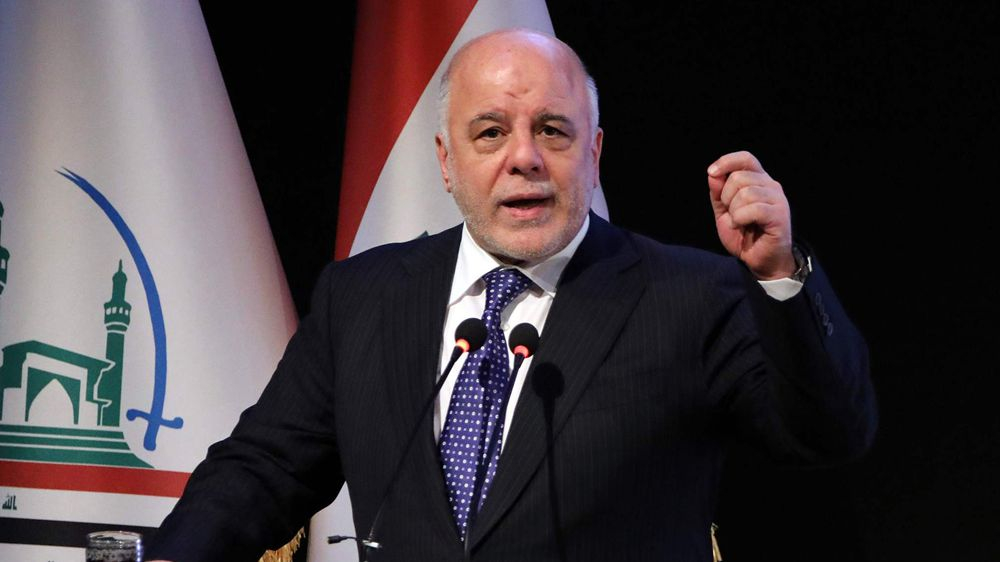
(Cover: Iraqi Prime Minister Haider al-Abadi delivers a speech during a ceremony in the Shiite holy city of Najaf, January 7, 2018. /VCG Photo)
Source(s): Reuters