
Culture China
16:51, 06-Apr-2019
Museums under recognition and scrutiny in the Internet era
 ["china"]
Share







Copied
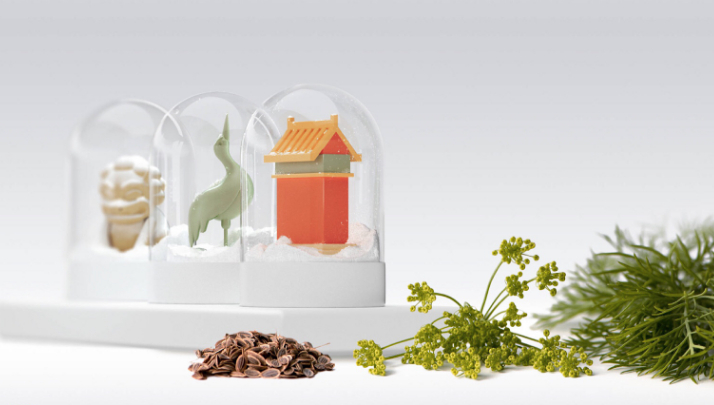
The Internet has brought life to numerous industries and sectors – antiquated Chinese museums are no exception.
The Palace Museum in Beijing has amazed people once again with its upcoming condiment dispensers.
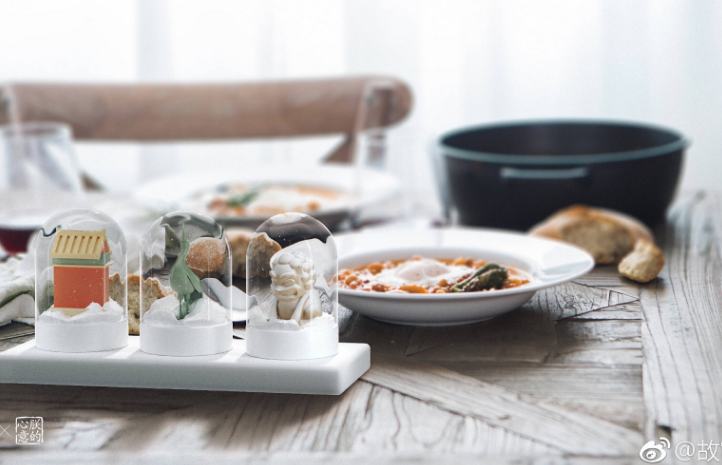
The palace-style condiment dispensers to be released by the Palace Museum. /Photo via the official Weibo account of the Palace Museum Food
The palace-style condiment dispensers to be released by the Palace Museum. /Photo via the official Weibo account of the Palace Museum Food
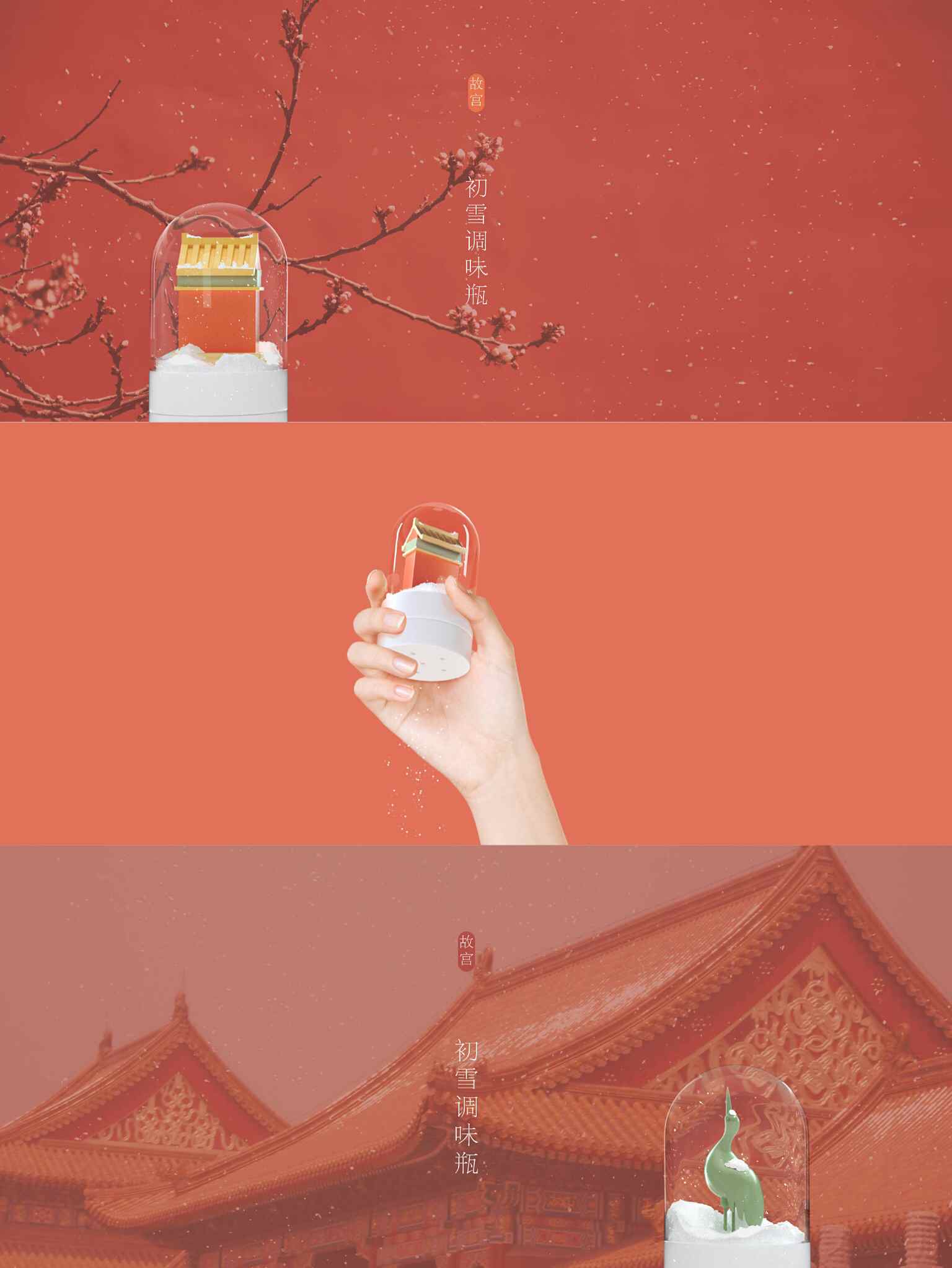
A set of the three-piece dispensers contain the palace wall, stone lion and bronze crane. When you put salt or sugar in, you can see “snow” falling down on them. The spice tins will be sold online on the day when the Palace Museum sees the first snow this year.
The idea caters to the public's desire to enjoy snow in the Forbidden City – a hot tourist attraction in Beijing in recent years.
The palace-style condiment dispensers to be released by the Palace Museum. /Photo via the official Weibo account of the Palace Museum Food
The palace-style condiment dispensers to be released by the Palace Museum. /Photo via the official Weibo account of the Palace Museum Food
A booming industry
Many museums in China, including the Imperial Palace and the National Museum of China, have opened online stores. Museum-stamped products, ranging from shoes to cellphone cases to wine glass, have brought both revenue and recognition to the museums.
Among them, the Imperial Palace is unsurprisingly the biggest winner with an annual sales volume of over one billion yuan (over 148 million U.S. dollars).
Customers of these cultural products are mainly young people in first-tier and second-tier cities, according to data from Taobao.com and Tmall.com – two of the most popular online shopping websites in China. The data also show that 75.9 percent of them are female customers and those aged between 19 and 25 account for over 30 percent.
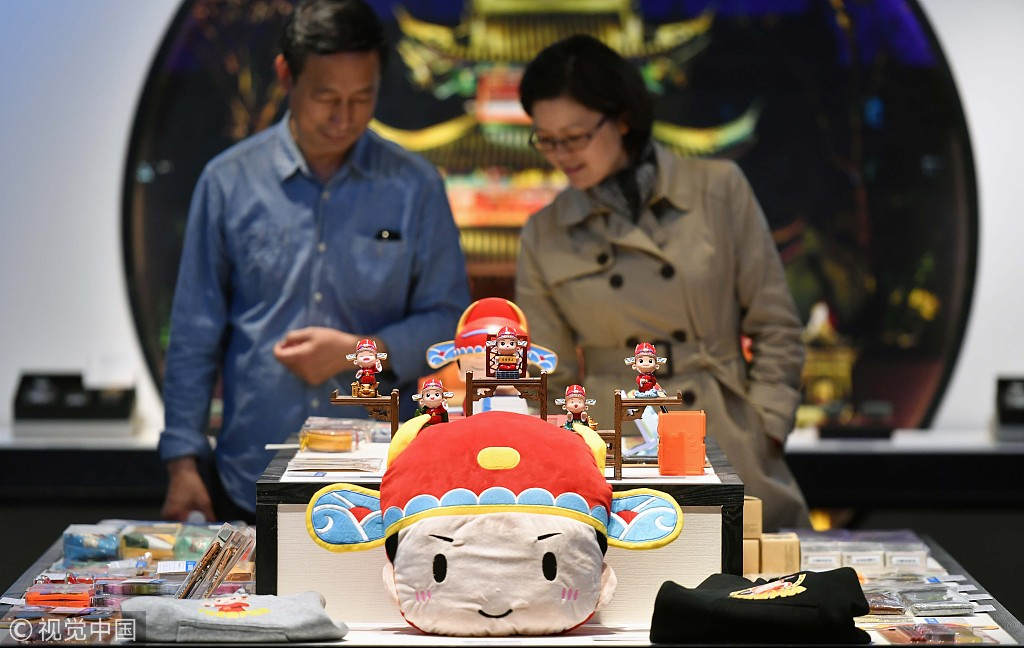
Cultural products on display at an exhibition in Nanjing, Jiangsu Province, on May 10, 2017. /VCG Photo
Cultural products on display at an exhibition in Nanjing, Jiangsu Province, on May 10, 2017. /VCG Photo
Concerns and controversy
Behind the commercial success, however, there have been complaints over the museum-themed products for their duplication, poor quality and even challenging traditional Chinese culture.
Back in early January, the Palace Museum halted the sale of its lipsticks given customer criticism of their poor quality. That was less than one month after the lipsticks had been released.
The Terracotta Army is another cultural artifact that critics say are over-exploited.
A hotel in Xi'an, from which the Terracotta warriors originate, had sold Terracotta Christmas chocolates. Another hotel in the city had decorated guest rooms with these statues.
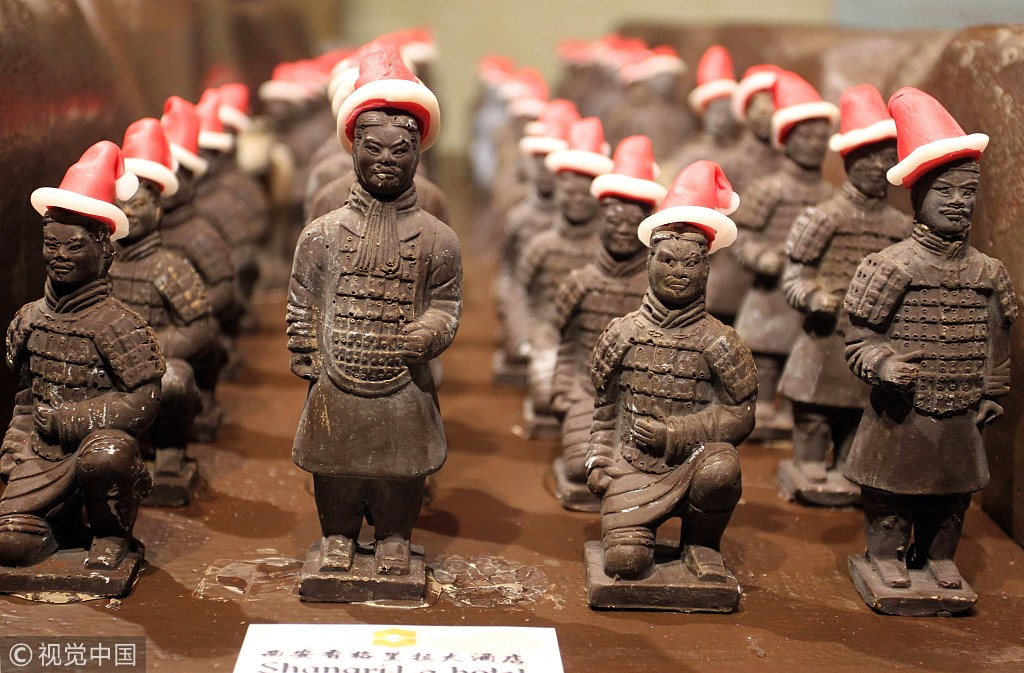
Christmas Terracotta warrior chocolates displayed in Xi'an Shangri-la Hotel on November 21, 2014. /VCG Photo
Christmas Terracotta warrior chocolates displayed in Xi'an Shangri-la Hotel on November 21, 2014. /VCG Photo
“I don't think it's a good idea to decorate a hotel with Terracotta warriors since it's against Chinese people's traditional beliefs,” Hou Ningbing, curator of the Emperor Qingshihuang's Mausoleum Site Museum, said during an interview with China News Service.
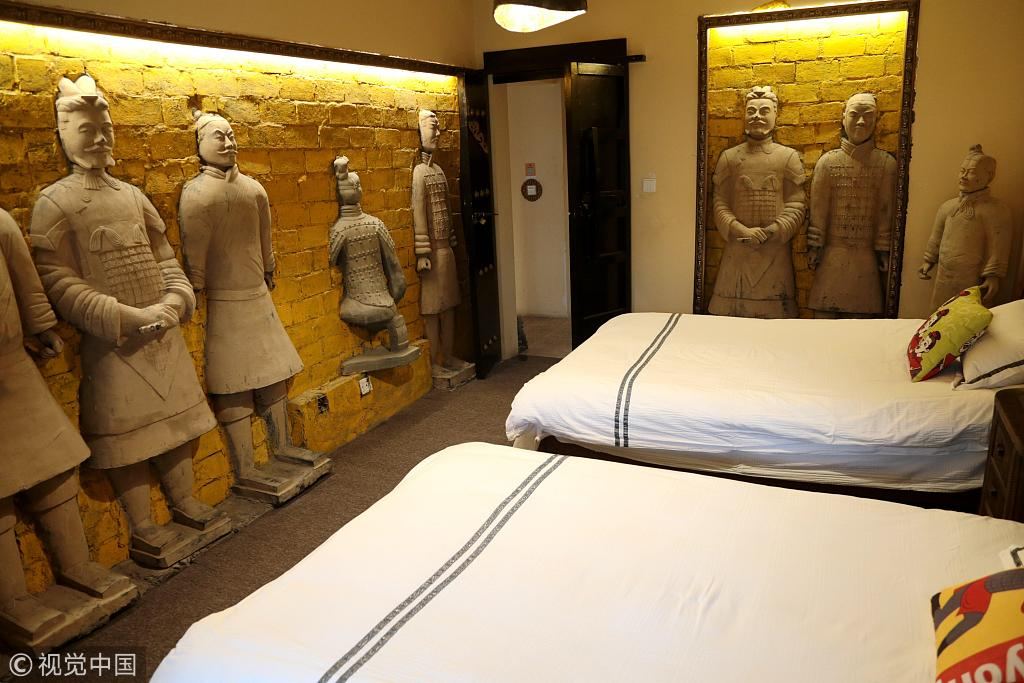
The Terracotta-Army decoration in a hotel in Xi'an on November 27, 2018. /VCG Photo
The Terracotta-Army decoration in a hotel in Xi'an on November 27, 2018. /VCG Photo
“The serious mausoleum culture shouldn't be interpreted in this way. We should make our cultural products connected with people's daily life in the right way,” Hou added.