
Business
22:46, 10-Aug-2018
China reduces risks of peer-to-peer lending
Updated
22:26, 13-Aug-2018
 ["china"]
Share







Copied
03:48
Chinese authorities are taking immediate actions to reduce risks in the peer-to-peer (P2P) lending business and better protect the interests of private investors.
The latest moves by Chinese financial regulators include urging leading internet platforms to undergo self-inspection and fix problems. They will also guide unqualified P2P lending platforms in exiting the market and dealing with their assets and debts in a market-oriented way based on legal principles.
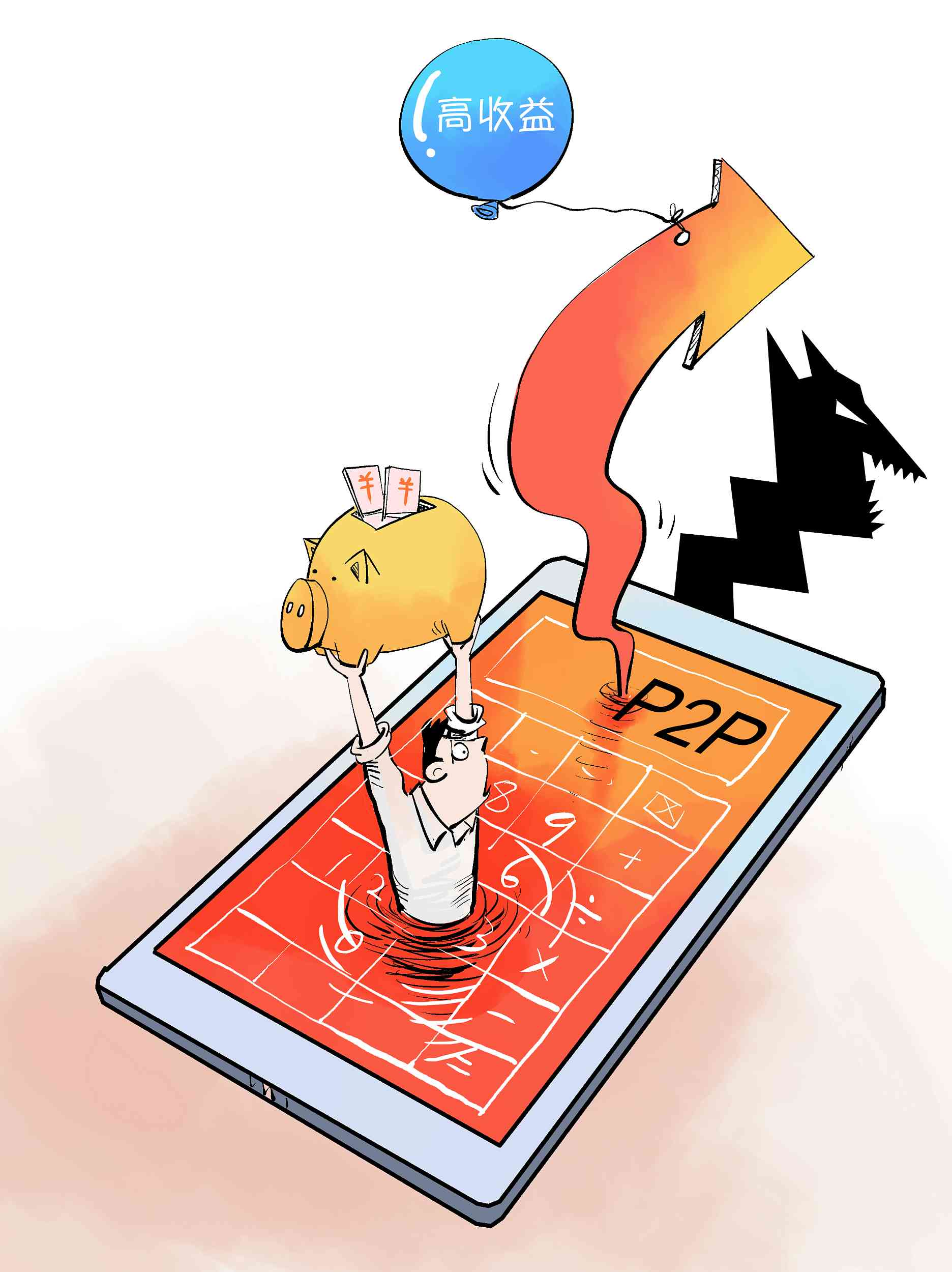
Thousands of individual investors put their money in peer-to-peer lending firms in China. /CGTN photo
Thousands of individual investors put their money in peer-to-peer lending firms in China. /CGTN photo
Wang Pu, a 30-year-old investor, has invested almost all his money in hundreds of P2P lending firms since 2014 in order to pursue high interest returns.
Wang Pu said that the interest rates of these P2P platforms are indeed quite high, however, a higher return also means higher risk.
Over the past two years, Wang met thousands of individual investors like him through online chat groups, some of whom lost millions of RMB. They often shared information and discussed how to solve their problems.

Private investor, Wang Pu. /CGTN photo
Private investor, Wang Pu. /CGTN photo
Today, more and more Chinese families are trying to manage their growing wealth. But with limited financial knowledge, many say it is still difficult for them to distinguish between legitimate and illegal online financial platforms, as well as protect their interests if their financial firm encounters problems.
Established in 2013, Win-Win Financing is one of the thousands of Chinese online financial platforms and it has more than 10 million users.
CEO Wang Jialiang emphasized the importance of doing more homework before investing.
“You have to check out whether or not the fund of this platform is in real bank deposits to guarantee its safety. Secondly make sure the information disclosure is timely and transparent. Thirdly, take a closer look at the company's shareholder background, and see whether the shareholder is strong enough.”

Investors are doing P2P business via their mobile phones. /CGTN Photo
Investors are doing P2P business via their mobile phones. /CGTN Photo
Statistics show that the number of P2P firms decreased to around 2,000 by the end
of July, down from over 5,000 in 2014.
A two-year rectification campaign helped curb illegal lending.
Ben Shenglin, the Chairman of the Zhejiang Association of Internet Finance said that although a cleaning-up of the industry will be painful, it is good for the healthy development of the financial industry in the mid- and long-term.
Ben said that educating consumers and investors is not enough, “In the meantime, our laws and regulations have to be updated so that we may punish and penalize those who are fraudulent, who are trying to mislead consumers, and who make false representations.”