
Asia Pacific
13:25, 01-Jun-2019
Philippines ships tonnes of trash back to Canada
 ["china"]
Share







Copied
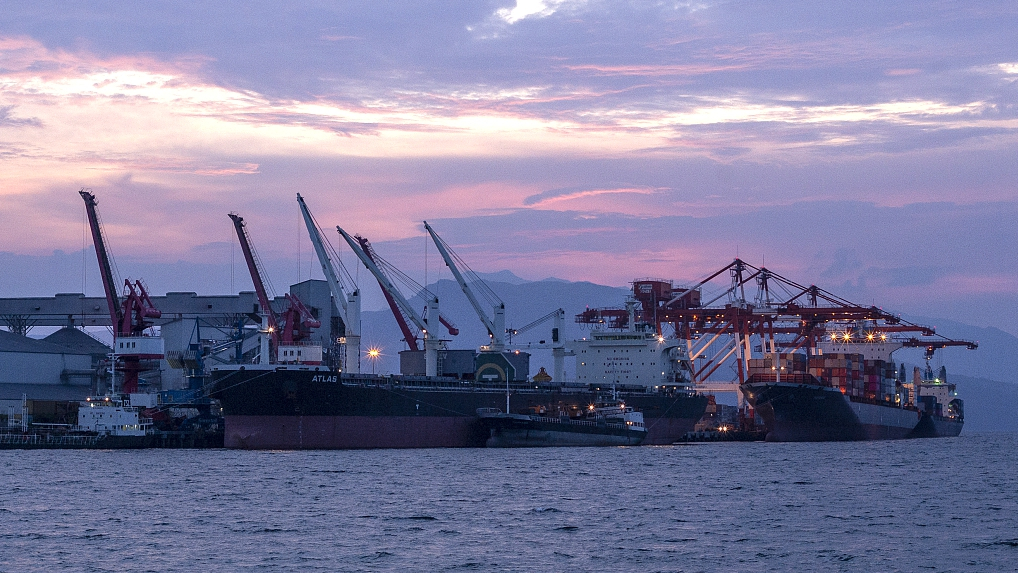
Tonnes of garbage sent to the Philippines years ago was shipped back to Canada on Friday.
The 69 shipping containers of garbage were loaded onto a cargo vessel at Subic Bay, a former U.S. naval base and shipping port northwest of Manila, and began the lengthy trip to Canada.
"Baaaaaaaaa bye, as we say it," Philippine Foreign Secretary Teodoro Locsin wrote on Twitter, along with images of the vessel leaving.
A Philippine court in 2016 declared the import of 2,400 tonnes of Canadian waste illegal. It had been mislabeled as plastics for recycling.
Canada said the waste, exported to the Philippines between 2013 and 2014, was a private commercial transaction done without the government's consent.
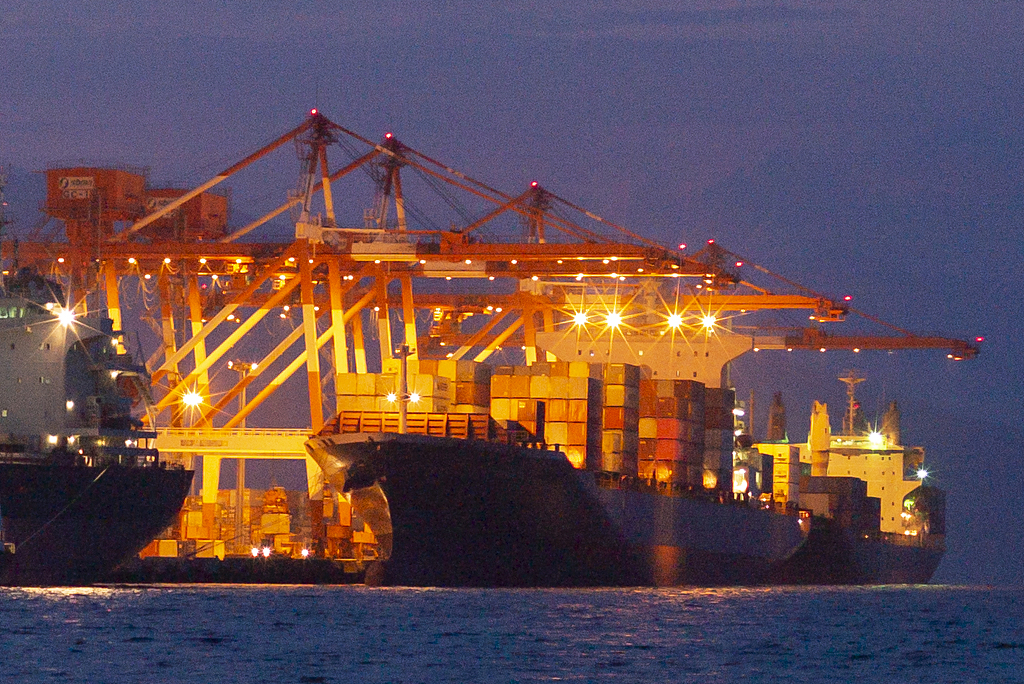
Over 60 containers of waste were loaded onto a ship at Subic Bay, the Philippines, May 30, 2019. /VCG Photo
Over 60 containers of waste were loaded onto a ship at Subic Bay, the Philippines, May 30, 2019. /VCG Photo
"The government of Canada is taking all the necessary measures to ensure safe and environmentally sound transport, handling and disposal of the waste in Canada," Mark Johnson, spokesperson for Canada's environment and climate change ministry, said in a statement.
The issue has polluted Manila-Ottawa ties for years, but it blew up when Duterte said in an April speech: "Let's fight Canada. I will declare war against them."
Since then, the Philippines recalled its envoys to Ottawa after Canada missed a Manila-imposed May 15 deadline.
However, with the departure of the trash, the Philippine side released immediate signs to restore and stabilize Manila-Ottawa relations.
"To our recalled posts, get your flights back. Thanks and sorry for the trouble you went through to drive home a point," Locsin tweeted on Friday.
Global concerns over plastic pollution

A coastal area polluted by garbage in Ujong Blang village, Indonesia, March 5, 2019. /VCG Photo
A coastal area polluted by garbage in Ujong Blang village, Indonesia, March 5, 2019. /VCG Photo
Except the Philippines, Malaysia announced just days earlier it was shipping 450 tonnes of imported plastic waste back to its sources.
For years China had received the bulk of scrap plastic from around the world, but closed its doors to foreign refuse last year in an effort to clean up its environment.
Huge quantities of waste plastic have since been redirected to Southeast Asia, including Malaysia, Indonesia and to a lesser degree the Philippines.
Environmental activists gathered in Subic Friday as the containers were being prepared, holding banners that said "never again" and "we are not the world's dump site."
Some carried cardboard boxes made to look like shipping containers bearing signs that read "good riddance" and "Canada take back your trash."
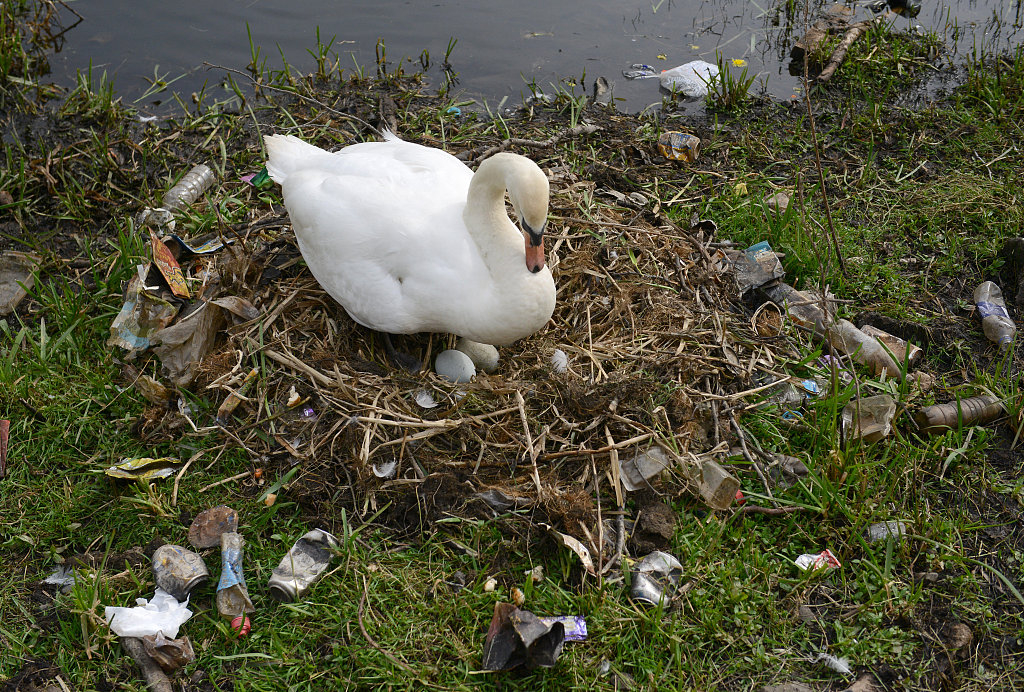
A swan using rubbish as its nest at Drumpellier Park, Coatbridge, Scotland, April 23, 2019. /VCG Photo
A swan using rubbish as its nest at Drumpellier Park, Coatbridge, Scotland, April 23, 2019. /VCG Photo
"The waste trade is a very unacceptable practice. It is a deplorable practice," Greenpeace Philippines director Lea Guerrero told reporters.
Global concern over plastic pollution has been spurred by shocking images of waste-clogged rivers in Southeast Asia and accounts of dead sea creatures found with kilos of refuse in their stomachs.
Around 300 million tonnes of plastic are produced every year, according to the Worldwide Fund for Nature (WWF), with much of it ending up in landfills or polluting the seas, in what has become a growing international crisis.
(With inputs from Reuters and AFP)