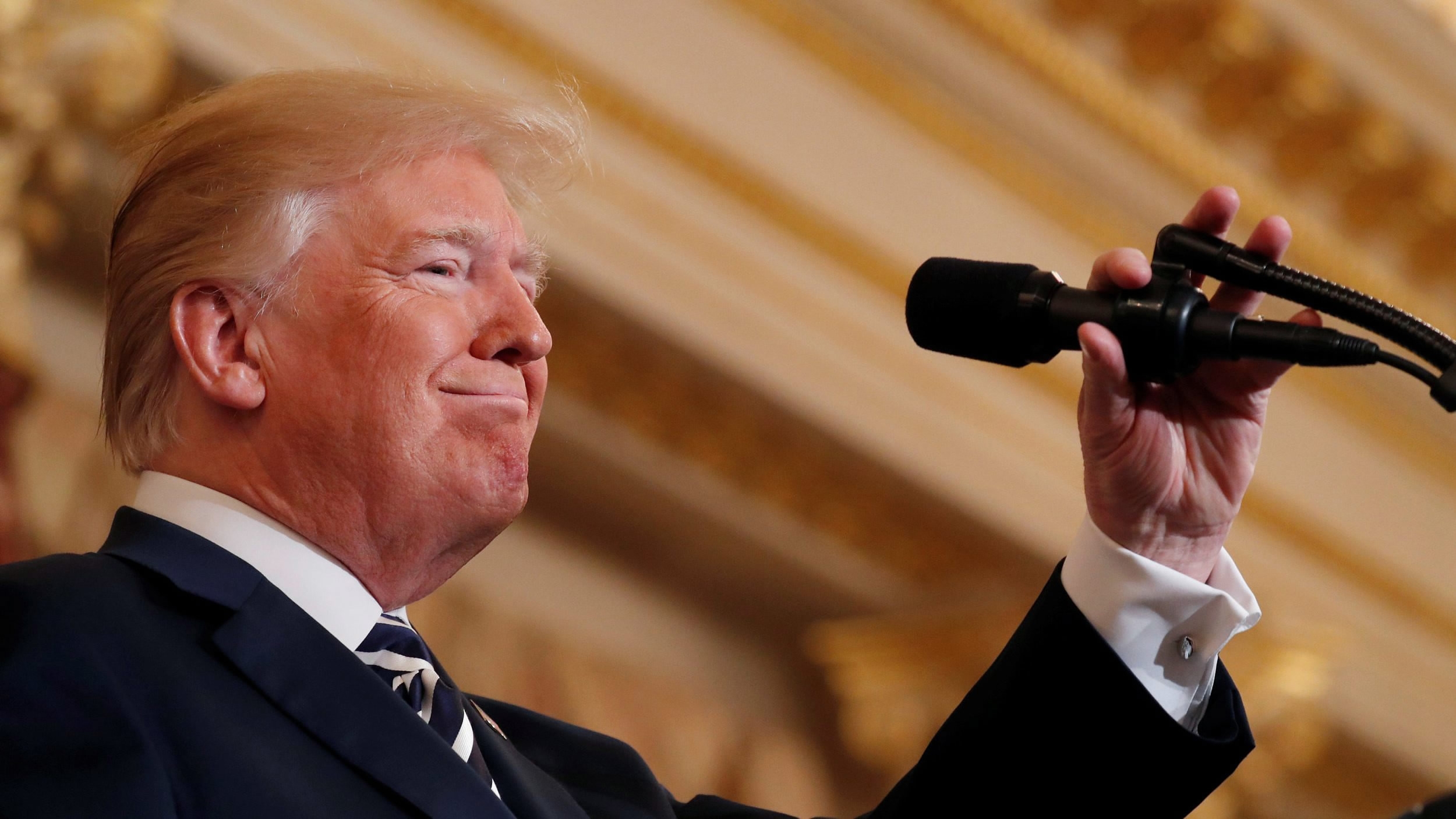
US President Donald Trump appointed Emmet Flood, a veteran of Bill Clinton's impeachment fight, to his legal team on Wednesday as the debate over whether he should agree to an interview with Special Counsel Robert Mueller intensified.
Flood replaces Ty Cobb, the lead lawyer in the president's team responding to the Mueller inquiry into alleged collusion between the Trump campaign and Russia in the 2016 election.
"Emmet Flood will be joining the White House Staff to represent the president and the administration against the Russia witch hunt," Press Secretary Sarah Sanders said on Wednesday.
Who is Robert Mueller? Mueller is a lawyer and former Marine who headed the FBI under presidents George W. Bush and Barack Obama.
What is he investigating? Mueller is leading a probe into alleged Russian interference in the 2016 US presidential election, whether Trump campaign figures were involved, and any other matters that arise from the investigation. He was appointed in May 2017.
What are his powers? Mueller can subpoena records, bring criminal charges and prosecute anyone who interferes in the investigation. Only Deputy Attorney General Rod Rosenstein, who appointed Mueller, has the power to fire him.
Flood represented Clinton when he was impeached by the House of Representatives in 1998. The then president was ultimately cleared by the Senate of perjury and obstruction of justice. Flood refused to join the Trump legal team in July 2017 and the post then went to Cobb, Reuters reported.
Cobb's announced departure is the latest in a series from the president's legal team amid an internal debate over whether or not Trump should agree to be interviewed by Mueller. Cobb took the lead of the White House team after the previous lead lawyer, John Dowd, quit in March, convinced that Trump was not following his advice.
Dowd vehemently opposed Trump submitting to an interview, but the US president at the time was reportedly inclined to talk to the special prosecutor, believing it would lead to a quicker end to the probe.
CNN reported on Wednesday that Trump was increasingly minded not to speak to Mueller. It also emerged on Wednesday that Mueller had threatened to issue a subpoena to force Trump to speak in front of a grand jury if he refused to do so voluntarily. A refusal to obey a subpoena could result in a battle going all the way to the Supreme Court.
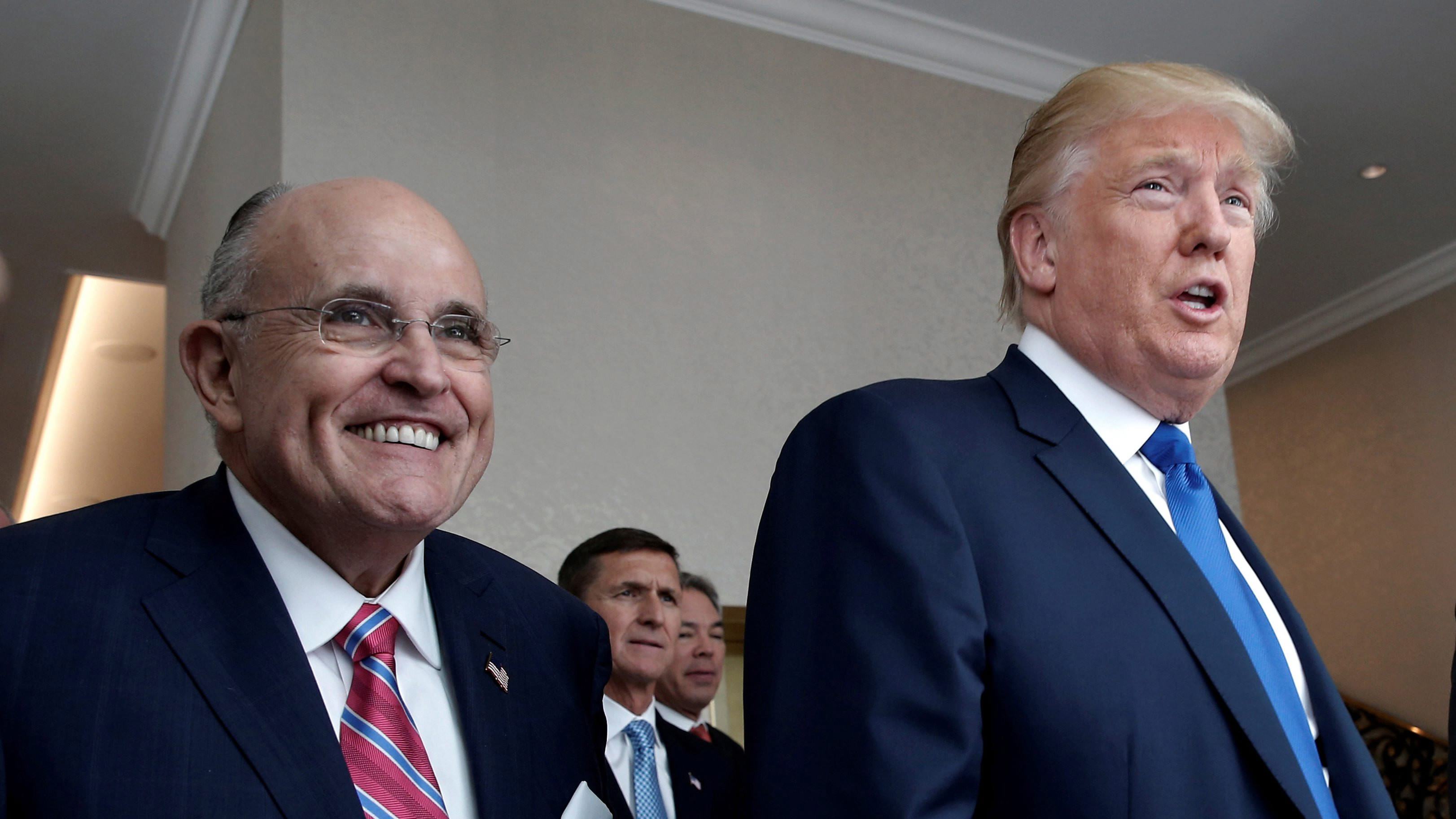
September 16, 2016: Republican presidential nominee Donald Trump walks with former New York City
Mayor Rudolph Giuliani (L) in
Washington, DC, US. /VCG Photo
September 16, 2016: Republican presidential nominee Donald Trump walks with former New York City
Mayor Rudolph Giuliani (L) in
Washington, DC, US. /VCG Photo
Former New York mayor Rudolph Giuliani joined the president's legal team last month, amid reports he intends to negotiate with Mueller on an interview with Trump.
Giuliani told the Washington Post on Wednesday any interview of the president by Mueller would be maximum “two to three hours around a narrow set of questions." The president could cite executive privilege in any interview, though that would only cover his time in office.
Questions submitted by Mueller's team and leaked to the New York Times on Monday show the special counsel is probing possible obstruction of justice by the president in the firing of former FBI director James Comey. Mueller also wants to ask Trump what he knew about attempts by campaign aides to seek Russian assistance during the 2016 US election campaign.
Russia has denied interfering in the election and Trump has denied there was any collusion between his campaign and Moscow.
(With input from agencies)

 ["north america"]