
Sports
17:34, 05-Aug-2018
Australian climber rescued after being trapped on Mount Aspiring for a week
Updated
16:47, 08-Aug-2018
 ["other","New Zealand"]
Share







Copied
00:46
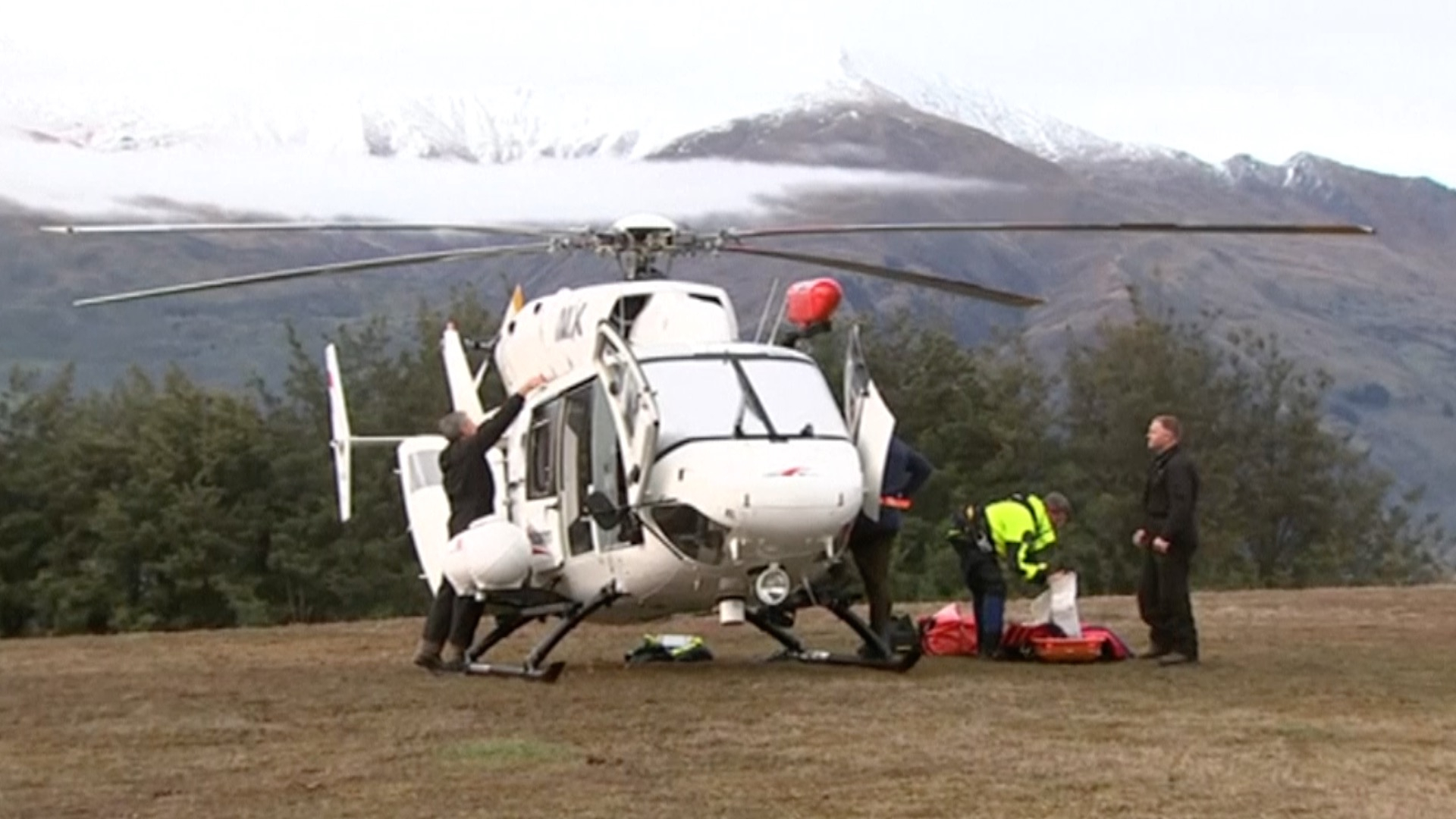
An Australian climber trapped on Mount Aspiring in New Zealand for a week because of bad weather has been rescued.
Terry Harch is in “reasonable” condition, but is suffering frostbite.
The 29-year-old Australian soldier was found by a rescue team on Thursday and was extracted on Friday in a "snatch and grab" mission in which three helicopters participated.
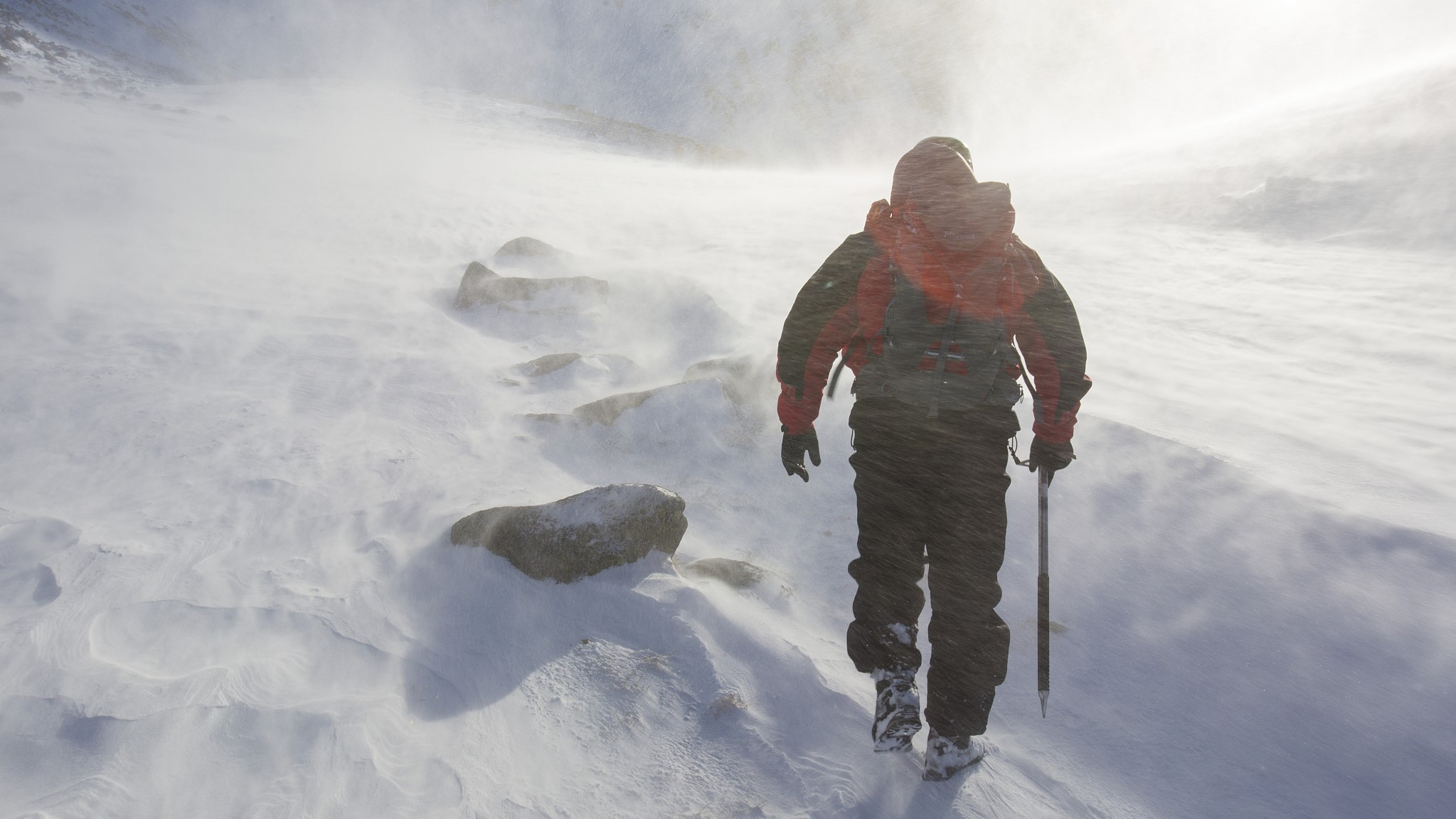
Climbers need to battle a few adverse factors while trekking including snow blizzards. /VCG Photo
Climbers need to battle a few adverse factors while trekking including snow blizzards. /VCG Photo
“It's a great result as we did not want the climber spending another night on the mountain,” said Neville Blakemore of the Rescue Coordination Centre New Zealand. He said that adverse weather conditions hindered the search and rescue until late Thursday.
"The climber has been sheltering for the past two nights at (Quarterdeck Pass) and he has clearly made some good decisions to be able to survive the bad weather, heavy snow and high winds. The rescue team left with the climber had provided warm clothing, tents, food and were well-equipped with emergency gear to keep the party dry and warm for what, is hoped to be, their last night on the mountain,” said Rescue Coordination Centre New Zealand senior search and rescue officer Geoff Lunt.
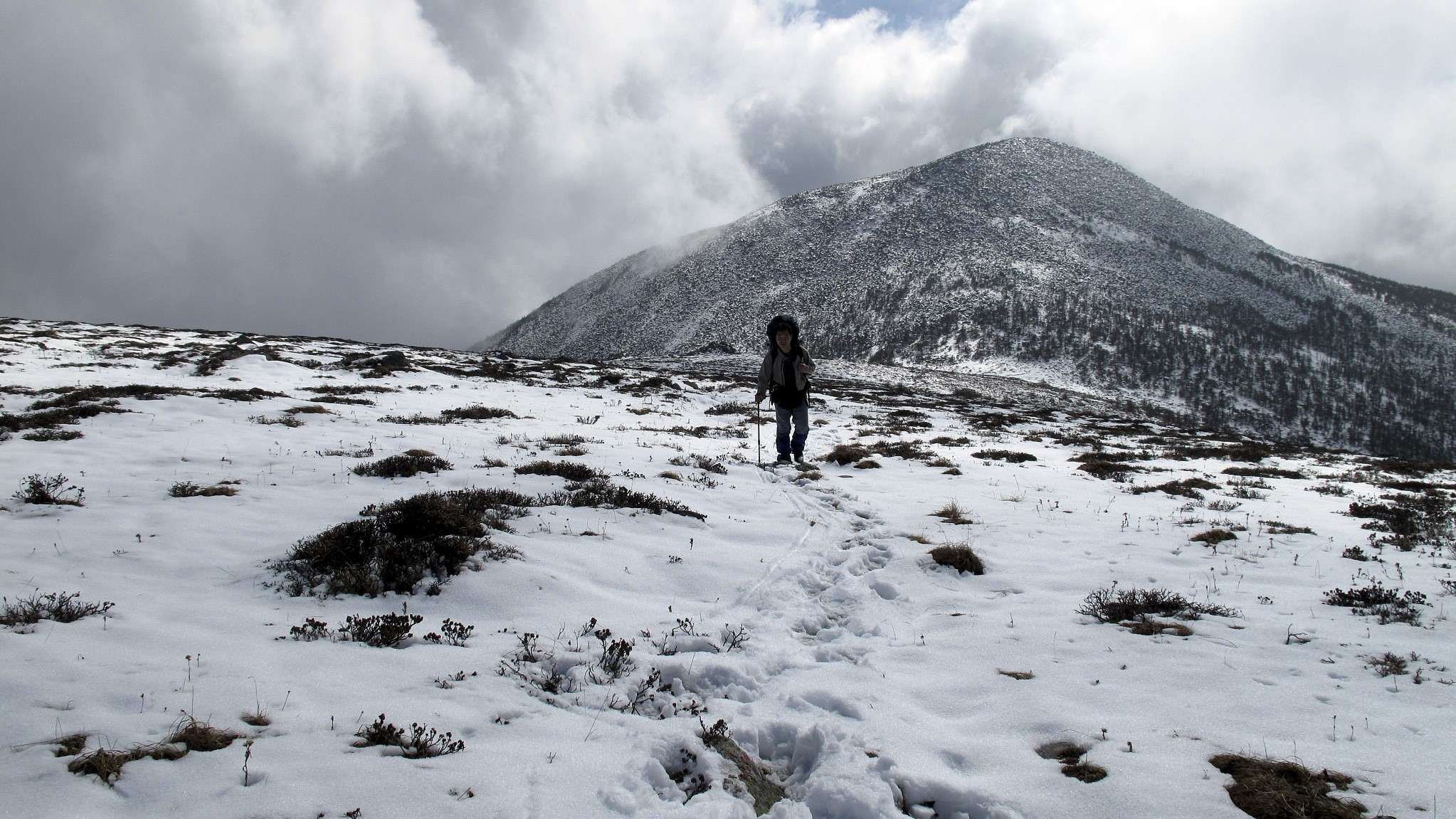
Experts warn that climbing in winter can be very dangerous. /VCG Photo
Experts warn that climbing in winter can be very dangerous. /VCG Photo
Lieutenant Harch started his climbing on July 27 and left his heavy gear behind to seek a quick finish, which is usual for climbers. However, he became stranded after a snowstorm struck the area. On July 30, the alarm was raised, and an operation to locate him got underway.
Towering 3,033 meters above sea level, Mount Aspiring is a popular destination for many climbers but also a dangerous site that has caused over 30 deaths in the past decade, according to Xinhua.