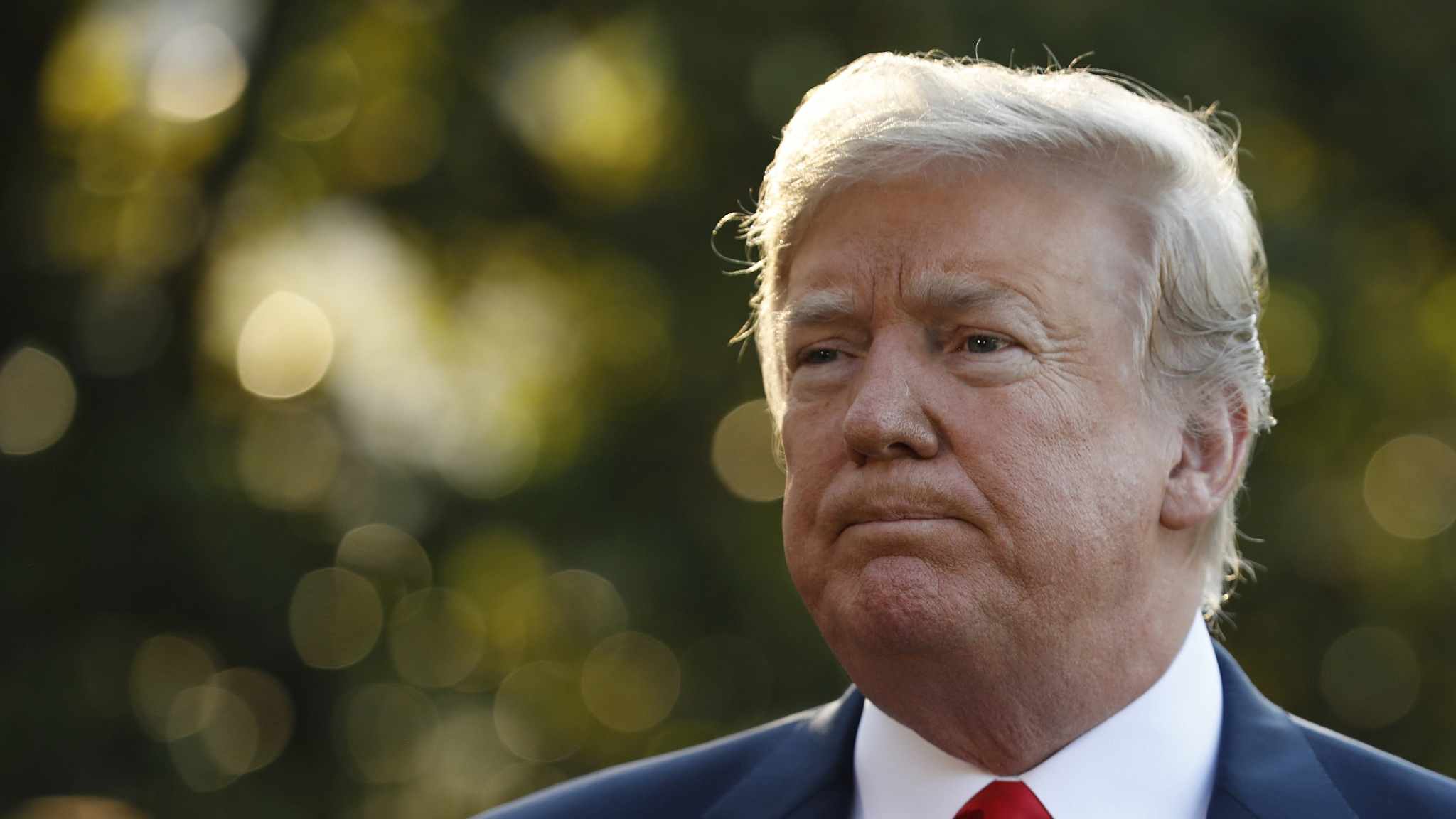
The US Senate pushed back against President Donald Trump’s trade policies on Wednesday by backing a non-binding motion to give Congress a role in his decisions to impose tariffs for national security reasons.
Senate backs non-binding tariff measure
Senators voted Wednesday calling on Trump to get congressional approval before imposing tariffs on other nations, as he put tariffs on steel and aluminum imported from Mexico, Canada and EU.
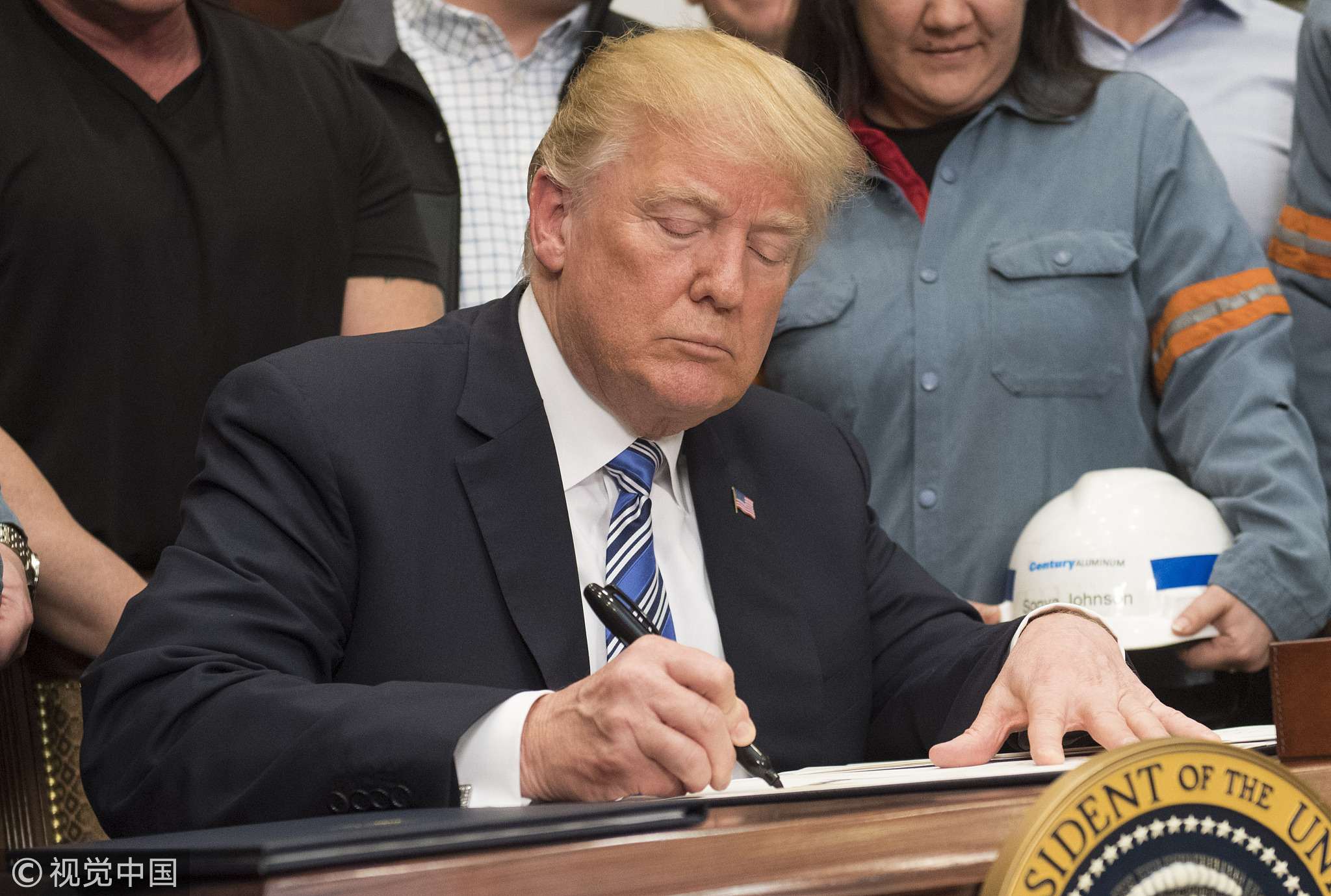
Trump signs a proclamation applying tariffs to steel and aluminum imports, in the Roosevelt Room at the White House, March 8, 2018. /VCG Photo
Trump signs a proclamation applying tariffs to steel and aluminum imports, in the Roosevelt Room at the White House, March 8, 2018. /VCG Photo
The vote was 88-11 in favor of the measure, part of an effort led by some of Trump's fellow Republicans who support free trade to resist the president's escalating effort to address what he sees as unfair foreign trade.
Non-binding but rare
Reports said that it is rare for Republicans to take even the mildest of formal steps in opposition to Trump.
The resolution is non-binding, meaning trade deal negotiators can ignore the Senate’s guidance, according to reports.
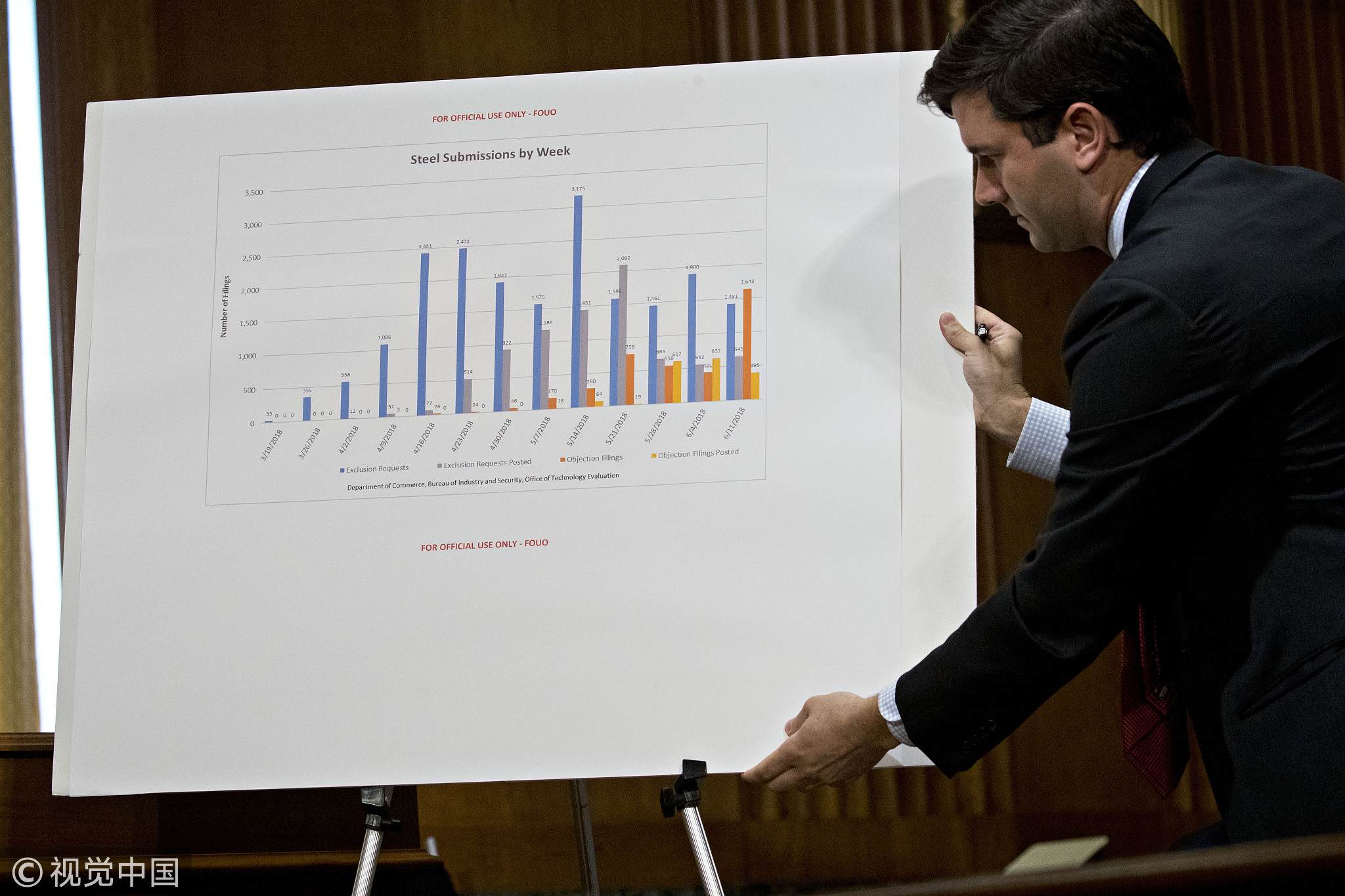
File photo of companies seeking steel tariff exclusion requests /VCG Photo
File photo of companies seeking steel tariff exclusion requests /VCG Photo
The vote demonstrates the unhappiness of most congressional Republicans, who continue to favor free trade, with Trump’s protectionist tactics, the Toronto Star said.
Rebuke of Trump's abuse of trade authority
The vote sends a message to the White House about how frustrated senators are over Trump's disruptive moves on tariffs, according to CNN.
Future efforts to pass enforceable legislation likely face an uphill battle over Trump's objections, CNN added.
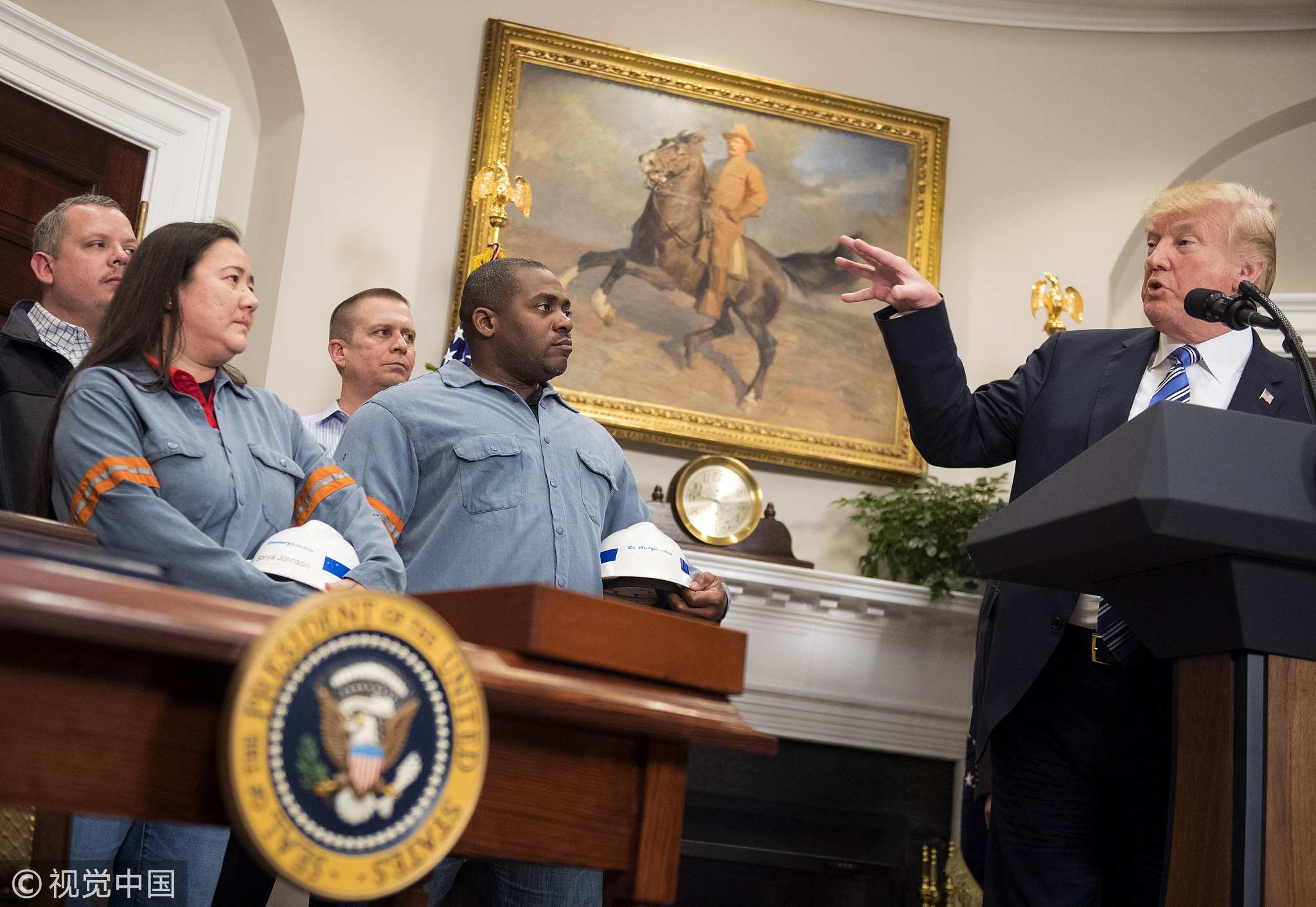
Trump speaks alongside steel and aluminum works prior to signing a proclamation applying tariffs to steel and aluminum imports, in the Roosevelt Room at the White House, March 8, 2018. /VCG Photo
Trump speaks alongside steel and aluminum works prior to signing a proclamation applying tariffs to steel and aluminum imports, in the Roosevelt Room at the White House, March 8, 2018. /VCG Photo
"Let's be clear, this is a rebuke of the President's abuse of trade authority," Senator Jeff Flake, an Arizona Republican and a frequent and vocal critic of Trump's policies said during an interview.
Speak out against Trump's policies
The voters, who are in favor of free trade, worry that trade disputes with China, as well as with allies like western European nations and Canada, could damage the US economy by harming US employers and raising prices for consumers.
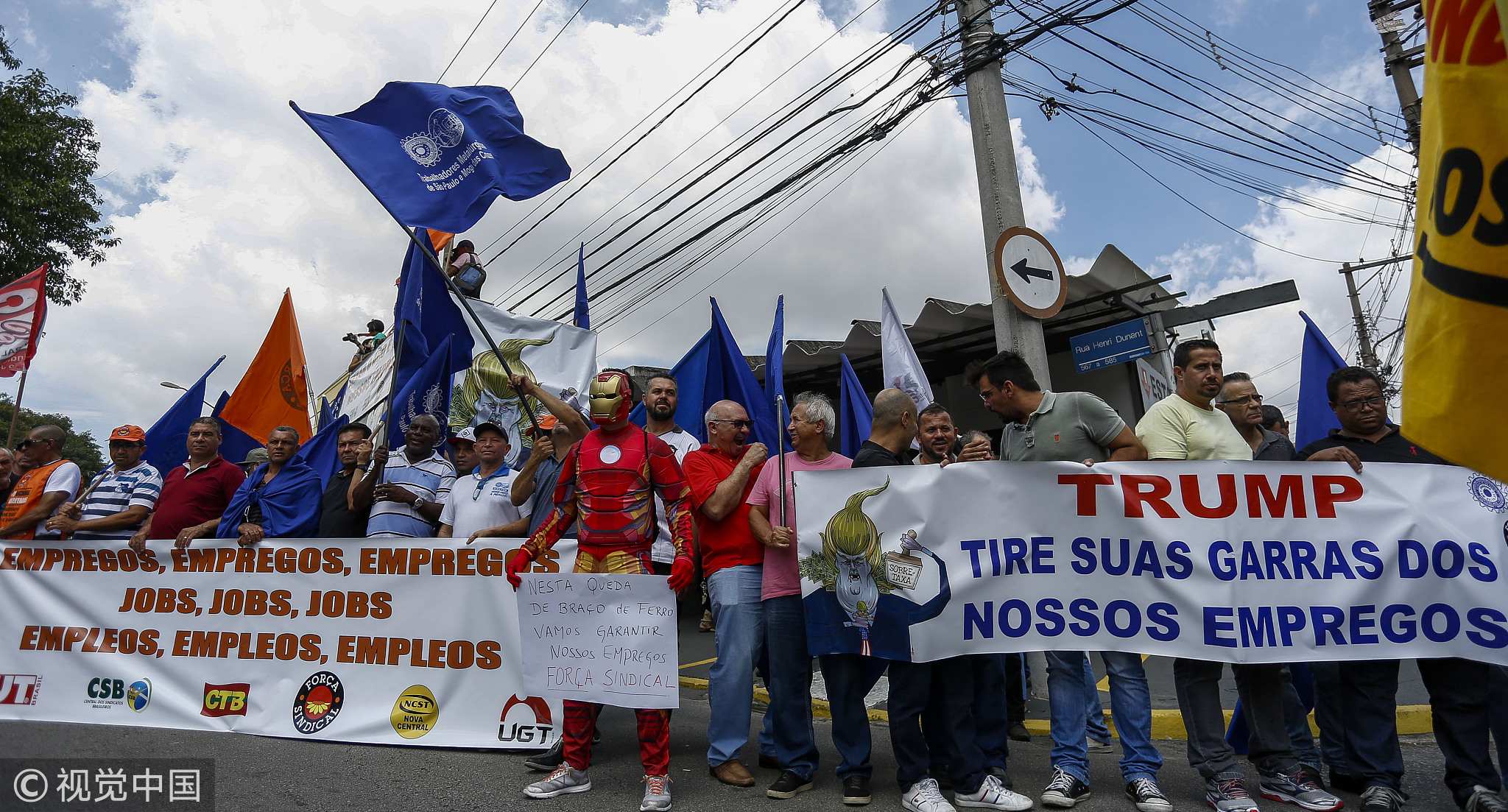
Members of trade unions hold a protest against Trump's import surcharge on Brazilian steel and in defense of their employment, outside the US Consulate in Sao Paulo, Brazil, March 5, 2018. /VCG Photo
Members of trade unions hold a protest against Trump's import surcharge on Brazilian steel and in defense of their employment, outside the US Consulate in Sao Paulo, Brazil, March 5, 2018. /VCG Photo
Republicans, who have majorities in both the Senate and House of Representatives, have backed almost all of Trump's initiatives since he became president in January 2017, according to Reuters.
Among the republicans, some lawmakers have spoken out against Trump's policies on trade and in other areas, Reuters added.
'Baby step' to push for binding vote
However, the lawmakers have not used tactics such as withholding votes for his nominees as a way of influencing the White House, reports said.
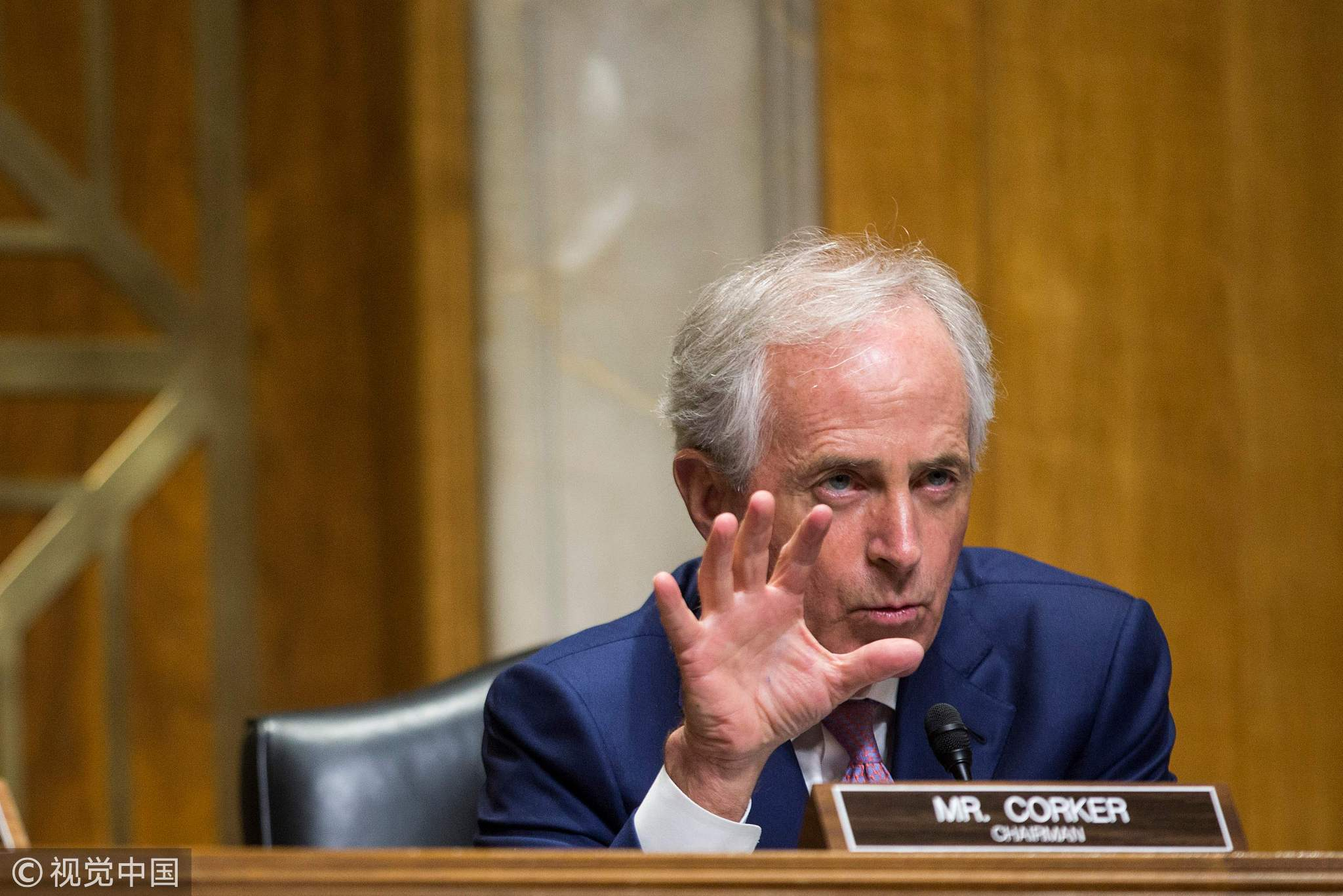
File photo of Republican Senators Bob Corker /VCG Photo
File photo of Republican Senators Bob Corker /VCG Photo
Speaking about Wednesday's vote, the measure's main sponsors - Republican Senators Bob Corker, Jeff Flake and Pat Toomey - said they considered the action a "test vote" on the issue.
Corker acknowledged that the vote was a "baby step" but said he would continue to push for a binding vote and was "hopeful" that one would be scheduled in the near future.

 ["china"]