
World
14:35, 29-Jun-2018
Japan’s forced sterilization victims will receive redress from government
Updated
14:14, 02-Jul-2018
 ["other"]
Share







Copied
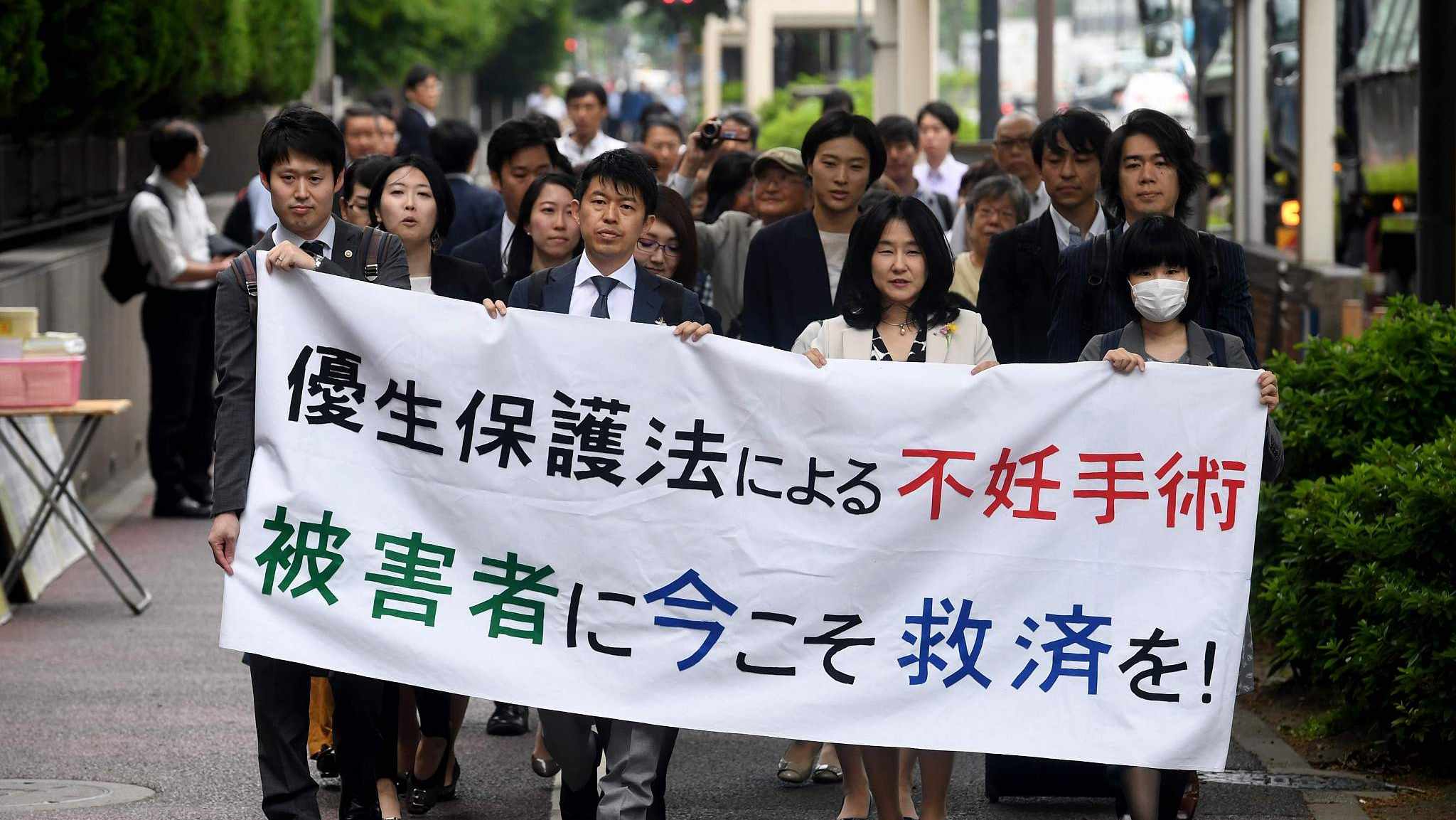
After a series of lawsuits filed in the last six months, Japan’s government is breaking with previous statements, announcing Thursday it will provide relief measures to men and women forced to undergo sterilization under a past eugenics law, according to the Japan Times, citing party sources.
The move comes after three more people – a Hokkaido couple and a man from Kumamoto Prefecture – filed lawsuits on Thursday. The two cases bring the total number of plaintiffs in sterilization lawsuits against the state to seven.
According to the latest complaint, the Hokkaido woman, now 75, says she became pregnant in 1981 and later underwent a coerced abortion and was sterilized in June the same year. Now 37 years later, she says she still regrets the procedures, writing “the surgeries robbed us of our long-awaited opportunity to have a child as well as the right to decide whether or not to have one.”
The woman has a moderate intellectual disability. Her husband, now 81, recounts how a relative had told his wife, “you’ll never be able to give birth to children nor raise them because you are mentally deficient.”
The man from Kumamoto Prefecture, 73-year-old Kazumi Watanabe, didn’t even know he had been sterilized until he realized he was different from his classmates. His parents later told him that he underwent an orchidectomy – a procedure where one or both of the testicles are removed.
Watanabe had osteoarthritis as a child – a common form of arthritis that affects a person’s joints.
Both stories are examples of over 25,000 cases of people being sterilized for perceived intellectual disabilities, mental illness or hereditary diseases, under Japan’s Eugenic Protection Law, which authorized “preventing the birth of inferior offspring.” Of the quarter-million people, about 16,500 were cases of people forcefully deprived of the ability to have children.
Under the law, individuals diagnosed with mental or physical handicaps could be sterilized without their consent, with the approval of committees appointed by local governments.
Though officially ended in 1996, the government has not apologized or paid compensation for its eugenics program, arguing that the program was legal at the time.
Originally coined by Francis Galton in 1883, the concept embraces genetic purity. Systematic eugenics programs were adopted by a variety of countries including Sweden, the United States and, most notoriously, Nazi Germany.
Discussion of specific compensation measures for Japanese victims could start as early as July, reports the Japan Times, citing sources.
(Top Photo: Lawyers and supporters of victims of forced sterilization under a now-defunct eugenics law, carry a banner saying "Sterilization under the eugenics law. Relief measures for the victims required now!" entering the Tokyo District Court in Tokyo on May 17, 2018. / VCG Photo)