
Opinions
18:13, 31-Jul-2018
Opinion: What India hopes to achieve through the BRICS cooperation mechanism
Updated
18:11, 03-Aug-2018
 ["china"]
Share







Copied
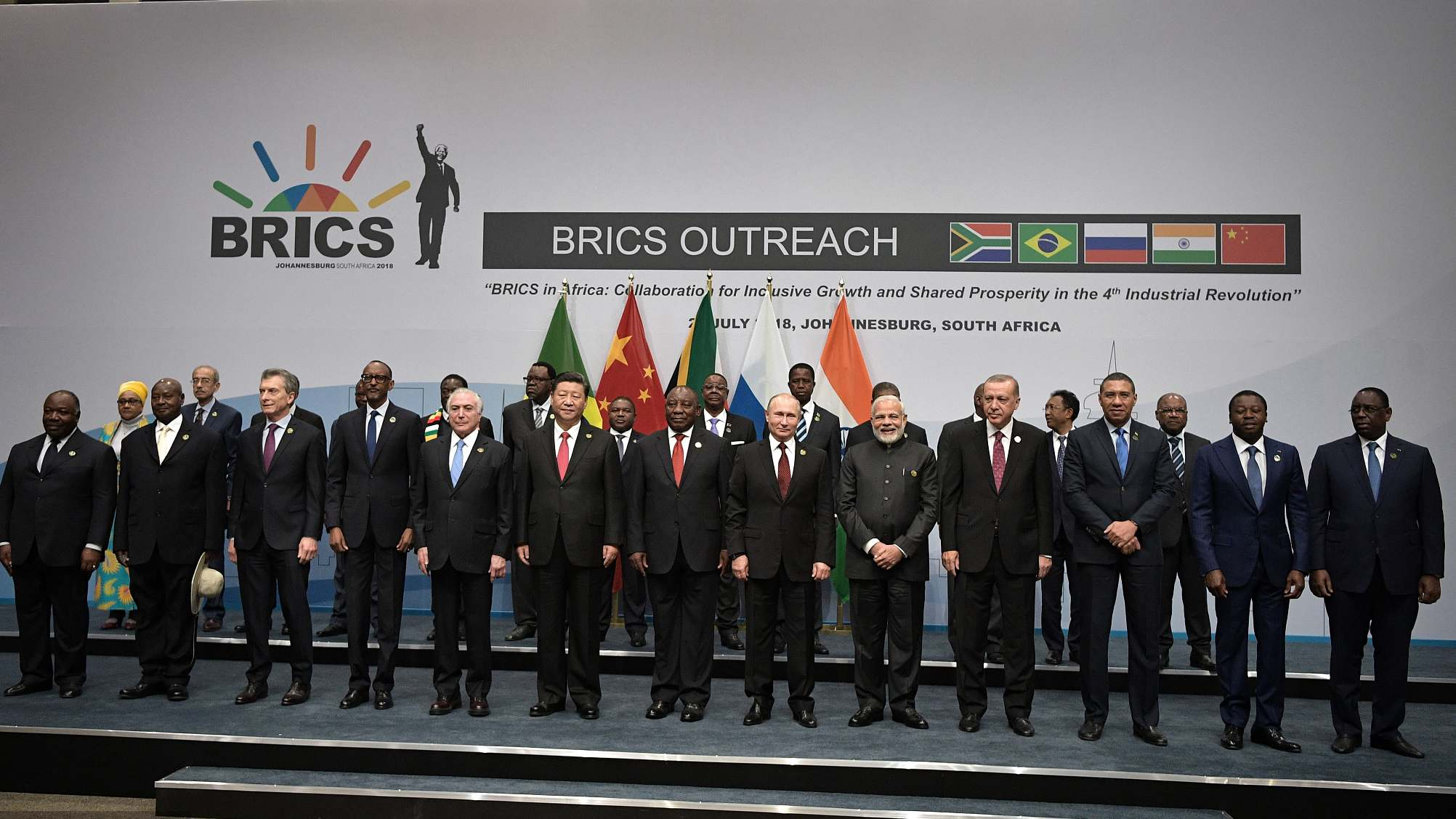
Editor's note: Wang Haixia is an assistant research fellow at the Institute of South and Southeast Asia and Oceania Studies under the China Institutes of Contemporary International Relations.
Themed “BRICS in Africa: Inclusive Growth and Shared Prosperity in the 4th Industrial Revolution,” the 10th BRICS summit was held from July 25 to 27, 2018, in Johannesburg, South Africa, providing a platform for BRICS countries to expand their cooperation in Africa and seize the opportunities created by the 4th Industrial Revolution. India, as an emerging power and the second largest economy in the BRICS mechanism, has attracted much attention to its views on and expectations for BRICS.
India attaches much importance to the role of the BRICS mechanism, considering it as a critical platform for expressing its expectations, promoting cooperation with other countries, and enhancing its status as a major country. In contrast to the insufficient attention that India gets within the G20 framework, under the BRICS mechanism, India has a much bigger say.
Indian Prime Minister Narendra Modi emphasized on many occasions the significance of the BRICS mechanism, expressing India’s intention to lay great emphasis on and actively participate in the mechanism. In 2014, when he attended the BRICS summit for the first time, he pointed out that the concept of “BRICS” is visionary, and that the mechanism is unique in the field of international cooperation. In 2016, he said in the summit that BRICS is an important voice in the international discourse.
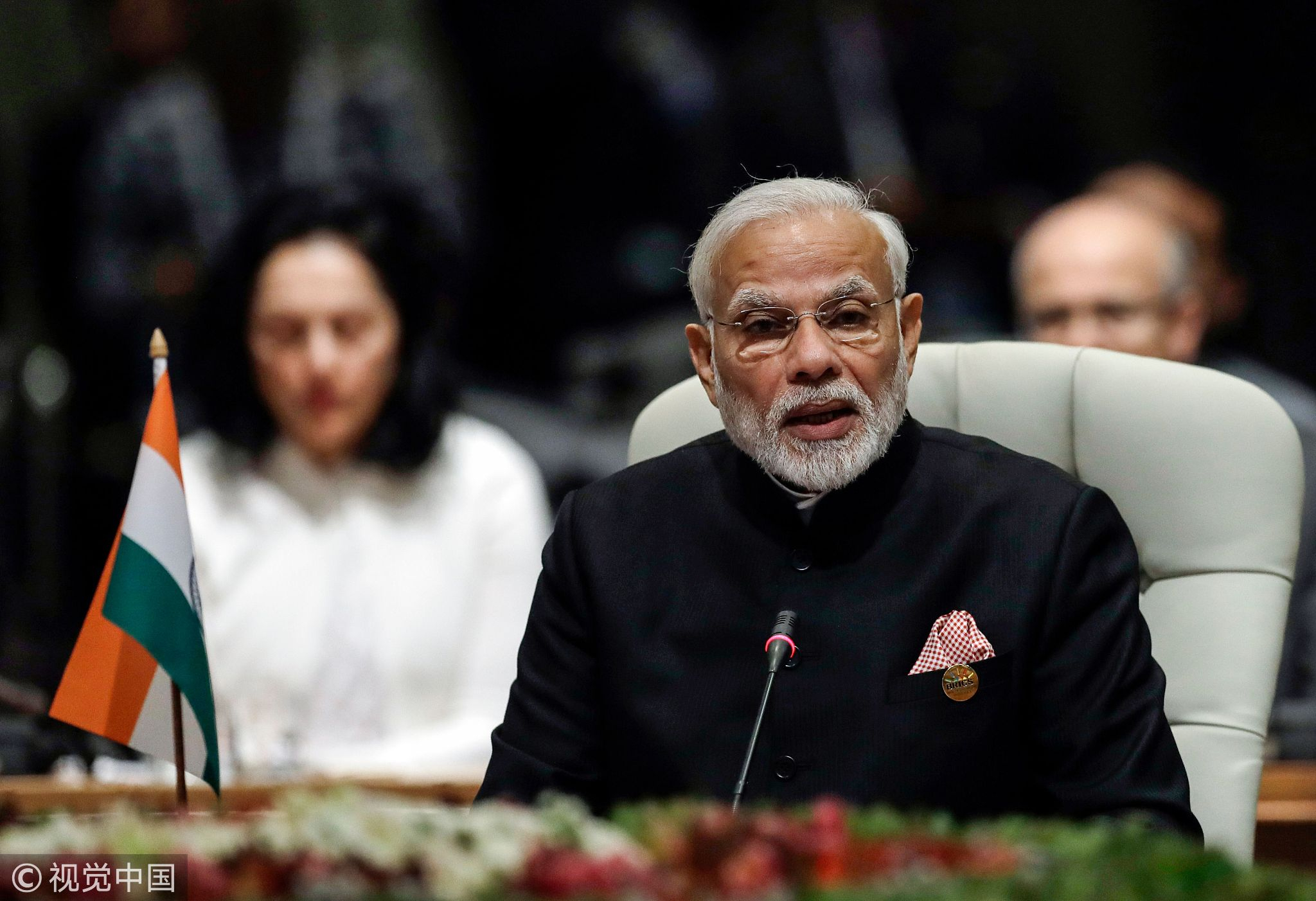
Indian Prime Minister Narendra Modi speaks during the 10th BRICS summit at the Sandton Convention Center in Johannesburg, South Africa, on July 26, 2018./VCG Photo
Indian Prime Minister Narendra Modi speaks during the 10th BRICS summit at the Sandton Convention Center in Johannesburg, South Africa, on July 26, 2018./VCG Photo
India entered the summit with four expectations:
First, stand against trade protectionism. This summit was held against the backdrop of unilateral measures taken by US President Donald Trump to increase tariffs and consequently wage trade wars. It is, therefore, a common aspiration of BRICS countries to stand against trade protectionism and to counter it. Being an important trading partner and export market for India, the US is fueling the risks of depreciation of the rupee, India’s currency, already under pressure with an oil price increase, through the increased tariff that it now levies on imported aluminum and steel products.
Second, promote India-Africa cooperation. In recent years, India has worked with Japan to introduce the “Asia-Africa Growth Corridor” to improve its relations with Africa and to facilitate international economic cooperation. With BRICS cooperation in Africa as its theme, the summit aligned with India's desire to further develop economic and trade partnership with Africa and serve as a channel that connects India and Africa.
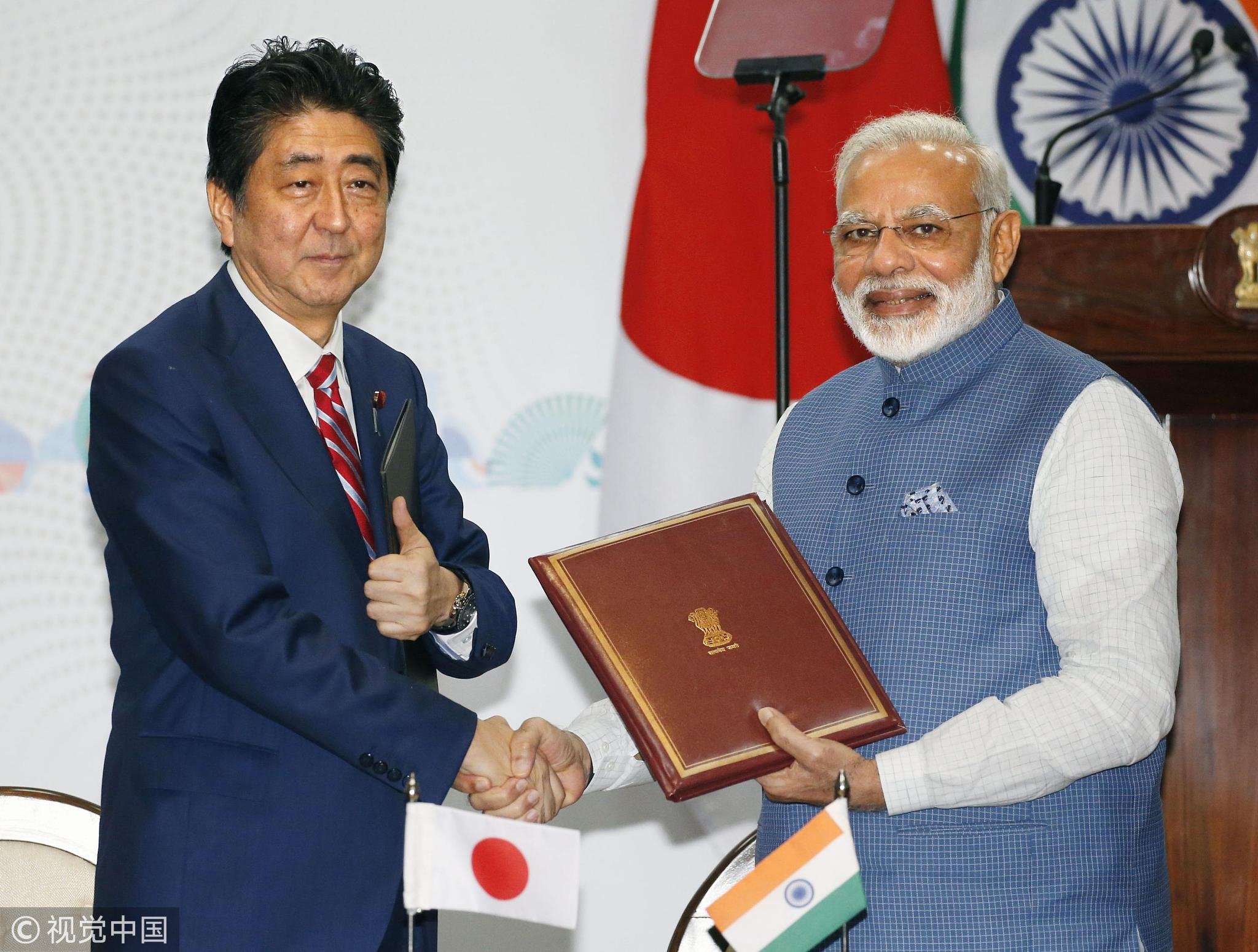
Japanese Prime Minister Shinzo Abe (L) and Indian Prime Minister Narendra Modi shake hands during a news conference in Gandhinagar, western India, on Sept. 14, 2017. /VCG Photo
Japanese Prime Minister Shinzo Abe (L) and Indian Prime Minister Narendra Modi shake hands during a news conference in Gandhinagar, western India, on Sept. 14, 2017. /VCG Photo
Third, tap into the potential of the outcomes of the 4th Industrial Revolution to boost development. India is in a critical phase of economic restructuring, and hence is focusing on seizing the opportunities and enjoying the dividends of the new Industrial Revolution through international cooperation.
Fourth, promote counter-terrorism cooperation. Mr. Modi hopes to drive the formulation of a BRICS Counter-Terrorism Strategy, which coordinates actions in money-laundering, terrorism financing, cyber-security, and de-radicalization. India is also actively pushing for the establishment of a BRICS rating agency, in an effort to break the monopoly of the three international credit rating agencies.
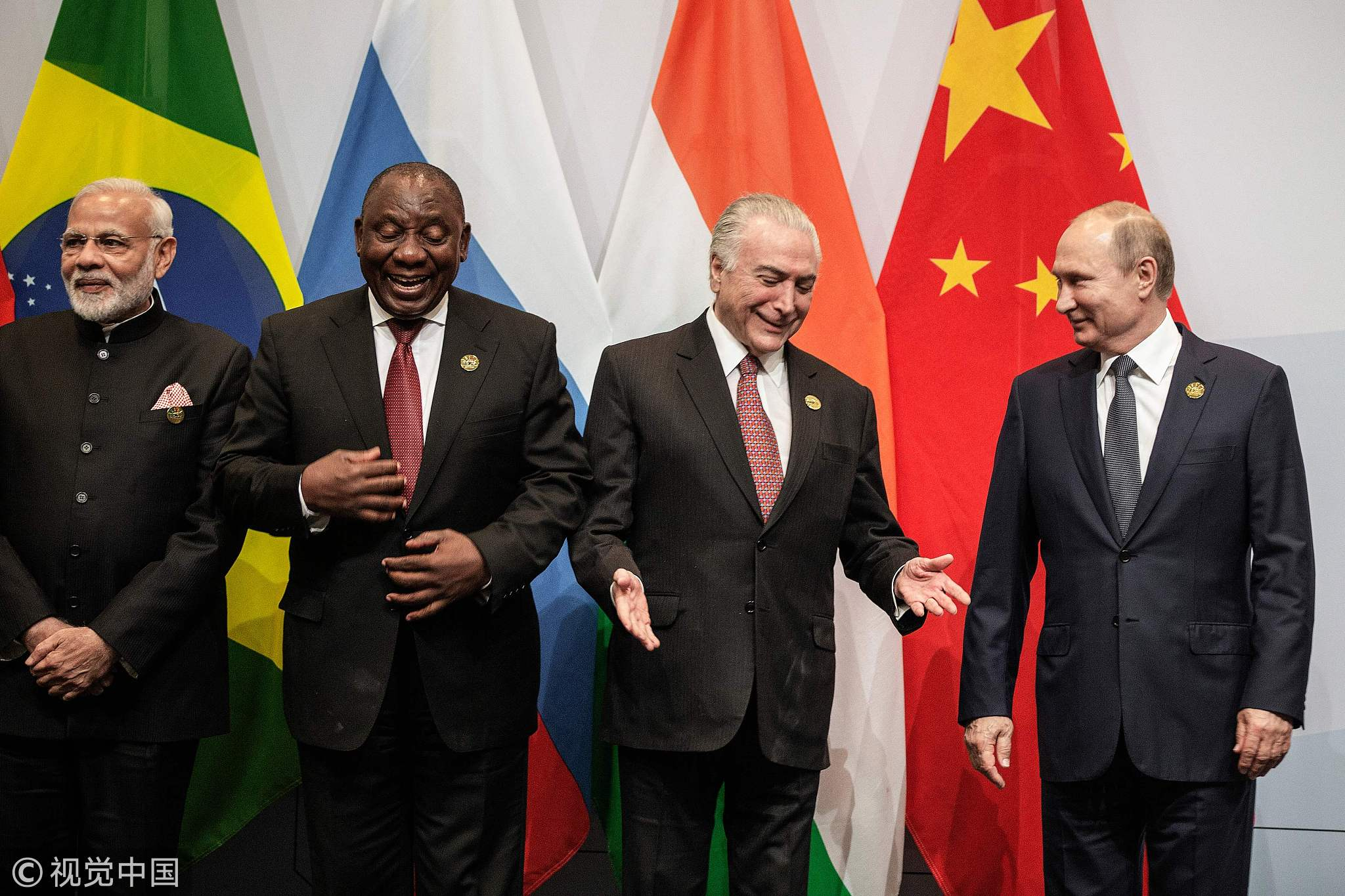
Indian Prime Minister Narendra Modi, South African President Cyril Ramaphosa, Brazilian President Michel Temer and Russian President Vladimir Putin react as they arrive to pose for a group picture during the 10th BRICS summit at the Sandton Convention Center in Johannesburg, South Africa, July 26, 2018. /VCG Photo
Indian Prime Minister Narendra Modi, South African President Cyril Ramaphosa, Brazilian President Michel Temer and Russian President Vladimir Putin react as they arrive to pose for a group picture during the 10th BRICS summit at the Sandton Convention Center in Johannesburg, South Africa, July 26, 2018. /VCG Photo
Though India has great expectations for the BRICS mechanism, the mechanism itself is still confronted with problems and challenges, which, to some extent, prevent it from reaching its full potential.
BRICS countries have different development levels, economic structures and pursuits, which could limit potential outcomes of their pragmatic cooperation. Compared to the last summit, the tariff policy of Mr. Trump has become a unifying force for BRICS countries, as the policy affects them all.
However, the difficulties in bilateral relations, to a certain extent, have had negative bearings on the development of multilateral relations. The border issues and the lack of mutual trust between China and India affect their cooperation on multilateral platforms. And India is also wary of the growing influence of China in South Asia.