
Business
20:46, 27-Jul-2018
Yangtze Delta Region uses scientific data to create green home
Updated
20:05, 30-Jul-2018
 ["china"]
Share







Copied
03:27
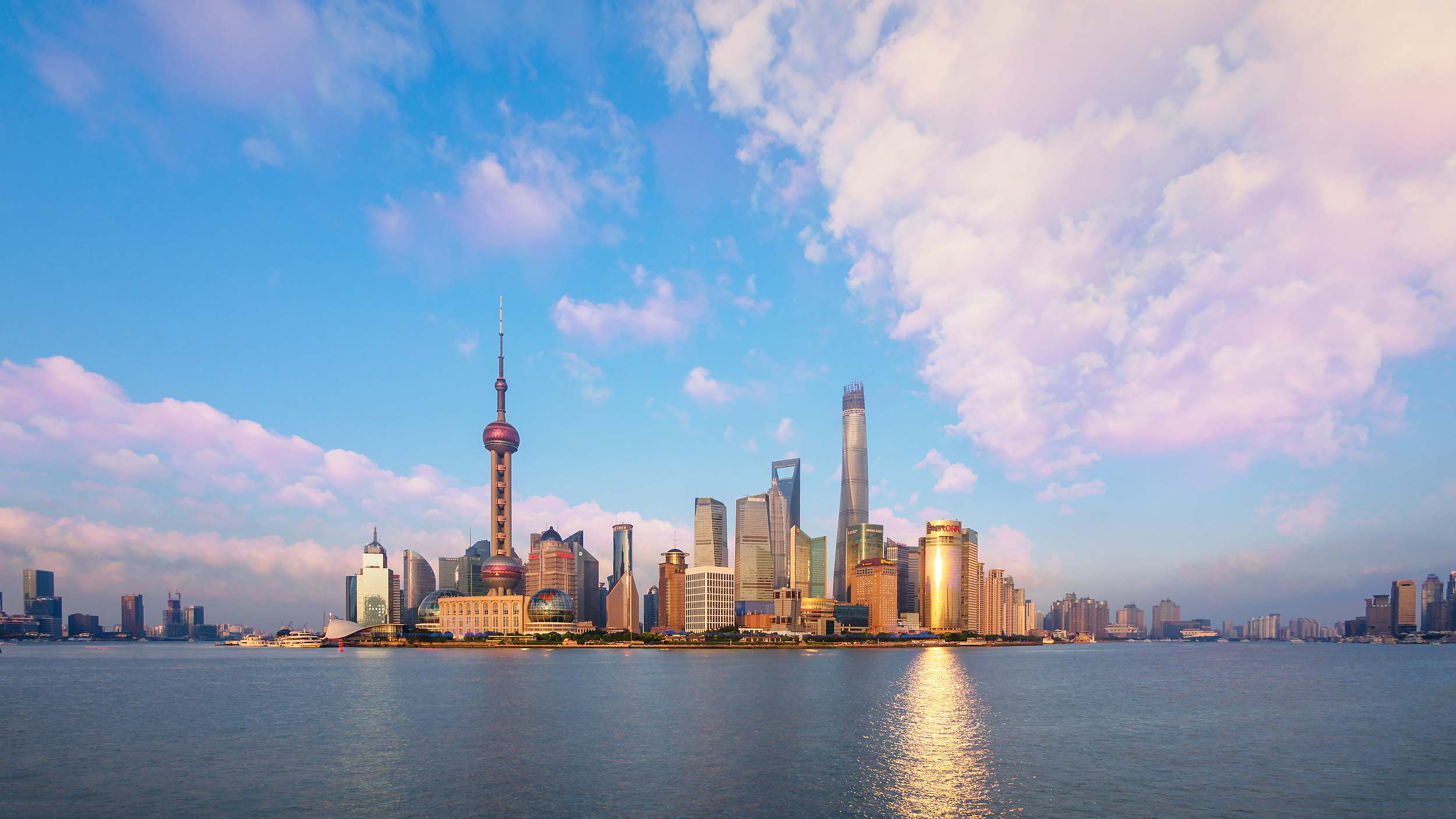
Chinese authorities are reporting a significant improvement in air quality in the major economic centers of the Yangtze River Delta Region and Shanghai.
A new report from the Shanghai Environmental Monitoring Center said that thanks to a "joint prevention and control of air pollution" mechanism, the average concentration of PM2.5 pollution particles in the Yangtze River Delta Region decreased by 34 percent from 67 micrograms per cubic meter in 2013 to 44 in 2017.
In addition, the average concentration of PM2.5 in Shanghai in 2017 was even below 40 micrograms per cubic meter.
Zhejiang, Jiangsu and Anhui provinces and Shanghai jointly established an inter-regional pollution prevention coordination mechanism after heavy air pollution persisted for nine days in the Yangtze River Delta at the end of 2013.
A national laboratory specializing in studying the causes of atmospheric composite pollution was also established in Shanghai in 2014. It covers port terminals, factories, and motor vehicle inspection centers.
“We need to clear things up using scientific data. Only then can we make policies to improve the situation,” said Li Li from Shanghai Academy of Environmental Sciences.
VCG Photo
VCG Photo
The three provinces and Shanghai have established an inter-regional vehicle environmental protection information service platform to impose restrictions on high-polluting vehicles. A total of 3.22 million yellow-label vehicles and old vehicles have been eliminated so far.
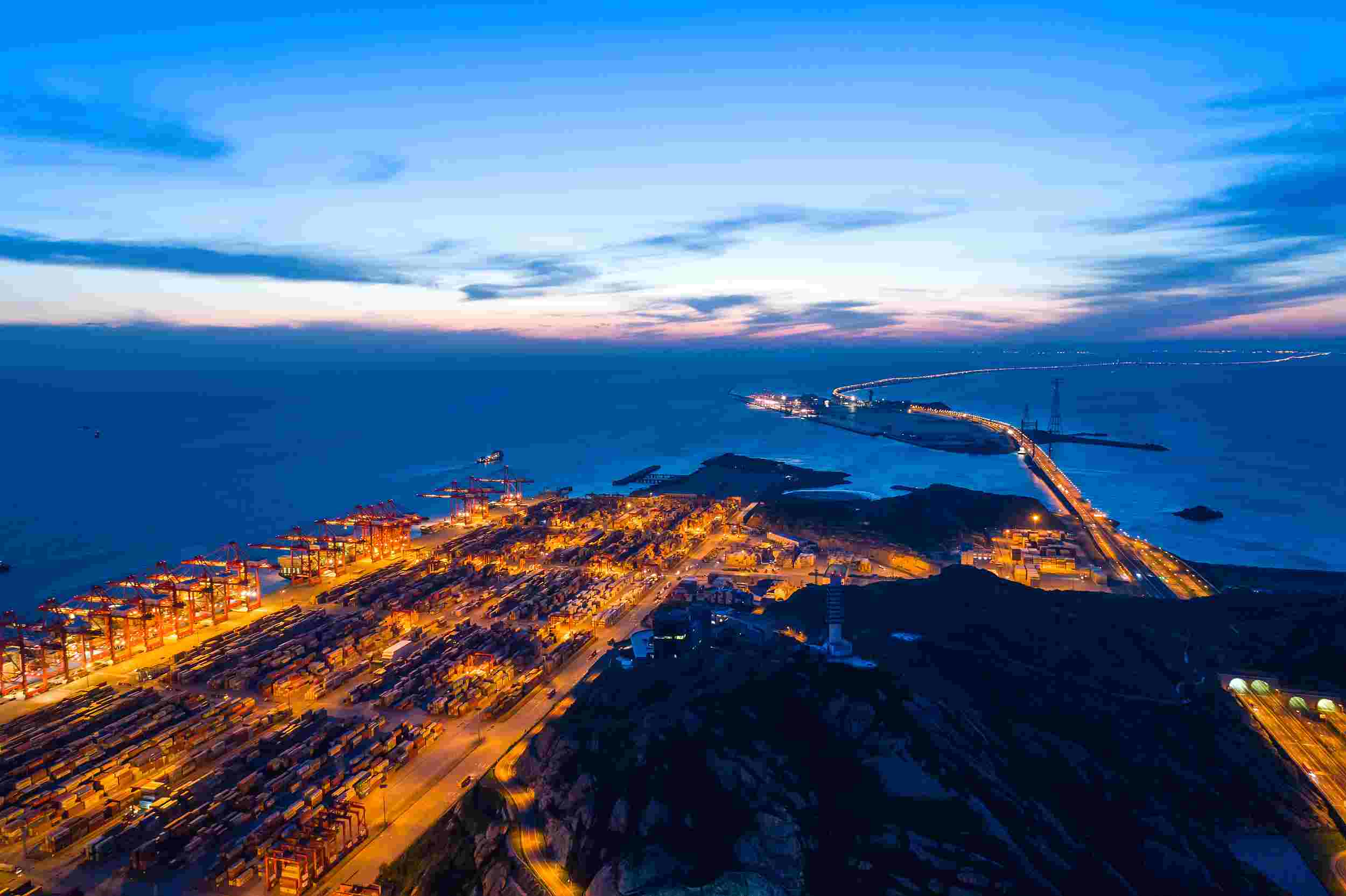
Aside from motor vehicles emissions, another source of air pollution is from ships. Vessel emissions are the main source of PM2.5 pollutants as the Yangtze River Delta is the busiest shipping artery in China.
At the end of 2015, a “Joint Prevention and Control Zone” in the waters of the Yangtze River Delta was demarcated, requiring all ships entering the zone to use low-sulfur fuel or power supplied from shore.
“The shore-based power supply over 24 hours is about 20,000 KW hours, which is the equivalent of burning some 10 tons of oil on board,” Chen Yong from Shanghai Port Group told CGTN.
Besides, cooperation is also taking place with weather forecasts.
Forecasters from the Yangtze River Delta consult on the air quality forecast for the region every day at 2 p.m. for the past four years.
“PM2.5 pollutants are not restricted to one city. They also cause pollution in nearby cities. The pollution situation needs to be monitored by professionals across the whole region,” said Fu Qingyan, chief engineer of Shanghai Environmental Monitoring Center.