
Asia Pacific
16:45, 02-Apr-2019
Kids with autism getting growing social exposure in China
Updated
13:24, 04-Apr-2019
 ["china"]
Share







Copied
02:42
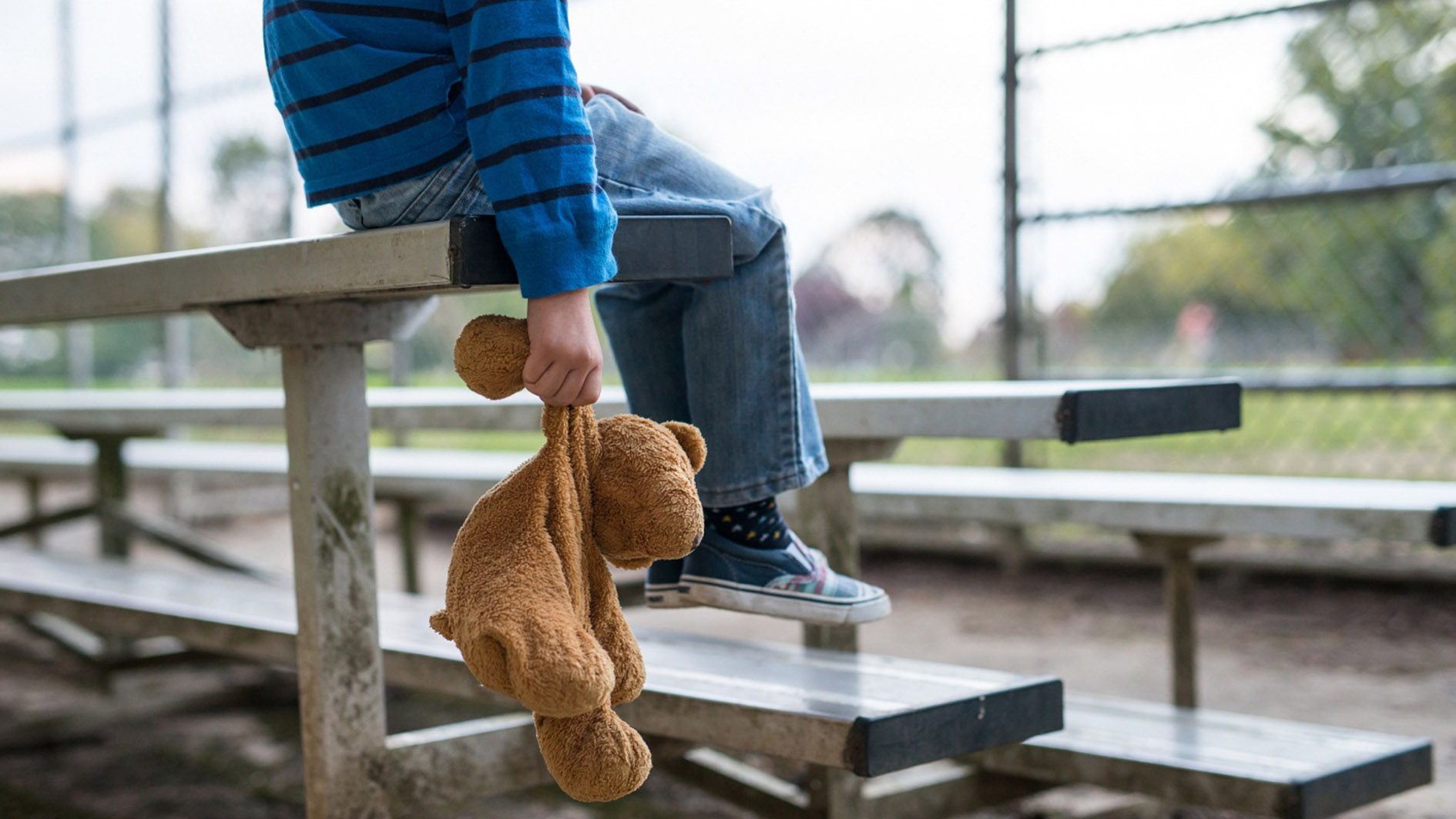
Many say the social stigma surrounding autism can be worse than the condition itself.
Autistic children seem to live in their own world and appear to be unbothered by their environment. They are sometimes referred to as "Children of the Stars" – a term popularized by a documentary of the same name. Yet, despite their limitations, many of them prove to be gifted in different areas.
“My son especially likes geography. He loves to travel and can recognize the national flags of all countries in the world,” said Zhang Yu, whose son, who had been diagnosed with autism at age 3, is now in middle school.
“My son loves painting. It gives him a lot of room to display his talents,” said Li Dongyan, whose autistic son had just turned 18.
According to China's Health Planning Commission, one out of 100 newborn babies may have autism. In the United States, the figure was close to 2 percent last year among children aged between 3 and 18. As parents get older, grown-ups with autism tend to be a challenge for most families.
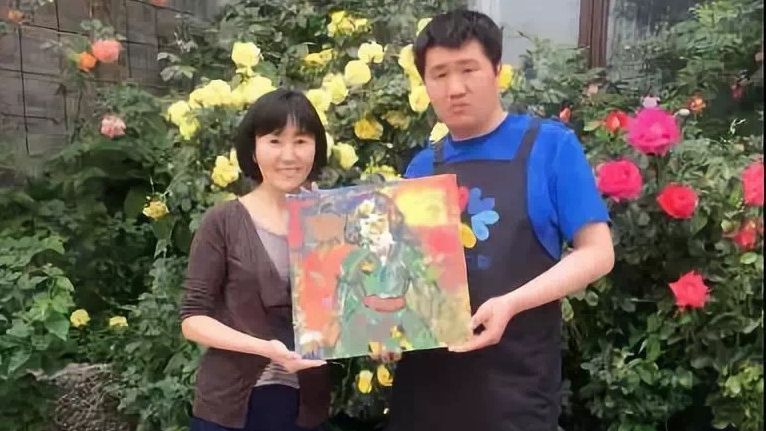
Zhou Jing with her son Duo Duo. /Photo courtesy of Zhou Jing
Zhou Jing with her son Duo Duo. /Photo courtesy of Zhou Jing
“The first three generations of Chinese who identify as autistic are currently over 20 years old. Most of them are still at home and have no employment because no company is willing to accept them,” said Zhou Jing, director of the Autistic Children Rehabilitation Fund at China Social Welfare Foundation.
As a parent to an autistic child, Zhou founded China's first social welfare organization on autism.
Besides taking care of her own child, for years she has been helping other autistic children, striving for more opportunities for them.
Autism had come to the awareness of most Chinese about 30 years ago. Since then, efforts to understand the condition and rehabilitate patients have continued to grow.
“I personally feel that society is caring more and more for autistic children, compared to when my son was young. For example, we only need to pay a small tuition fee for him to study painting,” said Li Dongyan.
Many therapeutic programs have been launched to provide training to autistic children and adults, in order to help them develop social skills.
Their artworks show that children with autism share the same, or even stronger, desires to express themselves and be a larger part of society. And a growing number of educators and medical professionals in China are helping them to adapt and realize their dreams.