
AI
14:50, 18-May-2018
Is artificial intelligence a threat to cyber security?
 ["china"]
Share







Copied
02:17
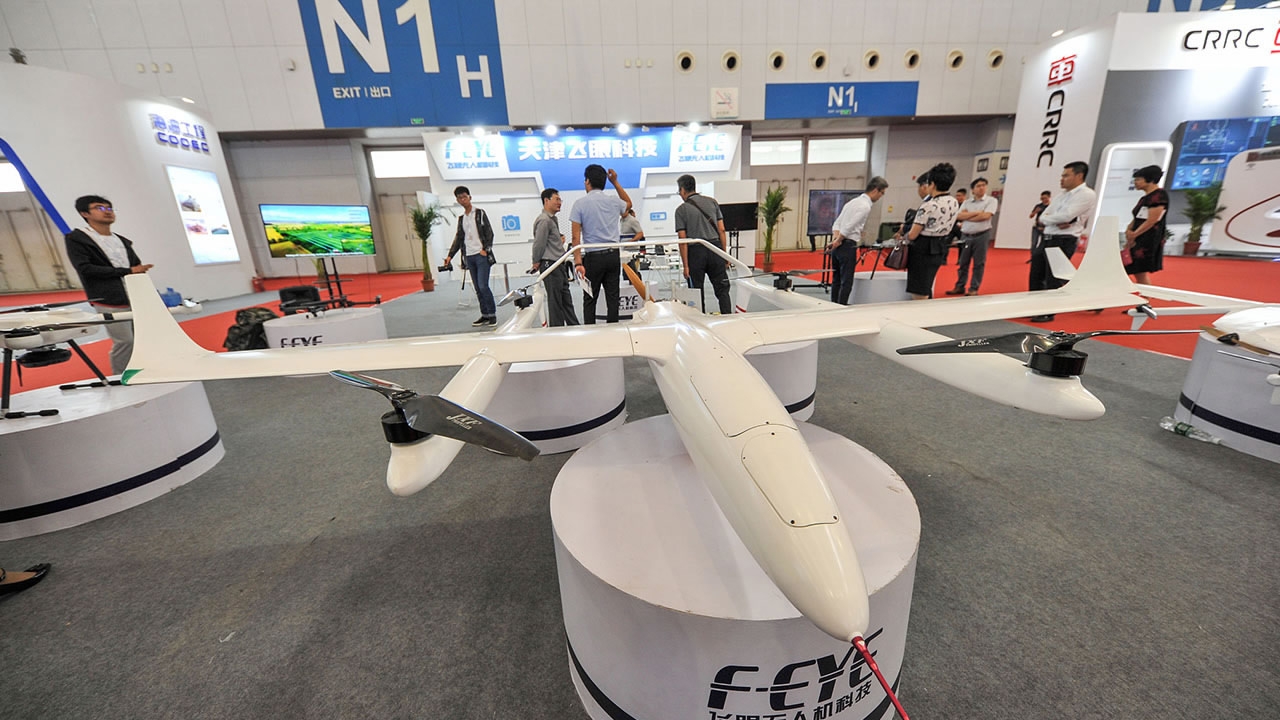
Tech companies and organizations in China gathered in Tianjin to showcase their cutting-edge technology in artificial intelligence.
While new innovations were on display, many discussions were also taking place among researchers, entrepreneurs, and policymakers, including over matters of security.
Some conversations addressed a controversial quote from Robin Li, the CEO of China's biggest search engine Baidu, who said in March that Chinese net users are okay with trading personal data for convenience.
But are Chinese people really willing to make such a sacrifice? Here were some comments from participants at the 2nd World Intelligence Conference (WIC) in Tianjin:
"It is not a matter of whether I am willing... Sometimes I have to trade my privacy for convenience."
"New technology may intrude into your daily life and privacy, and I am not used to that."
"A lot of enterprises do not realize the importance of protecting citizen's privacy rights. Their techniques are fine, but they need to improve their sense of responsibility."
Cyber security was not the only a concern among the discussions.
In April, nearly five hundred drones drifted away from designated locations during a sky performance in the ancient city of Xi'an, which made the pattern unrecognizable. The developer company Ehang responded that the situation was beyond its control and the signals were quote "targeted jammed".
Some said Ehang's competitor in the market jammed the GPS to ruin the company's public image.
"Even the drone lost control. The machine will stay still in the middle of the sky. It won't fall off," said Wei Huanyu, a DJI drone vendor.
China aimed to become a major center and world leader for AI innovation by 2030. Wan Gang, President of China Association for Science and Technology called Chinese enterprise to further strengthen their research and core technology development skills. Wan made the remarks at the opening ceremony of WIC.
"With the economic demand from society growing, AI technology has been covering many industries. Creating a platform with a fine industrial ecology is crucial," Wan said.
When regulations fall behind the developing pace of technology, big enterprises usually have the ability to establish the rules within the industry. It is China’s tech giants’ call to decide how much social responsibility they would like to take, while perhaps giving up a little profit.