
Tech & Sci
13:35, 10-May-2018
Study: Marine Protected Areas can actually help coral reef flourish
 ["europe"]
Share







Copied
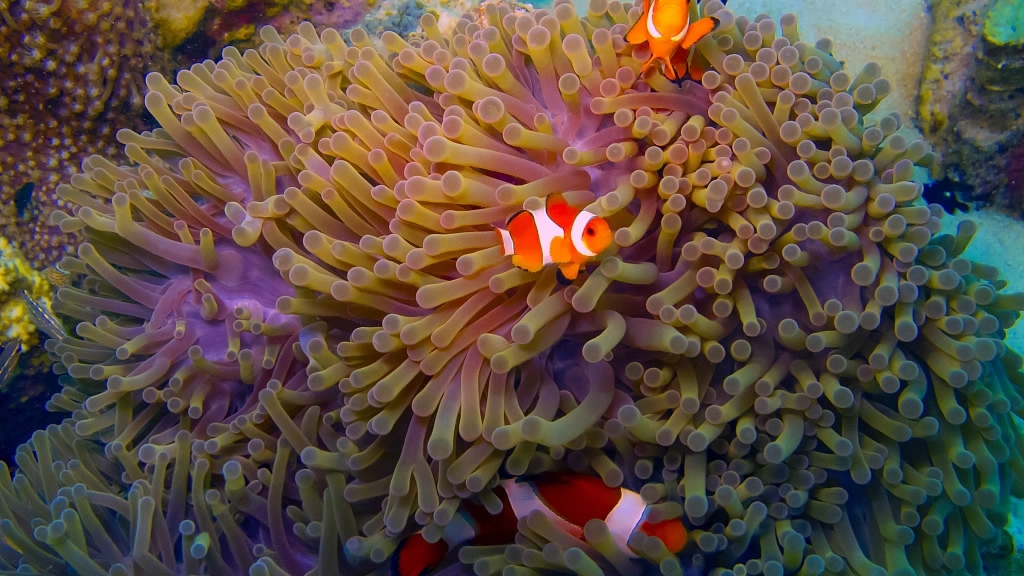
In the last few years, researchers doubted the effectiveness of Marine Protected Areas (MPAs) in saving ecologically sensitive coral reefs. However, a new study claims such protected areas can indeed help coral reefs flourish.
The study covering a 700-km stretch of the eastern Caribbean claimed local fisheries management resulted in a 62 percent increase in the density of young corals. The juvenile corals are known for their ability to boost the marine ecosystem to recover from significant impacts like hurricanes and bleaching.
“MPAs can help coral reefs, but studies to the contrary just weren’t measuring the right things at the right scales,” maintained Robert Steneck, lead author of the study. Steneck spent 40-years of his career studying coral reefs.
“The idea behind MPAs is that, by reducing fishing pressure, you increase the number of seaweed-eating fish, and they decrease the amount of harmful seaweed, which makes it easier for baby corals to get started and thrive on the reef," he added.
“But coral reefs are complicated, and lots of other things can affect fish numbers, their ability to control the growth of algae and the ability of corals to take advantage of this.”
The study published in a journal, Science Advances, contradicts several scientific findings on the impact of MPA on the coral reef. Taking field measurements on coral reefs is time-consuming, so many researchers are forced to take shortcuts and use simple, widely available data to analyze how reefs respond to protection, explained co-author of the study Peter Mumby.
“While it sounds obvious, we show that our ability to detect the benefits of MPAs on corals improves dramatically when you take more detailed measurements,” he said. Globally, coral reefs are suffering massive damage due to unsustainable fishing practices and climate change.
One of the worst impacts of coral reef destruction is reported from the Coral Triangle, a marine region stretching across Indonesia, the Philippines, Malaysia, Papua New Guinea, the Solomon Islands and Timor Leste. The region houses more than 76 percent of the world’s coral species are facing massive destruction, World Wildlife Fund (WWF) claimed.
Governments from all the six countries in the Coral Triangle initiated more than 1,900 MPAs covering 200,881 square km through the village level traditional law to national legal frameworks. Steneck pointed out that there is no management panacea for any ecosystem, and especially not for coral reefs.
“Certainly, stresses on reef corals from climate and atmospheric changes are serious and beyond direct management control. However, we suggest that local management measures can bolster the recovery of corals after damaging events and, eventually, improve their overall condition,” he added.
[Top Image: Coral reef in Malaysia. /VCG Photo]